

The way properties are marketed has changed dramatically in the last decade. Buyers no longer rely solely on static photos, printed brochures, or brief in-person visits to evaluate a home. Instead, they expect immersive, interactive experiences that allow them to explore a property from anywhere in the world. Real estate virtual tour apps for showcasing properties in 3D have become an essential tool for agents, brokers, and property developers who want to remain competitive in a digital-first market.
TLDR: Real estate virtual tour apps enable agents to create immersive 3D property walkthroughs that buyers can access remotely. These tools increase engagement, expand market reach, and help properties sell faster by offering realistic spatial experiences. Leading platforms such as Matterport, Zillow 3D Home, and iStaging each offer unique strengths depending on budget and goals. Choosing the right solution requires balancing cost, quality, hardware requirements, and distribution options.
Today’s buyers make decisions quickly, and often before ever stepping foot inside a property. A detailed 3D experience bridges the gap between imagination and reality. It provides a trustworthy representation of space, layout, and flow—elements that flat photography simply cannot communicate.
Why 3D Virtual Tours Matter in Modern Real Estate
Traditional photos capture moments. 3D virtual tours capture space. That distinction is critical. A virtual experience allows prospective buyers to:
- Navigate rooms at their own pace
- Visualize dimensions and layout relationships
- Evaluate lighting and spatial flow
- Pre-qualify properties before scheduling a showing
For agents, this translates into more efficient showings and better-quality leads. Buyers who book in-person tours after exploring a 3D model are generally more serious and informed.
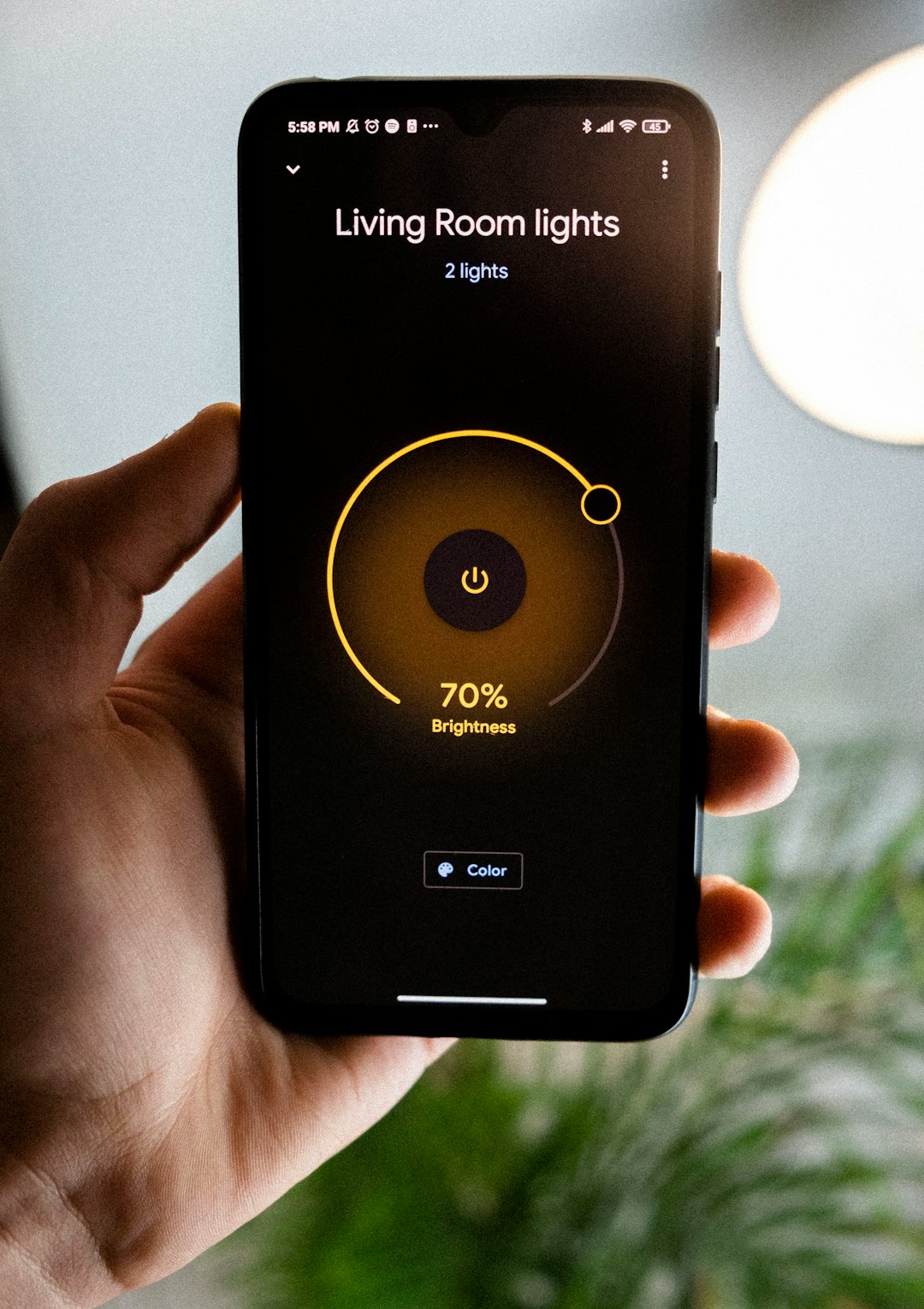
From a marketing perspective, 3D tours also increase listing engagement. Properties with immersive tours often receive more online views and longer browsing times. In competitive markets, this advantage can make the difference between a quick sale and a stagnant listing.
Core Features of Real Estate Virtual Tour Apps
While platforms vary in complexity and pricing, most professional-grade solutions share key capabilities:
- 360-degree panoramic capture
- Interactive floor plans
- Dollhouse or bird’s-eye view perspectives
- Measurement tools for walls and spaces
- Cloud hosting and shareable links
- VR headset compatibility
More advanced platforms integrate with CRM systems, IDX listings, and social media channels. Some also offer AI-powered enhancements such as automatic room labeling and object detection.
Benefits for Agents and Brokers
The business case for 3D virtual tours is compelling.
1. Expanded Reach
Remote buyers, out-of-state investors, and international clients can evaluate properties without travel. This dramatically broadens potential demand.
2. Faster Sales Cycles
By allowing buyers to explore thoroughly online, agents reduce redundant showings and focus on high-intent prospects.
3. Stronger Brand Positioning
Offering 3D tours signals professionalism and technological sophistication. In a crowded market, this builds trust and differentiates your listings.
4. Cost Efficiency
Although there is an upfront investment, virtual tours can reduce staging costs for some properties and minimize repeated on-site visits.
Leading Real Estate Virtual Tour Apps
Several platforms dominate the market due to reliability, quality, and ease of use. Below are some of the most widely adopted solutions.
1. Matterport
Often considered the industry standard, Matterport delivers high-quality 3D scans with detailed dollhouse views and precise measurements. It supports dedicated 3D cameras as well as certain smartphone workflows.
2. Zillow 3D Home
Zillow 3D Home is popular for agents focused on Zillow’s marketplace. It is mobile-friendly and cost-effective, though its depth and measurement capabilities are more limited compared to premium platforms.
3. iStaging
iStaging offers flexibility for both residential and commercial properties. Its solution supports VR experiences and virtual staging capabilities.
4. Kuula
Kuula specializes in creating and sharing 360-degree tours quickly. It is simple to use and suitable for agents seeking affordable solutions without highly technical setups.
Comparison Chart
| Platform | Best For | Hardware Needed | Measurement Tools | VR Support | Pricing Level |
|---|---|---|---|---|---|
| Matterport | High-end residential and commercial | Dedicated 3D camera or compatible smartphone | Advanced and precise | Yes | High |
| Zillow 3D Home | Zillow listings and budget users | Smartphone or 360 camera | Basic | Limited | Low |
| iStaging | VR and virtual staging integration | 360 camera or smartphone | Moderate | Yes | Medium |
| Kuula | Quick 360 tour publishing | 360 camera | Basic | Optional | Low to Medium |
Hardware Considerations
Choosing the right app is only part of the equation. Hardware plays a critical role in output quality.
Smartphone-based solutions offer convenience and low cost but may struggle in low light or large spaces.
Dedicated 360 cameras improve image consistency and professional appearance.
High-end 3D cameras provide superior depth mapping and measurement precision, making them ideal for luxury or commercial listings.
Agents must consider return on investment carefully. For high-volume or premium properties, the improved presentation often justifies higher equipment costs.
Best Practices for Creating Effective 3D Tours
Even the most advanced platform cannot compensate for poor preparation. To maximize impact:
- Stage the property before capturing images
- Ensure consistent lighting across rooms
- Declutter surfaces and remove personal items
- Open interior doors to improve flow perception
- Follow a logical navigation path
Additionally, explain how to use the tour. Some buyers are unfamiliar with interactive tools. Simple instructions can improve engagement.
Trust and Transparency
One of the most important advantages of 3D virtual tours is transparency. Because users can freely explore a property, there is less risk of disappointment during in-person visits. This fosters credibility between agent and client.
However, accuracy is essential. Avoid over-editing images or using enhancements that significantly alter reality. A serious, professional approach prioritizes honesty. Long-term reputation matters more than short-term visual appeal.
Integration with Marketing Channels
Modern virtual tour apps allow integration across:
- MLS listings
- Broker websites
- Email campaigns
- Social media platforms
- Digital advertising campaigns
The ability to embed tours seamlessly ensures buyers encounter immersive experiences at every stage of their property search.
Challenges and Limitations
Despite many advantages, virtual tours are not a complete replacement for physical showings. Limitations include:
- Initial learning curve for agents
- Equipment investment
- Internet bandwidth requirements
- Storage and hosting fees
Furthermore, tactile factors—such as materials, odors, or neighborhood ambiance—cannot be fully communicated digitally. Virtual tours are powerful screening tools, but final decisions typically still rely on in-person visits.
The Future of 3D Property Experiences
The evolution of real estate technology is moving toward greater immersion. Artificial intelligence is being integrated to auto-generate floor plans and highlight property features. Augmented reality may soon allow buyers to visualize renovations or furniture placement in real time.
As remote work and global mobility continue to shape purchasing behavior, the demand for immersive digital property showcases will likely grow. Agents who invest early in professional-grade tools position themselves for long-term competitiveness.
Conclusion
Real estate virtual tour apps for showcasing properties in 3D are no longer optional—they are strategic assets. They empower buyers with transparency, streamline agent workflows, and expand market reach beyond geographic limitations. By selecting the right platform, investing in proper equipment, and following staging best practices, real estate professionals can significantly enhance listing performance.
In a marketplace built on trust and perception, immersive 3D experiences provide both. They transform how properties are presented, evaluated, and ultimately sold—bringing clarity and confidence to one of life’s most important financial decisions.