
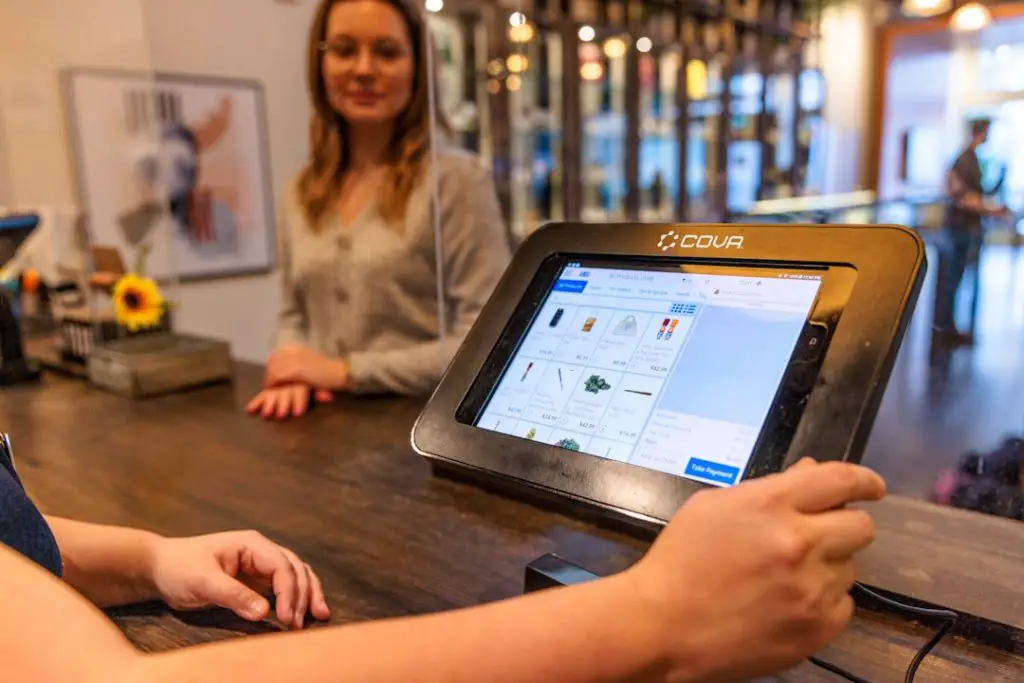
In today’s fast-paced retail environment, handling sales and payments efficiently is no longer just a convenience—it’s a necessity. Retail Point of Sale (POS) systems have evolved from simple cash registers into powerful business management platforms that streamline transactions, track inventory, generate insights, and enhance customer experiences. Whether you operate a small boutique or a multi-location retail chain, choosing the right POS system can significantly influence your operational efficiency and profitability.
TLDR: Retail POS systems are comprehensive tools that manage sales, payments, inventory, and customer data in one centralized platform. Modern systems support multiple payment methods, provide real-time analytics, and integrate with other business tools. They improve efficiency, reduce errors, and enhance customer experience. Selecting the right POS depends on your store size, industry needs, and scalability goals.
Understanding Retail POS Systems
A retail POS system is the combination of hardware and software that enables businesses to process sales transactions. While traditionally associated with cash registers, today’s POS systems include features such as:
- Payment processing for credit cards, debit cards, and digital wallets
- Inventory management with real-time stock updates
- Sales reporting and analytics
- Customer relationship management (CRM)
- Employee management tools
Modern POS solutions are cloud-based, meaning data is stored securely online and accessible from anywhere. This flexibility allows retailers to monitor performance remotely, manage multiple locations, and make informed decisions based on live data.

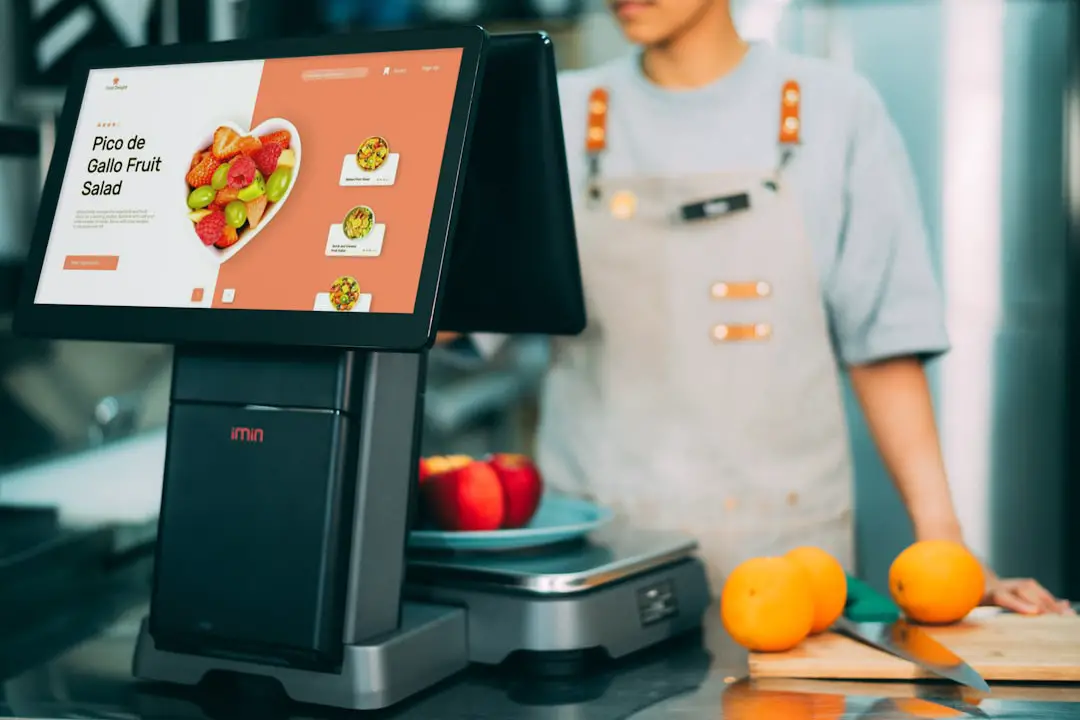
Key Components of a Retail POS System
To understand how POS systems handle sales and payments effectively, it’s important to break down their primary components:
1. Hardware
- Touchscreen terminal or tablet
- Barcode scanner
- Receipt printer
- Cash drawer
- Card reader or payment terminal
These devices work together to complete fast and accurate transactions. Many modern systems now operate on tablets, reducing hardware costs and improving mobility within the store.
2. Software
The software is the brain of the POS system. It processes transactions, calculates taxes, manages discounts, tracks sales data, and updates inventory automatically. Cloud-based software also ensures automatic updates and scalability.
3. Payment Gateway
The payment gateway securely authorizes electronic payments. It encrypts customer data and ensures compliance with security standards, protecting both the retailer and customers from fraud.
Handling Multiple Payment Methods
Customer preferences have shifted dramatically in recent years. Cash is no longer dominant; instead, shoppers expect flexibility. A reliable retail POS system handles various payment methods seamlessly, including:
- Cash transactions
- Credit and debit cards
- Contactless payments (NFC)
- Mobile wallets
- Gift cards and store credits
- Buy now pay later services
By supporting multiple payment options, retailers reduce friction at checkout and improve customer satisfaction. Faster transactions mean shorter lines and more completed purchases.
Improving Checkout Efficiency
Speed and accuracy are crucial in retail. Every second saved at checkout improves customer flow and reduces abandoned purchases. POS systems enhance efficiency by:
- Automatically calculating taxes and discounts
- Scanning items quickly with barcode integration
- Applying promotional codes instantly
- Tracking returns and exchanges accurately
Some advanced systems even use self-checkout kiosks or mobile POS devices, allowing staff to complete transactions anywhere in the store. This not only enhances convenience but also creates a modern shopping experience.
Inventory Management Integration
Effective sales handling includes accurate inventory tracking. Modern POS systems update stock levels in real time as soon as a sale is completed. This prevents discrepancies and minimizes the risk of overselling or stockouts.
- Automatic low-stock alerts
- Inventory forecasting tools
- Centralized tracking across multiple locations
- Integration with suppliers and purchase orders
Retailers gain full visibility into product performance, enabling smarter reordering decisions and better cash flow management.

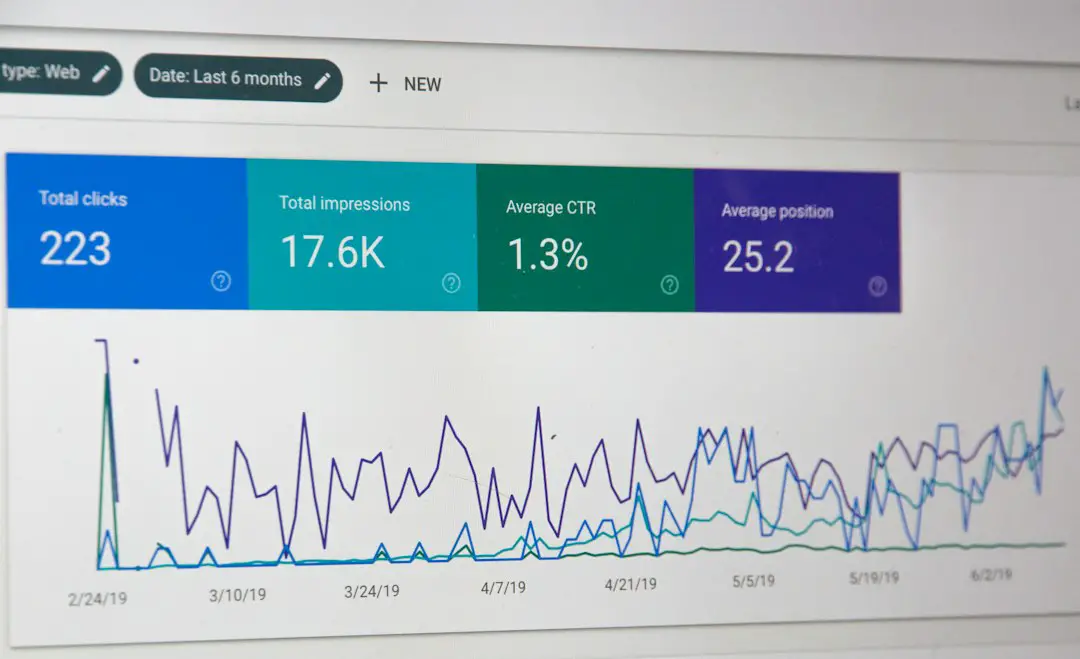
Data-Driven Sales Insights
One of the most powerful advantages of retail POS systems is access to real-time data and analytics. Instead of manually compiling sales reports, store owners can instantly view:
- Daily, weekly, or monthly revenue
- Top-performing products
- Underperforming inventory
- Peak shopping hours
- Employee sales performance
This information helps retailers identify trends, adjust pricing strategies, and optimize staffing schedules. For example, if analytics show higher sales on weekend evenings, managers can allocate more staff during those peak hours.
Enhancing Customer Experience
An efficient POS system does more than process payments—it strengthens customer relationships. By integrating CRM features, retailers can:
- Collect customer purchase histories
- Create loyalty programs
- Issue personalized discounts
- Send targeted promotions
Personalized marketing increases repeat business. When customers feel recognized—whether through stored preferences or tailored offers—they are more likely to return.
Additionally, digital receipts and faster checkouts reduce paper waste and save time, aligning with customer expectations for sustainability and convenience.
Security and Fraud Prevention
Handling payments securely is a top priority for retailers. Modern POS systems incorporate advanced security features such as:
- End-to-end encryption
- Tokenization to protect card data
- User access controls for employees
- Transaction logging for auditing
Compliance with payment card industry standards ensures customer trust and minimizes liability. Multi-factor authentication and role-based permissions further protect sensitive business data.
Cloud-Based vs. Traditional POS Systems
Retailers often choose between traditional on-premise POS systems and cloud-based solutions.
Cloud-Based POS
- Accessible from anywhere
- Real-time data synchronization
- Lower upfront hardware costs
- Automatic software updates
Traditional POS
- Locally installed software
- Greater control over data storage
- Less dependent on internet connectivity
For most modern retailers, cloud-based systems offer more flexibility and scalability, particularly for businesses planning expansion.
Scalability for Growing Retailers
As businesses grow, their operational needs become more complex. A scalable POS system allows you to:
- Add new store locations easily
- Integrate ecommerce platforms
- Manage centralized reporting
- Handle higher transaction volumes
Omnichannel retailing—selling across physical stores and online channels—requires seamless integration. Modern POS systems synchronize in-store and online inventory, ensuring consistent product availability.


Training and Ease of Use
No matter how powerful a POS system is, usability matters most on the sales floor. Intuitive interfaces reduce employee training time and minimize costly errors. Features such as:
- Simple touchscreen layouts
- Quick product search functions
- Visual item catalogs
- Clear sales summaries
help staff operate the system confidently. Efficient onboarding ensures faster adoption and smoother daily operations.
Choosing the Right Retail POS System
Selecting the right POS system requires evaluating several factors:
- Business size and type
- Budget constraints
- Required integrations
- Customer support availability
- Future scalability
A small single-location store may prioritize affordability and simplicity, while a large chain may require multi-location reporting and advanced analytics. Taking time to assess your current needs and future goals will help ensure a long-term return on investment.
The Future of Retail POS Systems
Retail POS technology continues to advance rapidly. Emerging developments include:
- AI-driven sales forecasting
- Biometric payment authentication
- Voice-activated interfaces
- Advanced customer personalization tools
As consumer expectations evolve, POS systems will play an increasingly central role in delivering seamless, connected shopping experiences.
Conclusion
Retail POS systems have transformed from simple transaction tools into comprehensive business management platforms. By efficiently handling sales and payments, integrating inventory control, offering actionable analytics, and enhancing customer engagement, they serve as the backbone of modern retail operations.
Investing in the right POS solution is not just about processing transactions—it’s about building a smarter, more agile retail business. In a competitive marketplace where speed, security, and customer satisfaction define success, a robust retail POS system is an indispensable asset.