
The best SEO landing pages are built around one search intent, one clear offer, and one measurable conversion action. If a page tries to rank for everything, explain everything, and sell everything, it usually does none of those well. Structure comes first. Then keyword targeting, trust signals, page speed, internal links, and conversion testing.
TLDR: A strong SEO landing page matches a specific search query with a useful answer and a clear next step. For example, a B2B software company might create a page for “inventory management software for small retailers,” add proof from three retail clients, and drive visitors toward a demo form. If 4,000 organic visitors arrive each month and the page improves from a 1.2% to a 2.0% conversion rate, that is 32 extra leads without buying more traffic. Keep the page focused, fast, credible, and easy to act on.
What Makes an SEO Landing Page Different?
An SEO landing page is not just a sales page with keywords added later. It is a page designed to rank in organic search and turn qualified visitors into leads, trials, bookings, or purchases. That balance matters.
A standard landing page might rely on paid ads, email, or social traffic. An SEO landing page must also satisfy search engines. That means it needs useful content, clean structure, crawlable HTML, relevant internal links, and enough depth to answer the searcher’s real question.
The catch is that many teams overbuild these pages. They add sliders, popups, oversized scripts, and vague copy. Then the page takes 5.8 seconds to load on mobile, and everyone wonders why rankings and conversions are flat.
Start With Search Intent, Not Keywords Alone
Keywords matter, but intent decides the page. Before writing, ask what the visitor wants to do.
- Informational intent: The user wants to learn. Example: “how to reduce cart abandonment.”
- Commercial intent: The user is comparing options. Example: “best CRM for real estate agents.”
- Transactional intent: The user is close to acting. Example: “hire local tax accountant.”
- Local intent: The user wants a nearby provider. Example: “emergency plumber in Austin.”
Match the page format to that intent. A commercial page may need comparisons, pricing context, testimonials, and FAQs. A local page needs service area details, reviews, credentials, and clear contact options. A transactional page should reduce friction fast.
Use a Clear Page Structure
A reliable SEO landing page should feel simple. Search engines and users should understand it within seconds.
Use this structure as a baseline:
- Hero section: State the offer, audience, and benefit. Add one primary call to action.
- Problem and outcome: Show that you understand the visitor’s issue.
- Solution details: Explain what you offer and how it works.
- Proof: Add reviews, case studies, client logos, ratings, or measurable results.
- Feature or service sections: Cover the main subtopics users expect.
- FAQ section: Answer objections and long-tail search questions.
- Final call to action: Repeat the next step without adding confusion.
Do not bury the offer under a long brand story. Visitors from Google are impatient. They came with a task. Help them complete it.
Optimize the Core SEO Elements
Good on-page SEO is not glamorous, but it works. Missing basics still costs companies traffic every day.
- Title tag: Include the primary keyword and a clear value angle. Keep it natural.
- Meta description: Write for clicks. Mention the benefit, audience, and action.
- H1 heading: Use one main heading that aligns with the target query.
- Subheadings: Use H2 and H3 tags to organize topics and related questions.
- URL: Keep it short and readable. Avoid random numbers or bloated folders.
- Image alt text: Describe the image in plain language. Do not stuff keywords.
- Schema markup: Add FAQ, LocalBusiness, Product, Review, or Service schema when relevant.
Also check indexability. Honestly, it feels like basic housekeeping should not be missed, but it happens often. A page can have perfect copy and still fail because it is blocked by a noindex tag or stuck five clicks deep from the homepage.
Write Copy That Converts Organic Visitors
SEO copy should not read like it was assembled from keyword fragments. It should be useful, specific, and direct.
Strong landing page copy answers these questions fast:
- Who is this for?
- What problem does it solve?
- Why should I trust this provider?
- What happens after I click?
- How much risk or effort is involved?
Use the visitor’s language. If people search for “same day AC repair,” do not lead with “residential climate comfort solutions.” That kind of phrasing sounds polished but says little. Clear beats clever.
Add proof near each major claim. If you say your onboarding is fast, state the average setup time. If you say your agency improves lead quality, show a sample result. For example: “After restructuring 18 service pages, organic demo requests rose 41% over six months.”
Design for Trust and Low Friction
Organic visitors may not know your brand. Trust must be earned quickly.
Useful trust signals include:
- Real customer testimonials with names, roles, or company details.
- Case study snippets with numbers.
- Security badges where data or payments are involved.
- Professional certifications, licenses, or partner badges.
- Transparent pricing cues, even if full pricing requires a quote.
- Clear privacy language near forms.
Forms should ask only for what the sales or service team truly needs. A newsletter form can ask for an email. A demo request might need name, business email, company size, and role. Asking for a phone number too early can depress completions, especially on mobile.
Build Internal Links With Purpose
Internal links help search engines understand importance and context. They also move visitors toward useful next steps.
Link from related blog posts, comparison pages, service pages, and resource hubs to your SEO landing page. Use descriptive anchor text. Instead of “click here,” use “small business payroll services” or “CRM implementation support.”
Do not overdo it. A page with 80 internal links can feel messy and unfocused. Prioritize links that support the user journey.
Improve Speed and Mobile Experience
Most SEO landing pages receive a large share of mobile visits. A slow mobile page hurts rankings, engagement, and revenue.
Focus on these items first:
- Compress large images and use modern formats.
- Remove unused scripts and heavy tracking tags.
- Use lazy loading for offscreen images.
- Keep fonts simple and limit third-party widgets.
- Test forms, buttons, menus, and sticky bars on real phones.
Expect to waste time on bulky page builders if every small edit adds more code. A simple landing page should not need 2.5 MB of scripts to display text, icons, and a form.
Measure the Right Conversion Signals
Rankings are not the final score. Traffic without conversions is only activity.
Track these metrics:
- Organic sessions: Are qualified visitors increasing?
- Keyword visibility: Is the page gaining impressions for relevant terms?
- Click-through rate: Are title tags and descriptions earning clicks?
- Engagement: Are users scrolling, clicking, and staying long enough?
- Conversion rate: Are visitors taking the intended action?
- Lead quality: Are sales teams accepting and closing those leads?
Segment data by device, query type, location, and traffic source. A page may convert well on desktop but fail on mobile because the form button sits below a sticky chat widget. Small issues like that can quietly drain revenue.
Refresh and Improve the Page Over Time
An SEO landing page is not finished when it goes live. Search results change. Competitors update pages. Customer objections shift.
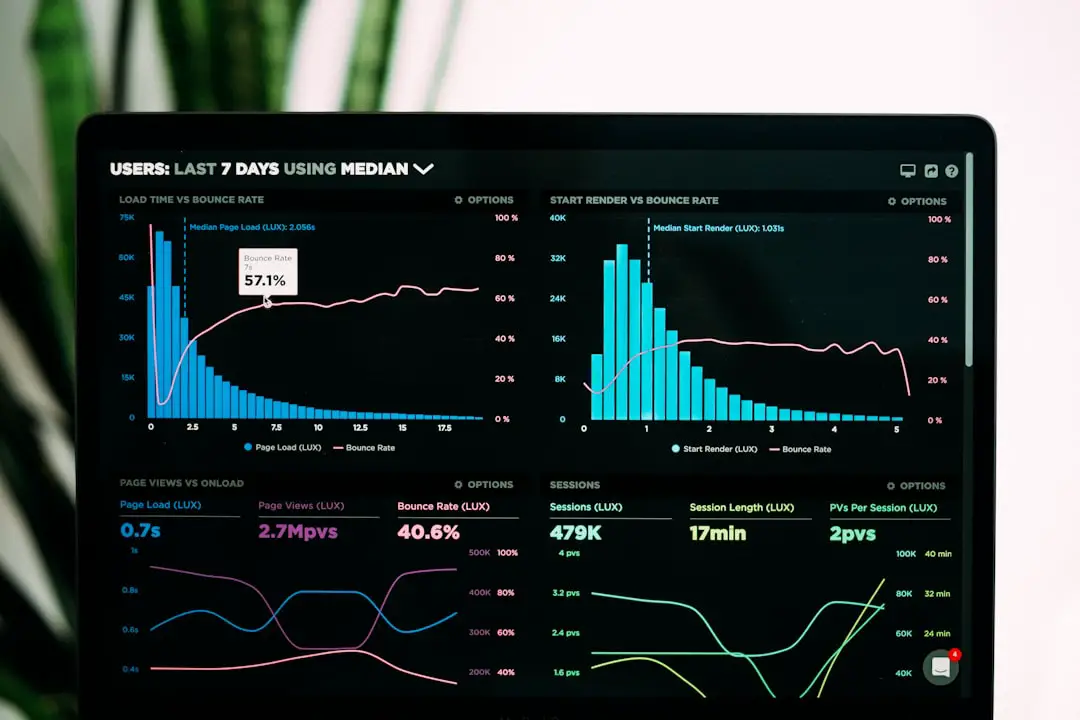
Review priority pages every quarter. Update statistics, screenshots, pricing references, testimonials, FAQs, and internal links. Check Search Console for queries with high impressions and weak click-through rates. Those terms may reveal missing sections or better title tag angles.
Run controlled tests when traffic allows. Test one major change at a time, such as the hero message, form length, testimonial placement, or call-to-action wording. Keep records. Guesswork gets expensive.
A Practical Standard to Aim For
A high-performing SEO landing page should be easy to find, easy to understand, and easy to act on. It should answer the searcher’s intent better than competing pages while giving clear reasons to trust the offer.
Keep the page focused. Support claims with proof. Remove friction. Measure outcomes. Then improve it again. That is how SEO landing pages move beyond rankings and start producing real organic revenue.