

Make the video sharp, safe, and easy to watch. That is the real goal behind any “sexy” Full HD video. Here, sexy means clean, polished, smooth, and good-looking. Not messy pixels. Not weird audio. Not a giant file that takes 40 years to upload.
TLDR: Full HD means 1920 × 1080 pixels, which is sharp enough for most phones, laptops, TVs, and social platforms. A 3-minute Full HD clip encoded well may be around 150 MB to 300 MB, while a badly exported one can hit 1 GB for no good reason. For example, a creator posting a product teaser may see 35% more watch time when the video loads fast and stays crisp. Always get consent, protect privacy, and share only where you have the right to share.
What Full HD actually means
Full HD is a video resolution. It means the frame is 1920 pixels wide and 1080 pixels tall. That gives you about 2.1 million pixels per frame.
Think of pixels like tiny colored tiles. More tiles can mean more detail. A face looks cleaner. Text looks sharper. Motion looks less muddy.
Full HD is also called 1080p. The “p” means progressive scan. That sounds fancy. It just means each frame is drawn as a full image. Good. Simple. Smooth.


Why Full HD still matters
Yes, 4K exists. Yes, 8K exists. Yes, your uncle may brag about his giant TV. But Full HD is still the sweet spot for many videos.
- It looks sharp on most screens.
- It uploads faster than 4K.
- It streams better on average Wi Fi.
- It uses less storage.
- It works well on social platforms.
The catch is that resolution alone does not make a video look good. A bad 1080p file can look worse than a clean 720p file. Annoying, but true.
Resolution is not the same as quality
Resolution is only the size of the frame. Quality depends on more parts.
Lighting matters. Soft light makes people and products look better. Harsh light can make skin shiny and backgrounds ugly.
Focus matters. A blurry Full HD video is still blurry. No magic pixel fairy will save it.
Bitrate matters. Bitrate is how much video data is used per second. More data can mean better quality. But too much data makes huge files.
Encoding matters. Encoding is how the video is packed into a file. Good encoding keeps detail while shrinking size.
Bitrate made simple
Bitrate is usually measured in Mbps. That means megabits per second.
For Full HD, these are common ranges:
- 3 to 5 Mbps: basic web video.
- 6 to 10 Mbps: clean social or YouTube style video.
- 10 to 15 Mbps: high quality Full HD.
- 20 Mbps or more: useful for editing, but often too large for sharing.
If your video has fast action, dancing, water, smoke, glitter, or flashing lights, it needs more bitrate. Those details are hard to compress. Honestly, it feels like video software chooses chaos the second confetti appears on screen.
Frame rate without the headache
Frame rate means how many frames play each second. It is measured as fps.
- 24 fps: film-like and soft.
- 30 fps: common for online video.
- 60 fps: very smooth, great for sports, games, and fast movement.
For many Full HD videos, 30 fps is enough. Use 60 fps when motion matters. Do not use 60 fps just because it sounds better. It creates larger files.

Encoding: the magic suitcase
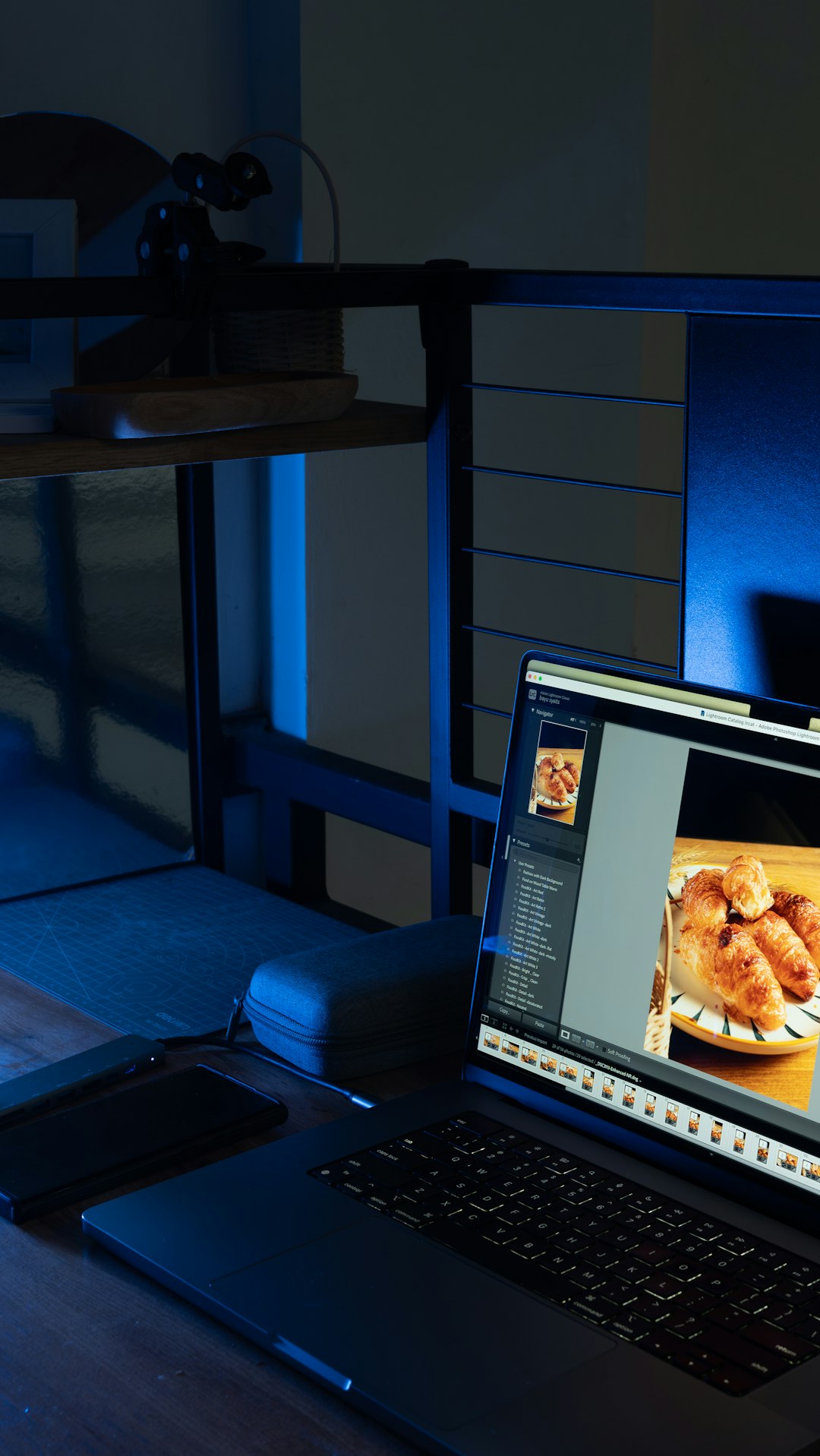
Encoding squeezes video into a file. It is like packing a suitcase. Good packing saves space. Bad packing breaks stuff.
The most common video codecs are:
- H.264: safe, common, works almost everywhere.
- H.265: smaller files, great quality, but not supported by every older device.
- AV1: very efficient, growing fast, but slower to encode.
For most people, H.264 in MP4 is the easy choice. It works on phones, browsers, TVs, and editing tools. It is not exciting. It is reliable. Sometimes boring wins.
Best export settings for Full HD
Use these settings when you want a clean Full HD file:
- Resolution: 1920 × 1080
- Frame rate: 30 fps or 60 fps
- Codec: H.264
- Container: MP4
- Bitrate: 8 to 12 Mbps for most clips
- Audio: AAC, 128 to 320 kbps
- Color: Rec. 709 for standard video
Expect to waste time on export menus. Some apps hide bitrate under “advanced,” then add three presets named things like “Better” and “Best.” Thanks. Very helpful.
File size: why your video got huge
File size depends on bitrate and length. That is the big rule.
A 1-minute video at 10 Mbps is about 75 MB. A 10-minute video at the same bitrate is about 750 MB. Simple math. Painful upload.
If the file is too large, lower the bitrate a little. Do not crush it too hard. Blocky faces and smeared backgrounds are not a vibe.
Making video look “sexy” without being creepy
A good-looking video feels intentional. It has clean framing. It has clear sound. It has stable motion. It respects the viewer.
Try this quick checklist:
- Use good light. Face a window or use a soft lamp.
- Clean the lens. Fingerprints ruin sharpness.
- Use a tripod. Shaky video feels cheap.
- Check the background. Remove clutter.
- Record clean audio. Bad sound makes people leave fast.
Sexy video quality is not only about skin, style, or sparkle. It is about control. The viewer should feel, “Nice, this person knows what they are doing.”
Responsible digital video distribution
This part matters. A lot.
If a video includes real people, get clear consent before recording and sharing. Consent should be specific. A person may agree to private filming but not public posting. Those are different things.
Do not share intimate, private, or adult content without written permission from every person shown. Do not repost stolen clips. Do not upload content involving minors. Ever. If there is any doubt, do not publish.
Also check platform rules. Each site has its own rules for adult themes, nudity, ads, music, copyright, and age limits.

Privacy tips before you upload
- Remove location data from files when needed.
- Blur faces of people who did not agree to appear.
- Hide addresses, plates, badges, and screens.
- Use watermarks for brand protection.
- Keep original files safe in private storage.
Metadata can reveal more than you think. Some files may include device info, dates, or GPS data. Strip it if privacy matters.
Streaming versus downloading
Streaming plays while the file loads. Downloading saves the whole file first. Most viewers prefer streaming because it is fast.
For smooth streaming, platforms often create several versions of your video. A viewer with strong internet may get 1080p. A viewer on weak mobile data may get 720p or lower. This is normal. It helps prevent buffering.
If you host videos yourself, use adaptive streaming when possible. It can improve play time and reduce rage clicks.
Final practical recipe
Record in Full HD or higher. Use steady light. Keep the audio clean. Export as MP4, H.264, 1080p, 30 fps, 8 to 12 Mbps. Watch the full video before posting. Yes, the whole thing.
Full HD is not old news. It is still a smart format. It looks good. It moves fast. It saves space. And when shared with consent and care, it helps your video feel sharp, polished, and yes, genuinely sexy.