
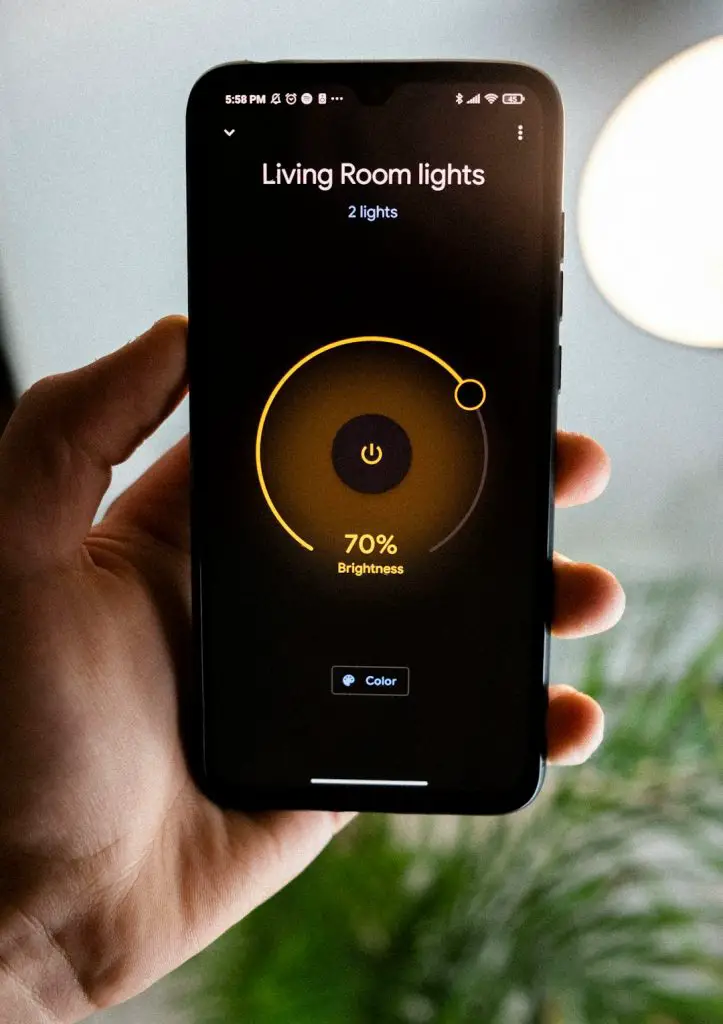
Smart home management platforms have rapidly evolved from novelty applications into essential digital infrastructure for modern households. Platforms like Google Home allow users to centralize control of lighting, climate systems, security devices, entertainment equipment, and appliances through a unified interface. As the number of connected devices grows, the need for reliable, secure, and interoperable control systems becomes increasingly critical. Understanding how these platforms function, what they offer, and how they impact daily life is key to making informed adoption decisions.
TLDR: Smart home management platforms like Google Home act as centralized hubs that connect, automate, and control compatible smart devices. They improve convenience, energy efficiency, and security through voice commands, automation routines, and remote access. While offering significant benefits, they also require careful attention to privacy, compatibility, and cybersecurity. Choosing the right platform depends on ecosystem compatibility, user needs, and long-term scalability.
What Are Smart Home Management Platforms?
A smart home management platform is a software ecosystem designed to integrate and control multiple connected devices from a single interface. Instead of operating separate apps for smart lights, thermostats, cameras, and speakers, users can manage everything through one centralized system. Platforms such as Google Home, Amazon Alexa, and Apple HomeKit have become dominant players, creating digital bridges between manufacturers and consumers.
These platforms function primarily as:
- Control hubs that send commands to connected devices
- Automation engines that allow scheduled or conditional routines
- Voice interfaces that enable hands-free operation
- Integration layers connecting products from different brands
The core value lies in interoperability—allowing devices from different manufacturers to function cohesively within a single smart ecosystem.

Core Features and Functional Capabilities
While features vary by platform, most mature smart home management systems provide several essential capabilities.
1. Centralized Device Management
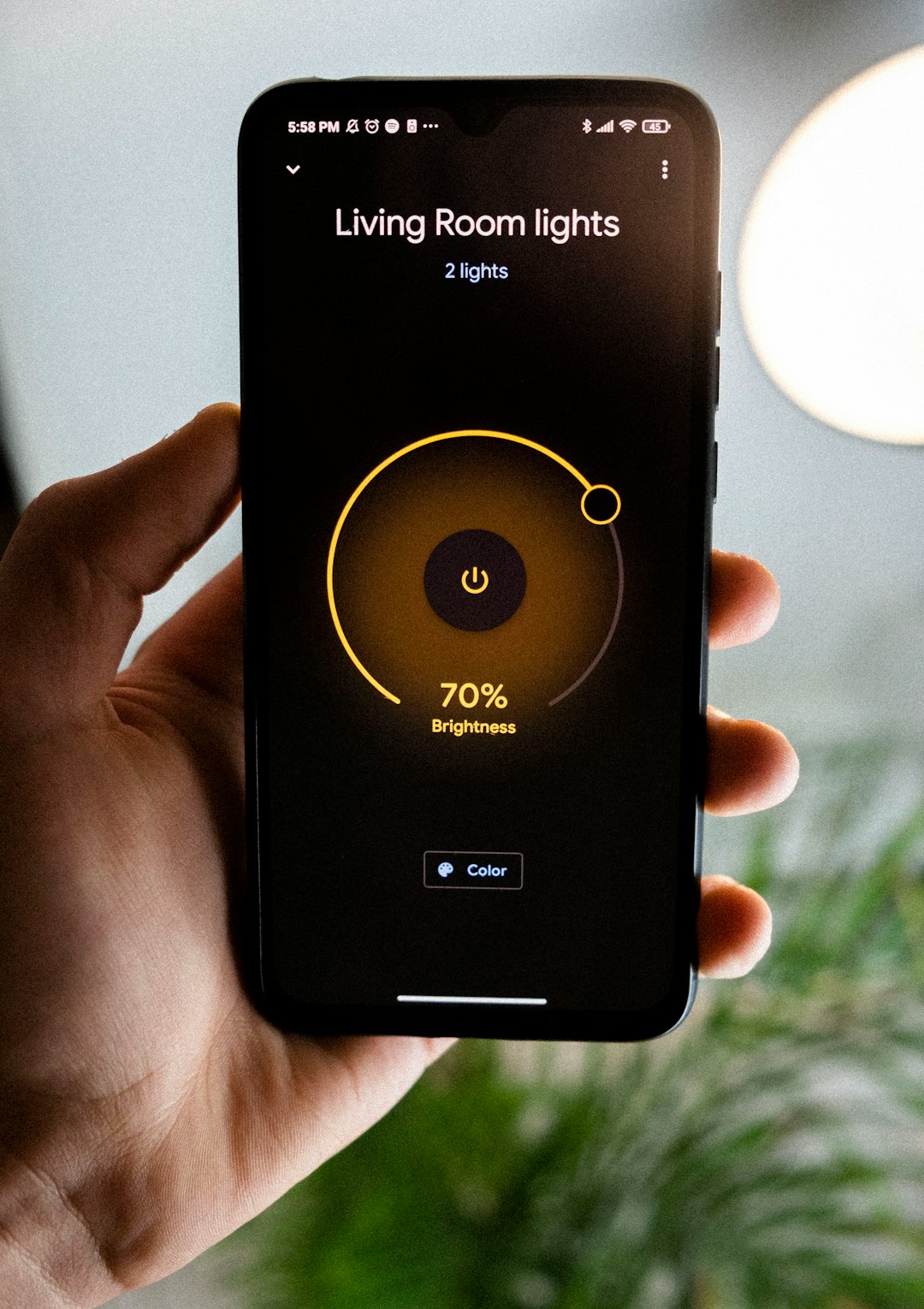
Users can view all compatible devices within one application interface. This simplifies everyday tasks such as dimming lights, adjusting temperature, or checking camera feeds without switching between separate applications.
2. Voice Control Integration
Voice assistants represent a defining characteristic of platforms like Google Home. Through natural language processing, users can issue spoken commands such as turning on lights, locking doors, or adjusting thermostats. This hands-free functionality improves accessibility and convenience, particularly in multi-tasking environments.
3. Automation and Routines
Automation capabilities allow devices to operate based on triggers, schedules, or conditions. For example:
- Lights turning on automatically at sunset
- Thermostats adjusting when occupants leave home
- Doors locking at a designated nighttime hour
- Coffee machines activating when a morning alarm goes off
These routines reduce manual intervention while enhancing energy optimization and daily efficiency.
4. Remote Access
Cloud connectivity enables users to control devices from anywhere with an internet connection. This remote visibility supports travel scenarios, security monitoring, and real-time home adjustments.
5. Multi-User Support
Most platforms allow multiple family members to access the same system with individualized voice recognition and permissions, ensuring personalized experiences without compromising control.
The Role of Smart Speakers and Displays
Smart speakers and displays frequently serve as physical extensions of smart home platforms. Devices such as smart displays provide touch-screen control interfaces, while speakers reinforce voice-based management.

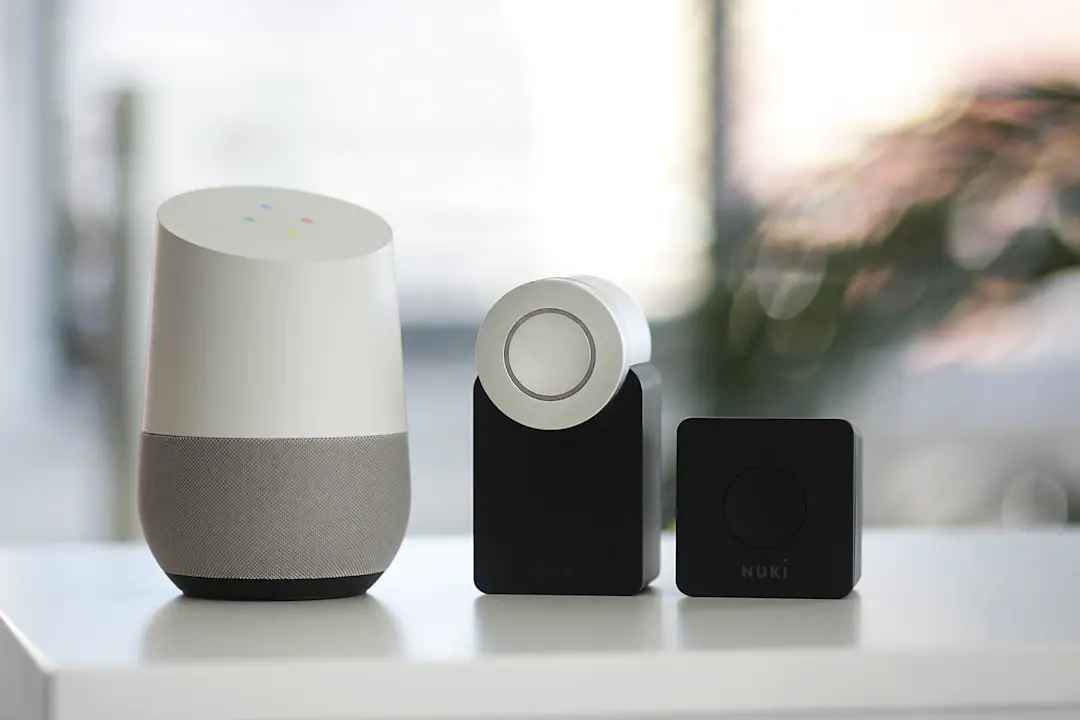
These hardware integrations accomplish three important functions:
- Always-available voice access without needing a phone
- Visual dashboards for cameras, weather, and calendar integration
- Seamless room-based control throughout the household
The integration of hardware and software creates a cohesive user experience that transforms abstract digital systems into tangible household tools.
Security and Privacy Considerations
With greater connectivity comes greater responsibility. Smart home platforms collect data on usage patterns, device status, and voice commands. For serious users, evaluating privacy safeguards is essential before adopting any platform.
Key areas of concern include:
- Data encryption during transmission and storage
- User authentication controls such as two-factor authentication
- Privacy settings transparency for data retention and sharing
- Device update policies to patch security vulnerabilities
Manufacturers have implemented stronger protection mechanisms over time, but responsibility also falls on users to maintain updated firmware, secure Wi-Fi networks, and strong passwords.
Voice data privacy also remains a prominent concern. Many platforms now allow users to review, delete, or limit stored voice recordings. Ensuring these controls are properly configured is vital for maintaining trust.
Energy Efficiency and Sustainability Benefits
Beyond convenience, smart home platforms contribute to energy conservation and sustainability initiatives. Intelligent automation reduces unnecessary power consumption through optimized heating, cooling, and lighting usage.
Examples of energy-saving implementations include:
- Smart thermostats adjusting temperature when occupants are away
- Lighting systems dimming automatically during daylight hours
- Appliances running during off-peak energy periods
These efficiencies not only lower utility bills but also support broader environmental objectives. In commercial and large residential properties, the cumulative impact can be substantial.
Compatibility and Ecosystem Lock-In
One of the most important practical considerations is device compatibility. Not all connected devices function seamlessly across every platform. Before investing in a smart home management system, users should review whether their preferred devices integrate fully within that ecosystem.
Challenges include:
- Partial feature support for third-party devices
- Delayed updates across different brands
- Limited cross-platform interoperability
Industry initiatives promoting universal standards have improved integration in recent years, but ecosystem lock-in remains a consideration. Selecting a platform may influence future purchasing decisions, making long-term planning essential.
Scalability and Future Expansion
Smart home systems are rarely static. Many homeowners begin with a few connected lights or speakers and gradually expand to comprehensive automation networks. Therefore, scalability is a critical evaluation factor.
A serious platform should support:
- Hundreds of connected devices without performance degradation
- Complex automation chains involving multiple conditional triggers
- Integration with emerging technologies such as AI-driven predictive adjustments
Future-ready platforms leverage machine learning to anticipate user behavior. For example, systems may learn preferred wake-up times, entertainment habits, or comfort settings, offering suggestions based on historical patterns.

Practical Implementation Best Practices
For effective deployment, experts recommend a structured approach:
- Start with core needs. Identify priority functions such as security monitoring or energy savings.
- Assess network strength. A stable and secure Wi-Fi connection is foundational.
- Implement gradual expansion. Add devices incrementally to evaluate compatibility and performance.
- Prioritize security settings. Activate encryption features and enable authentication layers immediately.
- Review data permissions regularly. Ensure privacy settings align with comfort levels.
This disciplined approach minimizes disruption while maximizing reliability.
Commercial and Enterprise Applications
Although widely associated with residential use, smart management platforms also offer value in commercial contexts. Offices, hospitality environments, and retail establishments can benefit from centralized lighting control, climate scheduling, and security oversight.
Enterprise-level adaptation may include:
- Energy usage monitoring across multiple rooms
- Automated conference room configuration
- Integrated visitor entry management
When implemented strategically, these systems reduce operational costs while enhancing environmental control and security transparency.
Conclusion
Smart home management platforms like Google Home represent a mature and increasingly indispensable layer of modern residential infrastructure. By unifying control, enabling automation, and delivering intelligent voice interaction, these systems enhance comfort, efficiency, and oversight. However, thoughtful implementation is essential to address compatibility limitations, privacy implications, and long-term scalability.
For users willing to approach adoption carefully and strategically, these platforms offer a powerful toolset that transforms disconnected devices into a cohesive, intelligent ecosystem. As technology continues to evolve, smart home management platforms are likely to become not just optional enhancements, but foundational components of digitally integrated living environments.