
In today’s hyper-connected global economy, supply chains are more complex than ever. Companies must coordinate suppliers, manufacturers, warehouses, distributors, and customers across continents—often in real time. Supply chain planning tools have emerged as critical technologies for managing this complexity, enabling businesses to optimize logistics, reduce costs, and improve service levels. From advanced analytics to AI-driven forecasting, these tools transform raw data into actionable insights that power smarter decision-making.
TLDR: Supply chain planning tools help organizations optimize logistics by improving forecasting, inventory management, production scheduling, and transportation planning. Modern platforms leverage AI, automation, and real-time data to reduce costs, increase efficiency, and enhance customer satisfaction. By integrating across systems and providing predictive insights, these tools enable proactive rather than reactive decision-making. The result is a more resilient, agile, and cost-effective supply chain.
Why Supply Chain Planning Matters
Logistics optimization is not simply about moving goods from point A to point B. It involves balancing multiple, often competing objectives such as:
- Minimizing transportation costs
- Maintaining optimal inventory levels
- Ensuring timely delivery
- Maximizing warehouse efficiency
- Reducing risk and disruption
Without robust planning tools, companies often rely on spreadsheets, disconnected systems, or manual processes that introduce errors and limit visibility. In contrast, modern planning platforms integrate data across departments and geographies, creating a unified view of the supply chain.
Core Types of Supply Chain Planning Tools
Supply chain planning is not a single function—it encompasses a range of specialized tools designed to address specific operational needs. Below are some of the most impactful categories.
1. Demand Forecasting Tools
Accurate forecasting is the foundation of effective logistics. Demand planning software uses historical sales data, market trends, seasonality, and promotional information to predict future customer demand. Advanced systems leverage machine learning algorithms to continuously improve forecast accuracy.
With reliable forecasts, organizations can:
- Reduce stockouts and overstocking
- Improve production scheduling
- Align procurement with real demand
- Increase customer satisfaction
Improved forecast accuracy directly impacts logistics performance by stabilizing transportation flows and minimizing last-minute, high-cost shipping decisions.
2. Inventory Optimization Tools
Holding too much inventory ties up capital and increases storage costs. Holding too little risks lost sales and damaged customer relationships. Inventory optimization tools calculate the ideal stock levels across multiple locations, factoring in lead times, service level goals, and demand variability.
Some platforms provide:
- Safety stock calculations
- Multi-echelon inventory optimization
- Automated replenishment recommendations
By strategically positioning inventory within the network, companies can shorten delivery times while minimizing overall inventory investment.
3. Production Planning and Scheduling Tools
For manufacturers, optimizing logistics begins at the production floor. Production planning tools align manufacturing capacity with forecasted demand and inventory targets. They generate realistic production schedules that consider constraints like machine availability, labor capacity, and raw material supply.
Advanced systems can simulate different scheduling scenarios, allowing planners to identify the most efficient and cost-effective production plans.
4. Transportation Management Systems (TMS)
Transportation often represents the largest portion of logistics costs. A Transportation Management System helps companies plan, execute, and optimize the physical movement of goods.
Key features include:
- Route optimization
- Carrier selection and rate comparison
- Freight auditing and payment
- Real-time shipment tracking
By analyzing variables such as distance, fuel consumption, traffic patterns, and delivery windows, TMS platforms can significantly reduce freight costs while improving on-time performance.
5. Sales and Operations Planning (S&OP) Platforms
Sales and Operations Planning tools integrate data from sales, marketing, finance, operations, and logistics to create a unified strategic plan. These platforms facilitate cross-functional collaboration and align supply chain decisions with broader business objectives.
Rather than operating in silos, departments work together using a shared set of data and performance metrics.
The Role of Artificial Intelligence and Advanced Analytics
Modern supply chain planning tools increasingly rely on AI and predictive analytics to elevate decision-making. Unlike traditional systems that simply report past performance, intelligent platforms forecast future scenarios and recommend optimal actions.
Some advanced capabilities include:
- Predictive demand sensing using real-time sales data
- Risk modeling for supply disruptions
- Automated scenario simulation
- Dynamic rerouting based on real-time traffic or weather data
For example, if a key supplier experiences delays, AI-driven tools can immediately evaluate alternative sourcing options, estimate cost impacts, and recommend an adjusted transportation plan.
Benefits of Implementing Supply Chain Planning Tools
Organizations that invest in robust planning technologies often experience measurable improvements across key performance indicators. These benefits extend beyond cost savings.
Improved Visibility
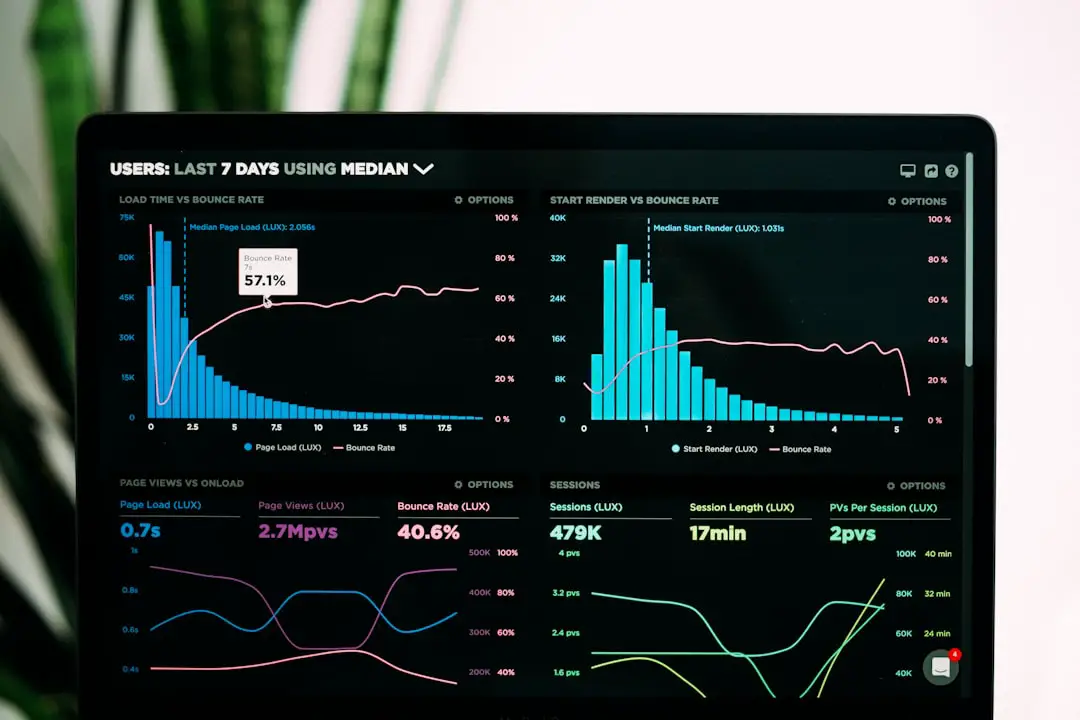
Integrated dashboards provide end-to-end visibility into inventory levels, shipment statuses, and production schedules. This transparency allows managers to detect bottlenecks and act quickly.
Cost Reduction
Optimized transportation routes, balanced inventory levels, and more efficient production planning reduce overall logistics costs. Even small percentage savings can translate into significant financial gains at scale.
Enhanced Customer Service
Reliable forecasting and optimized delivery schedules contribute to higher on-time, in-full (OTIF) rates. Customers benefit from shorter lead times and more consistent service.
Greater Agility and Resilience
Disruptions such as natural disasters, geopolitical events, or supplier bankruptcies can quickly destabilize a supply chain. Planning tools with scenario modeling capabilities enable businesses to prepare contingency plans and respond proactively.

Key Features to Look for in Supply Chain Planning Software
Not all tools are created equal. When evaluating solutions, organizations should consider features that align with their operational complexity and growth strategy.
- Integration capabilities: Seamless connectivity with ERP, warehouse management, and CRM systems.
- Scalability: Ability to handle increased transaction volumes and geographic expansion.
- User-friendly interface: Intuitive dashboards and reporting tools.
- Advanced analytics: Built-in AI and predictive algorithms.
- Cloud-based accessibility: Real-time access from multiple locations.
Cloud-based platforms, in particular, offer faster deployment, easier updates, and improved collaboration across distributed teams.
Challenges in Implementation
While the benefits are compelling, implementing supply chain planning tools comes with challenges. Common obstacles include:
- Data quality issues: Inaccurate or incomplete data undermines tool effectiveness.
- Change management resistance: Employees may be hesitant to adopt new systems.
- Integration complexity: Linking legacy systems can require substantial effort.
Successful implementation often requires a phased approach, clear communication, executive support, and ongoing training. Organizations should treat supply chain planning technology not merely as software deployment, but as a strategic transformation initiative.
The Future of Supply Chain Planning
The future of logistics optimization is increasingly digital and autonomous. Innovations such as the Internet of Things (IoT), blockchain, and digital twins are expanding the capabilities of planning tools.
Digital twin technology, for instance, allows companies to create a virtual replica of their supply chain network. Planners can test various strategies in a simulated environment before implementing them in the real world. Meanwhile, IoT sensors provide real-time tracking of shipments, feeding live data into planning systems for more precise decision-making.
As sustainability becomes a core business priority, planning tools are also incorporating carbon footprint tracking and emissions optimization. Companies can simulate greener transportation routes or adjust sourcing strategies to meet environmental goals while maintaining profitability.
Conclusion
Supply chain planning tools are no longer optional; they are essential for organizations seeking to stay competitive in an increasingly dynamic market. By integrating forecasting, inventory optimization, production scheduling, and transportation management into a cohesive system, these tools empower companies to make data-driven decisions that enhance logistics performance.
With the addition of artificial intelligence, cloud computing, and real-time visibility, supply chains are evolving from reactive networks into proactive, strategic assets. Businesses that embrace advanced planning technologies position themselves to reduce costs, improve service, and build resilience against future disruptions. In a world where speed, efficiency, and adaptability define success, supply chain planning tools serve as the backbone of optimized logistics.