
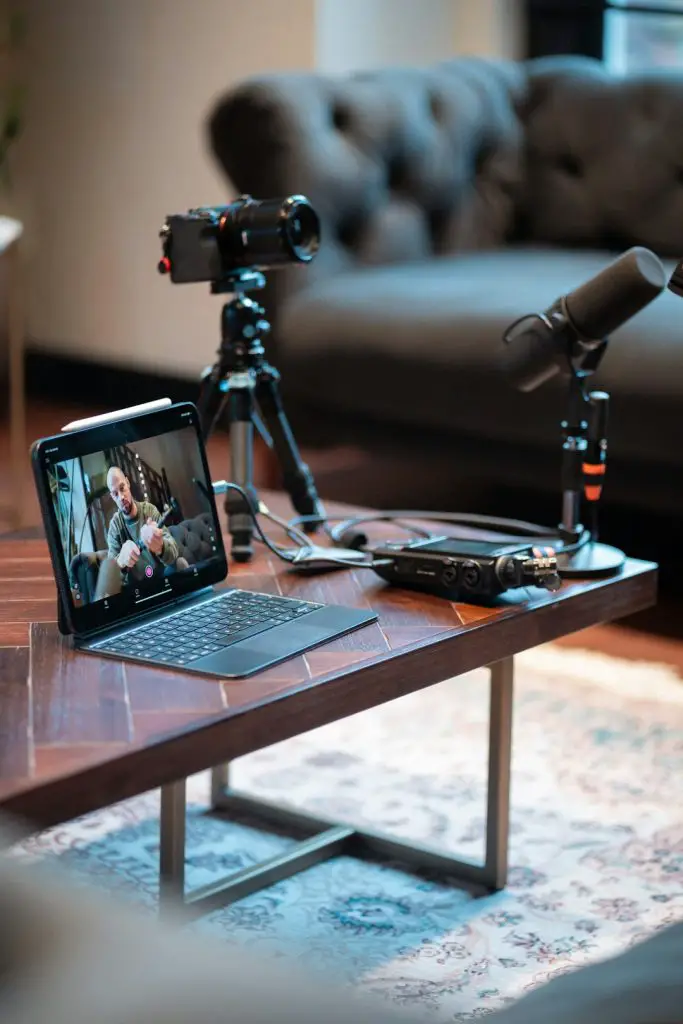
Voice has become one of the most powerful ingredients in digital content. Whether you are making YouTube tutorials, Instagram Reels, TikTok explainers, product demos, podcasts with visual clips, or short-form ads, the right narration can make your message clearer, more emotional, and easier to remember. Text-to-speech tools have evolved from robotic screen readers into highly realistic voice generators that help creators produce professional audio quickly, affordably, and at scale.
TLDR: Text-to-speech tools turn written scripts into spoken audio, making them useful for YouTube videos, social media clips, ads, tutorials, and accessibility. Modern platforms offer natural voices, multiple languages, emotional tones, and editing controls that save time and production costs. The best results come from writing conversational scripts, choosing voices that match your brand, and fine-tuning pacing, pauses, and pronunciation.
Why Text-to-Speech Matters for Modern Creators
Video platforms are crowded, and audiences often decide within seconds whether to keep watching. A clear voiceover can help viewers understand the topic immediately, even if they are multitasking or watching without full attention. For creators who are camera-shy, working with limited budgets, or producing content in bulk, AI voice generation can be a practical alternative to recording every line manually.
Text-to-speech is especially valuable for channels and brands that publish frequently. A tutorial creator might need narration for weekly software walkthroughs. An online store may need voiceovers for dozens of product clips. A marketing team might test different ad scripts across several platforms. Instead of booking a voice actor or recording in a quiet studio every time, teams can generate, revise, and export narration in minutes.

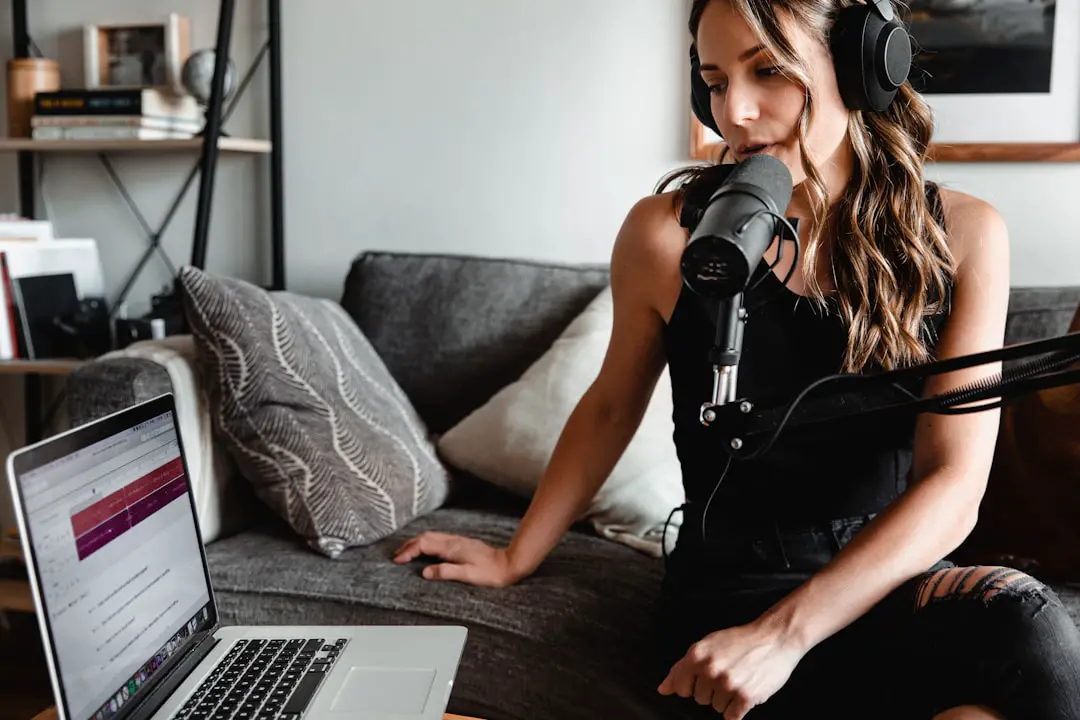
Common Uses for YouTube and Social Media
Text-to-speech tools can support many types of content, from educational videos to entertainment shorts. Some of the most common uses include:
- YouTube tutorials: Step-by-step narration for software guides, recipes, repairs, fitness routines, and explainer videos.
- Short-form videos: Fast, punchy voiceovers for TikTok, Instagram Reels, YouTube Shorts, and Facebook videos.
- Product demos: Clear descriptions of features, benefits, and use cases for ecommerce or SaaS products.
- Faceless channels: Narration for list videos, history content, finance explainers, trivia, and storytelling channels.
- Accessibility: Audio versions of text-heavy content for viewers who prefer listening or have visual impairments.
- Multilingual content: Localized voiceovers that help creators reach audiences in different countries.
Key Features to Look For
Not all text-to-speech platforms are equal. Some are built for quick social media clips, while others are designed for enterprise training, audiobooks, or advanced video production. When choosing a tool, consider the features that matter most for your workflow.
Voice quality should be the first priority. The best voices sound natural, with realistic rhythm, emphasis, and breathing patterns. Listen for voices that avoid awkward pauses or flat delivery. For brand content, choose a voice that reflects your personality: warm and friendly, polished and corporate, energetic and youthful, or calm and authoritative.
Language and accent options are also important if you serve a global audience. Many tools now support dozens of languages, regional accents, and dialects. This is useful not only for translation, but also for making content feel local and familiar to viewers.
Editing control can make a major difference. Look for options to adjust speed, pitch, emphasis, pauses, and pronunciation. If your script includes brand names, technical terms, or unusual words, pronunciation controls help prevent mistakes that can make a video feel unprofessional.
Licensing and commercial rights should never be ignored. If you are using voiceovers for monetized YouTube videos, paid ads, client projects, or commercial social media campaigns, make sure the platform allows that usage. Read the terms carefully before publishing.
Benefits of Using Text-to-Speech
The biggest benefit is speed. Creators can turn a finished script into a polished voiceover almost instantly. This makes it easier to test hooks, rewrite intros, update old videos, or create multiple versions for different platforms.
Another major advantage is consistency. Human voice recordings can vary depending on mood, room acoustics, microphone quality, or recording conditions. Text-to-speech tools provide the same voice style across many videos, which helps maintain a recognizable brand sound.
Cost is a factor too. Professional voice actors are valuable and often worth the investment for major campaigns, but not every project has the budget. AI narration can be ideal for internal videos, frequent social clips, low-budget channels, or first drafts before final production.
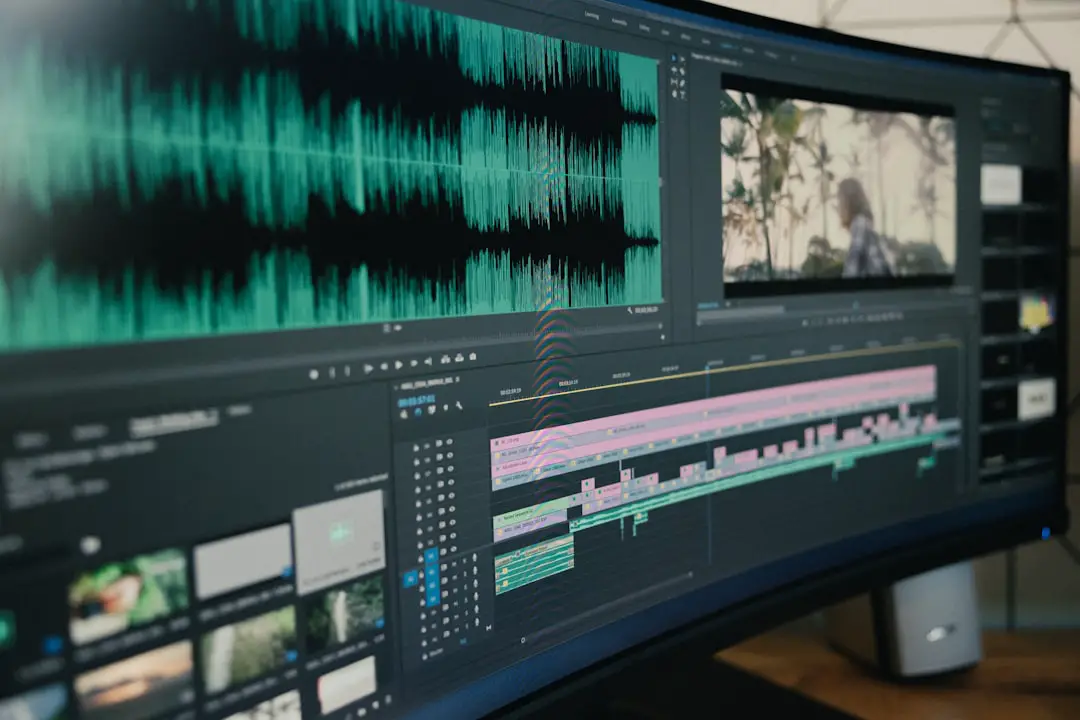
How to Write Better Scripts for AI Voiceovers
A realistic voice starts with a strong script. Text-to-speech tools perform best when the writing sounds natural. Instead of long, complex sentences, use short phrases that resemble spoken language. Read your script aloud before generating the voiceover. If it feels awkward to say, it will probably sound awkward when converted to speech.
Use punctuation intentionally. Commas create light pauses, periods create firmer stops, and line breaks can guide pacing. For dramatic or educational content, a well-placed pause can give viewers time to absorb the point. For short-form social media, faster pacing may work better, but avoid making the narration so quick that it becomes hard to follow.
It also helps to write with the platform in mind. A YouTube explainer can have a more relaxed opening, while a short social video needs an immediate hook. Compare these two approaches:
- Weak hook: “Today we are going to talk about some useful productivity tips.”
- Stronger hook: “If your to-do list keeps growing, these three habits can help you take back your day.”
The second version gives the voiceover more energy and gives viewers a reason to keep watching.
Best Practices for YouTube Videos
For YouTube, narration should support the video structure. Start with a clear intro, explain what viewers will learn, and keep the pacing steady. If the video is educational, avoid overwhelming the audience with too much information at once. Match the voiceover to visuals such as screen recordings, charts, captions, or b-roll footage.
Creators should also pay attention to retention. A monotonous voice can cause viewers to leave, even if the information is useful. Choose a voice with enough variation and use music carefully. Background music should add mood without competing with the narration. Keep it low enough that every word remains understandable.
Best Practices for Social Media Content
Social media videos need to earn attention quickly. Use text-to-speech to create strong opening lines, quick explanations, and memorable calls to action. Pair the narration with captions, because many users scroll with sound off at first. Captions also make your content more accessible and easier to watch in public places.
Keep scripts tight. A 30-second video does not need a long setup. Focus on one idea, one product benefit, or one story. If you have more to say, turn it into a series instead of squeezing everything into one clip.


Potential Drawbacks to Consider
Despite their advantages, text-to-speech tools are not perfect. Some voices still sound slightly artificial, especially with emotional storytelling, comedy, or highly expressive content. Mispronunciations can happen, and certain tones may feel generic if many creators use the same voice.
There is also a branding consideration. If your channel depends on personal connection, your own voice may build trust more effectively than synthetic narration. In those cases, text-to-speech can still be useful for drafts, translations, accessibility versions, or secondary content.
The Future of AI Voice Content
Text-to-speech technology is moving toward more expressive, customizable, and multilingual voice creation. Creators can expect better emotional control, more realistic pacing, and smoother integration with video editors. As these tools improve, the goal will not be to remove human creativity, but to make production easier and more flexible.
For YouTube and social media, the best results come from combining smart tools with thoughtful storytelling. A good text-to-speech platform can save time, but the creator still shapes the message, tone, structure, and visual experience. Used well, AI voiceovers can help you publish more consistently, reach wider audiences, and make your content sound polished without slowing down your workflow.