

Imagine this: It’s Monday morning. You wake up groggy, coffee in hand, and suddenly realize you’ve completely forgotten your team meeting. Again. Ugh!
That’s where scheduling apps come in — they’re here to save the day. And guess what? They’re getting smarter. With the power of artificial intelligence and adaptive design, your calendar could soon be managing itself.
TL;DR
Scheduling apps are evolving fast. AI is making them smarter, and adaptive design is making them more personal. Soon, these apps won’t just remind us — they’ll predict our needs. Say goodbye to missed meetings and hello to intelligent time management!
Why Current Scheduling Needs a Makeover
Here’s a common problem: calendars are rigid. They need us to plan everything manually. Meetings overlap, time zones confuse us, and we’re stuck juggling tabs like circus performers.
Even popular apps like Google Calendar or Outlook have their limits. They’re good at keeping things neat, but not great at being helpful.
That’s changing — fast.
AI is the New Calendar Assistant
Let’s get into the cool stuff. Artificial Intelligence (AI) is starting to transform how we plan and manage time. This isn’t just about smarter notifications. AI can:
- Analyze your behavior
- Notice patterns in your workflow
- Suggest the best times to schedule — or reschedule — meetings
Instead of you asking when to meet, your app might tell you.
Here’s an example: If an AI notices that your energy drops after lunch, it’ll stop booking important meetings in that window. Isn’t that cool?
Another big win? AI-based apps can talk to other software. They can sync with Slack, project tools, even your smart fridge if needed.


Meet the Features of Tomorrow
In the next few years, scheduling apps will feel more like a human assistant than software. Here are some features we can expect:
- Smart Recommendations: Not just blocks of time. Apps will suggest locations, durations, even agendas — all based on past behavior and preferences.
- Predictive Scheduling: The apps will read between the lines, noticing when a meeting is likely to run late or when you need a break.
- AI Negotiation: Too many people, too little time? AI bots will negotiate meeting times with each other automatically.
Adaptive Design: One App, Many Faces
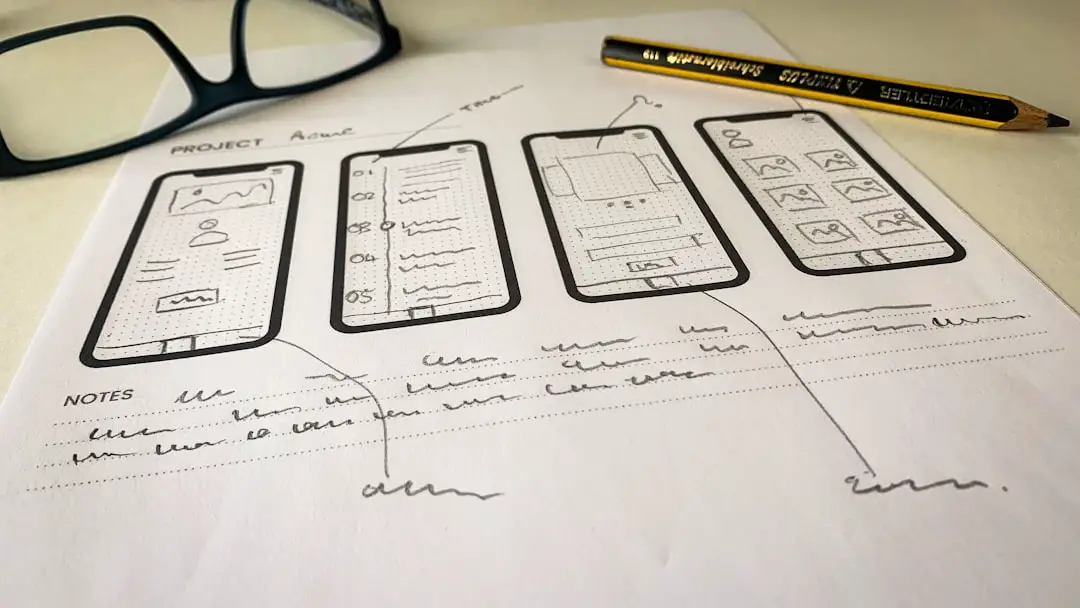
Let’s talk about something equally exciting: the look and feel of scheduling apps. Adaptive design is the idea that an app changes based on who’s using it, where, and how.
Think of it like digital mood lighting. If you’re rushing through your day on mobile, you get a clean, swipe-ready layout. If you’re planning a big project on your desktop, the full toolkit appears — charts, analytics, integrations, you name it.
The best part?
- It’s personal: Your app knows you. It knows your favorite color scheme, your busiest days, and who you avoid booking meetings with.
- It’s responsive: Whether on smartwatch, tablet, or VR headset — yes, that’s coming too — your calendar fits your world.

What Happens to Work-Life Balance?
Here’s something most of us care about: balance. Will smarter scheduling apps make us work more? Or will they help us live better?
Good news — AI wants to help.
AI can tell when you are overloaded. It might nudge you to take breaks, shift meetings, or decline appointments. Some apps already help detect burnout before it happens.
It’s not about doing everything. It’s about doing the right things at the right time.
Examples of Cool Innovations
You don’t have to look into the future — some apps are already starting to wow us.
- Reclaim.ai – Uses AI to automatically block time for tasks, lunch breaks, and even workouts.
- Clockwise – Reschedules meetings dynamically to optimize productivity hours.
- SavvyCal – Offers personalized scheduling links that adapt based on your preferences.
These apps are still evolving, but they offer a peek into what’s coming. Calendars that think, learn, and adapt — just for you.
What to Watch Out For
All this tech sounds great, but nothing’s perfect. Here are a few things we’ll have to manage as scheduling evolves:
- Privacy: AI needs data to learn. Apps must protect that data — or it could become a risk.
- Over-Automation: Bots are helpful, but they can’t replace human decisions. Sometimes, you need to say no — not your app.
- Over-Reliance: Rely too much on AI, and you might forget how to manage your own day.
It’s about balance. AI and adaptive tools should be your partner — not your boss.
What’s Next? A Glimpse Into the Future
The future of scheduling isn’t just on your phone or desktop. It could live in your smart glasses, be embedded into a VR world, or pop up as audio from your digital assistant.
Imagine saying, “Hey Calendar, move my 3 PM to Thursday” — and it happens. No tapping. No dragging. Just instant scheduling magic.
Think beyond dates. Your digital calendar can turn into a command center for your entire life.
Final Thoughts: Why It Matters
Time is precious. And time management is a skill — one that many of us struggle with. Smarter scheduling apps are here to help.
With AI and adaptive design, our tools are learning to work with us, not just for us. They make our days smoother, more balanced, and maybe even a little more fun.
So next time you miss a meeting, don’t blame yourself. Just ask: “Maybe it’s time I got an AI-powered calendar?”
Because the future of your schedule isn’t just organized — it’s intelligent.