

The smartest white label marketing partners are the ones that make another agency look bigger, faster, and more specialized without stealing the spotlight. They sit behind the curtain, handling SEO, paid ads, content, design, email, analytics, and client reporting under another company’s brand. For growing agencies, this can mean less hiring pressure, fewer missed deadlines, and stronger margins.
TLDR: A white label marketing power list is not about famous names; it is about the specialist teams that quietly deliver client work for other agencies. A small web agency, for example, may sell a $4,000 monthly SEO package and outsource fulfillment for $1,800, keeping a 55% gross margin while avoiding a full-time hire. The best partners offer clean reporting, clear turnaround times, and no awkward client-facing mistakes. The weak ones create rework, vague updates, and painful delays.
What Makes a White Label Agency Powerful?
A strong white label marketing agency does more than complete tasks. It protects the reseller’s reputation. Its team understands that the front-facing agency owns the client relationship, the strategy voice, and the final approval.
The best providers share a few traits:
- Reliable delivery: Work arrives on time, with few surprises.
- Clear scope control: Packages explain exactly what is included.
- Brand-safe communication: Reports, decks, and dashboards carry the reseller’s name.
- Specialist depth: Each service is run by people who do that work daily.
- Quiet professionalism: They do not chase the reseller’s clients or blur ownership.
For many agency owners, it feels like half the battle is just finding a partner that replies before the client starts asking hard questions. A provider that takes 48 hours to answer a basic reporting issue can turn a simple account into a weekly headache.


The White Label Marketing Power List
The agencies behind the scenes usually fall into several high-value categories. Each type solves a different growth problem for the front-facing agency.
1. White Label SEO Fulfillment Agencies
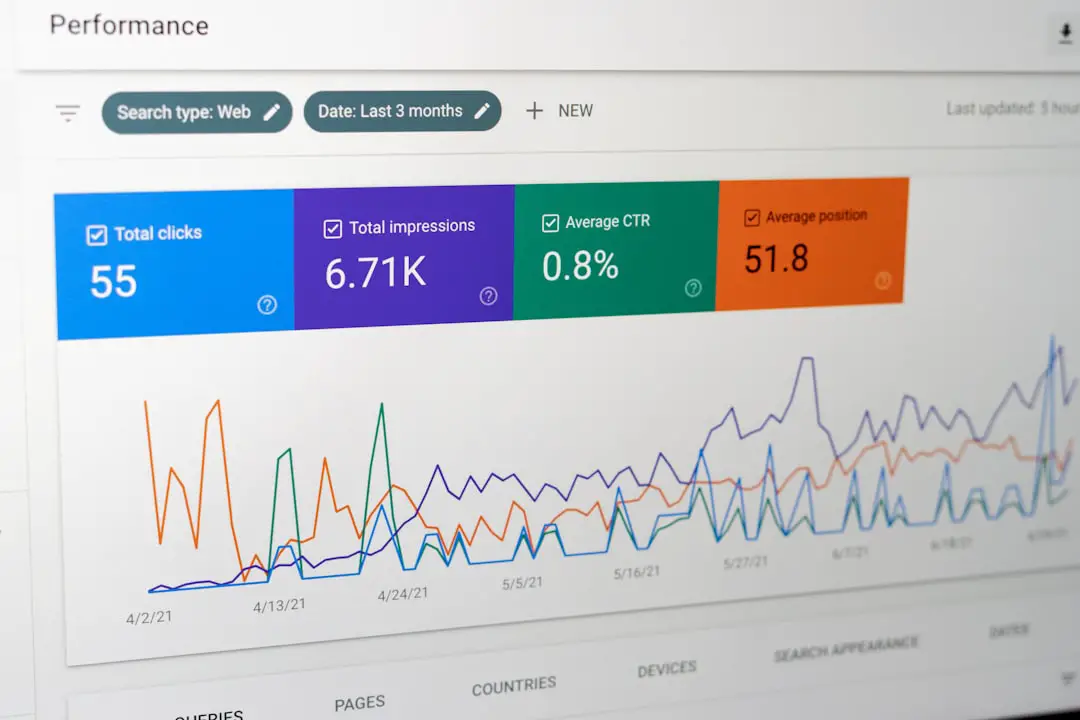
SEO fulfillment shops are often the backbone of white label marketing. They manage keyword research, technical audits, metadata, content briefs, link outreach, local SEO, and monthly ranking reports.
They work best for web design firms, PR agencies, and small marketing consultancies that sell SEO but do not want to build a full organic search department. The strongest SEO partners explain trade-offs clearly. They do not promise first-page rankings in 30 days, because that usually ends badly.
Best use case: A design agency launches 12 websites per quarter and wants to add recurring revenue through SEO retainers.
2. Paid Media White Label Teams
PPC and paid social teams manage campaigns across search, social, display, shopping, and retargeting channels. They handle setup, tracking, bidding, creative testing, and weekly optimization.
Good paid media partners obsess over numbers. Cost per lead, conversion rate, return on ad spend, wasted spend, and audience quality all matter. The weak providers hide behind vanity metrics like impressions and clicks. That gets old fast when the client wants sales.
Best use case: A branding studio has clients asking for Google Ads and Meta campaigns after a rebrand.
3. Content and Copywriting Production Agencies
Content partners write blog posts, landing pages, email sequences, case studies, white papers, sales pages, and social captions. Strong teams assign editors, check tone, and follow briefing systems.
The biggest risk is generic writing. Clients notice when every article sounds the same. A strong content partner uses intake forms, client notes, search intent, and brand examples before drafting.
Best use case: An SEO consultant needs 40 optimized articles per month but does not want to manage freelancers.
4. Social Media Management Providers
White label social media agencies create calendars, captions, graphics, reels, community replies, and monthly reports. They are popular with local marketing agencies and small business consultants.
They work well when the reseller sets expectations early. Social media is rarely a magic sales machine on its own. It supports visibility, trust, and retargeting. The provider should make that clear through reporting.
5. Email Marketing and Automation Specialists
Email partners build newsletters, lead nurture flows, abandoned cart sequences, onboarding emails, and reactivation campaigns. They also help with list segmentation, testing, and deliverability basics.
This category is powerful because email often produces measurable revenue. A retailer with 30,000 subscribers may recover thousands per month through better flows. Even a service company can turn old leads into booked calls with a simple five-email sequence.
Best use case: An ecommerce agency wants to offer retention marketing without hiring automation experts.
6. Web Development and Landing Page Partners
Some white label teams focus on site builds, landing pages, conversion fixes, speed improvements, and technical maintenance. They help creative agencies scale production without adding developers to payroll.
Honestly, it feels like some project tools make this harder than it should be. A simple task update can take 12 extra seconds per ticket when the portal is bloated. Across 80 tasks, that becomes real wasted time. The best development partners keep systems simple and documentation clean.
7. Analytics and Reporting Agencies
Reporting agencies build dashboards, tracking plans, attribution views, and monthly performance summaries. They help resellers prove value.
This category is underrated. Many agencies lose clients not because performance is terrible, but because results are hard to understand. A clean dashboard can turn scattered data into a client-friendly story.
Best use case: A full-service agency needs one reporting format across SEO, ads, email, and sales data.
How Agencies Choose the Right Behind-the-Scenes Partner
The right partner depends on margins, service quality, and client expectations. A reseller should compare providers using a simple scorecard rather than gut feel alone.
- Turnaround time: How long does the first draft, audit, or campaign setup take?
- Revision rules: How many edit rounds are included?
- Communication: Is the account manager fast, specific, and calm under pressure?
- Reporting: Are reports easy for clients to read?
- Confidentiality: Are client ownership rules written into the agreement?
- Margins: Can the reseller keep at least 40% to 60% gross margin?
A trial project is safer than a six-month commitment. A smart agency tests one campaign, one content batch, or one technical audit before moving key accounts across.

Common Risks in White Label Marketing
White label work can scale an agency, but it is not risk-free. The most common problems are poor quality control, missed deadlines, unclear ownership, and mismatched strategy.
The front-facing agency still needs an internal reviewer. Even strong providers need context. Someone must check whether the work fits the client’s offer, market, tone, and goals.
Pricing can also cause tension. If fulfillment costs creep up, margins shrink. If the reseller marks up weak work too heavily, client trust falls. The best model balances profit with quality.
Why These Agencies Stay Behind the Scenes
Many white label providers prefer fulfillment over direct client service. They avoid sales calls, strategy workshops, account drama, and brand positioning work. Instead, they build repeatable systems and serve agencies that already have clients.
This setup benefits both sides. The reseller grows service capacity. The provider receives steady work. The client gets broader service without dealing with multiple vendors.
FAQ
What is a white label marketing agency?
A white label marketing agency provides services that another agency sells under its own brand. The client usually does not see the fulfillment partner.
Which services are most common in white label marketing?
The most common services include SEO, paid ads, content writing, social media management, email marketing, web development, and analytics reporting.
Is white label marketing profitable?
Yes, when pricing is managed well. Many agencies aim for a 40% to 60% gross margin after paying the fulfillment partner.
How can an agency avoid poor white label partners?
It should start with a small test project, review sample reports, check communication speed, and confirm confidentiality rules in writing.
Do clients need to know about the white label provider?
That depends on the reseller’s contract and business model. Some agencies disclose specialist partners. Others keep fulfillment fully private, as long as service terms allow it.