

Start on Etsy if you need buyers now; build Shopify when you want more control. Etsy is like renting a booth at a busy craft fair. Shopify is like opening your own cute little shop on a sunny street. Both can work, but they solve different problems.
TLDR: Use Etsy for quick product testing and built-in traffic. Use Shopify when you have repeat buyers, a mailing list, or a clear brand. For example, if you sell 30 handmade candles at $24 each, Etsy may help you get seen faster, while Shopify may save money later if 60% of those buyers come from Instagram or email. A simple plan is this: start on Etsy, learn what sells, then send loyal fans to Shopify.
What can you make and sell?
Handmade products are fun because they feel personal. People are tired of bland stuff. They want items with a story, a scent, a texture, or a tiny bit of magic.
Here are popular things to make and sell online:
- Jewelry: clay earrings, beaded bracelets, wire rings.
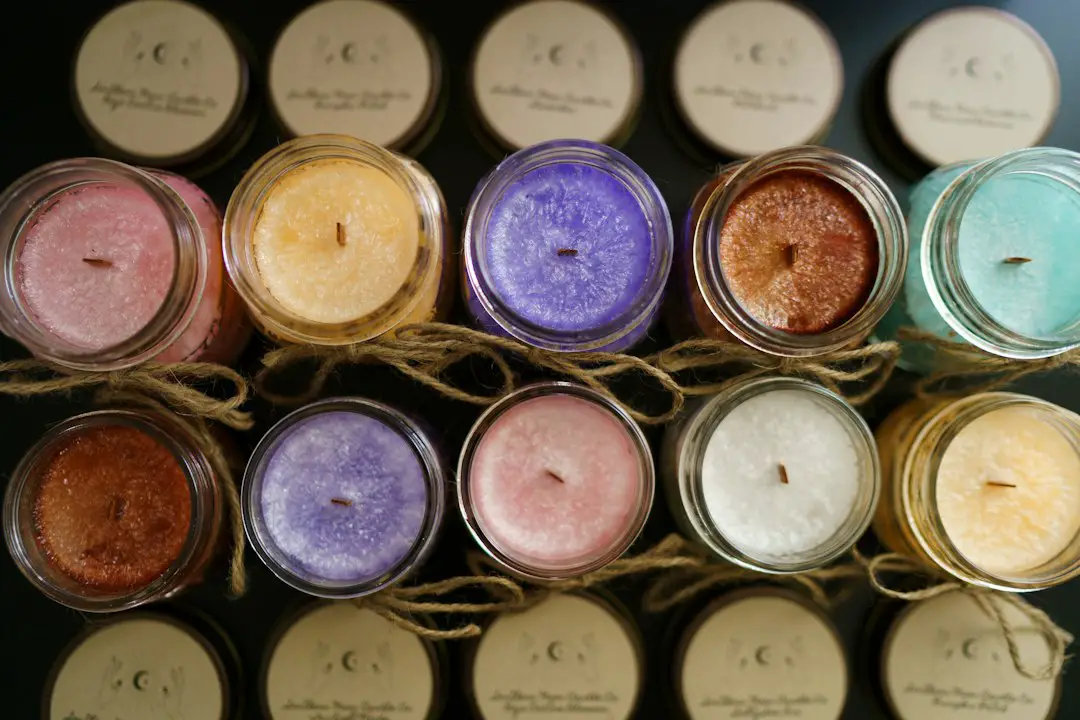
- Candles: soy candles, dessert candles, spell candles.
- Soap and bath goods: bath bombs, body butter, scrub bars.
- Home decor: wall art, pottery, crochet coasters.
- Paper goods: stickers, greeting cards, planners.
- Pet items: bandanas, collars, pet portraits.
- Textiles: knit hats, tote bags, baby blankets.
- Wedding items: favors, signs, custom invites.
The best product is not always the fanciest one. It is the one you can make well, ship safely, and repeat without crying into a glue gun.

Etsy: the busy craft fair
Etsy is made for handmade, vintage, and creative goods. Buyers go there already wanting something special. That is a huge perk.
If someone searches for “personalized dog bandana,” your product can appear right beside other similar items. You do not need to convince people that handmade is cool. They already get it.
Why Etsy is great
- Built-in shoppers: People are already searching.
- Easy setup: You can list a product fast.
- Trust is already there: Buyers know Etsy.
- Great for testing: You can see what gets clicks.
- Low starting cost: Listings cost little to publish.
Etsy is a smart first step if you are still asking, “Will strangers buy this?” That question matters. Your mom liking your macramé plant hanger is sweet. A stranger paying $38 plus shipping is better data.
What gets annoying on Etsy
The catch is that Etsy is crowded. Really crowded. Your embroidered sweatshirt may sit beside 200 similar ones. Some are cheaper. Some ship faster. Some shops have 8,000 reviews. Rude, but true.
Fees can also nibble at your profit. Etsy commonly includes a listing fee, a transaction fee, and payment processing fees. Ads can add more. Offsite ad fees may apply for some sales too. That $35 product can shrink fast.
It drives me crazy that one small shop task can turn into a click parade. Updating shipping details across many Etsy listings can feel slow. Not tragic. Just mildly soul-draining.
Shopify: your own online shop
Shopify lets you create a store under your own brand. You choose the look. You own the customer experience. You can build an email list, add bundles, run sales, and create a full brand world.
Think of Etsy as a market stall. Think of Shopify as your own store with your name on the sign.
Why Shopify is great
- More control: Your design, your layout, your rules.
- Better branding: Your shop feels like you.
- Email list growth: You can keep in touch with buyers.
- Flexible selling: Add bundles, subscriptions, upsells, and gift cards.
- Less direct competition: Buyers are not seeing rival listings beside yours.
Shopify is best when you can bring traffic yourself. That means Instagram, TikTok, Pinterest, email, markets, or word of mouth. If nobody visits, nobody buys. Sad little shop. Very clean. Very empty.

What gets annoying on Shopify
Shopify has a monthly fee. Apps can cost extra. Themes can cost extra. A simple “I just need a cute store” moment can become a tab explosion.
You also need to handle your own traffic. Shopify will not magically send shoppers. You must post, promote, email, pin, film, photograph, and remind people you exist. Expect to waste time testing things that flop. That is normal. Annoying, but normal.
Etsy vs Shopify: quick comparison
| Feature | Etsy | Shopify |
|---|---|---|
| Best for | New sellers and product testing | Growing brands and repeat buyers |
| Traffic | Built-in marketplace traffic | You bring the traffic |
| Brand control | Limited | High |
| Competition | High and very visible | Lower on your own site |
| Setup speed | Fast | Medium |
| Main pain | Fees and competition | Traffic and setup work |
A simple user case
Meet Lina. She makes polymer clay earrings. She starts with 20 designs on Etsy. Each pair costs her $4 to make. She sells them for $22.
In month one, she gets 1,200 views and 36 sales. That is a 3% conversion rate. Not bad. Her best sellers are tiny lemon earrings and pink flower hoops. Cute wins again.
By month three, 45% of her buyers mention they found her on Instagram. Now Shopify makes more sense. She opens a small store, adds a welcome discount, and collects emails. She still keeps Etsy open, because it brings new shoppers. Smart.
This is the cleanest path for many makers. Use Etsy to be found. Use Shopify to be remembered.
Which one makes more money?
It depends on traffic and margins. Sorry. Boring answer. Still true.
Etsy can make money faster because shoppers are already there. But fees and competition can cut into profit. Shopify can offer more profit per order over time, but only if you bring customers in.
Here is a simple way to think about it:
- If you have no audience, Etsy may be better first.
- If you have 1,000 engaged followers, test Shopify too.
- If you get repeat orders, build your own store.
- If your product needs custom forms or bundles, Shopify may fit better.
- If you sell seasonal gifts, use both during busy months.
Photos matter more than you want them to
Your product photos can make or break the sale. This is painful but fair. Online shoppers cannot touch your mug, smell your candle, or feel your scarf. Photos do the talking.
Use clear light. Show scale. Show packaging. Show the product being used. Add one close-up. Add one lifestyle shot. Add one photo that answers, “How big is this thing?”


Best strategy: use both, but not all at once
You do not need to build an empire by Tuesday. Start small.
- Pick 5 to 10 products. Keep them simple.
- Open Etsy first. Test names, prices, and photos.
- Track your numbers. Watch views, favorites, and sales.
- Improve winners. Drop slow items or change them.
- Build Shopify later. Add it when you know what people buy.
- Collect emails. This is your safety net.
A good beginner goal is 25 to 50 sales on Etsy. That gives you real feedback. After that, Shopify becomes less of a guess.
Final pick
If you are brand new, choose Etsy. It is easier, faster, and full of shoppers who already like handmade goods.
If you have an audience, choose Shopify. It gives you control and helps you build a real brand.
If you are serious, use both. Let Etsy bring fresh eyes. Let Shopify build loyalty. Keep your best sellers easy to find. Keep your photos bright. Keep your prices sane.
And please, price your time. Your hands are not a free machine. Your handmade work has value.