
Most people use Zoom for the basics: joining meetings, sharing screens, and clicking the mute button at the right time. But beneath its familiar interface lies a powerful suite of tools designed to boost productivity, enhance collaboration, and dramatically improve virtual communication. Many of these features remain underused—not because they lack value, but because users simply do not know they exist.
TLDR: Zoom offers far more than simple video meetings. From immersive collaboration tools like whiteboards and breakout rooms to powerful automation like meeting templates and advanced polling, several hidden features can transform how teams communicate. Learning to use these tools can improve engagement, save time, and make meetings significantly more productive. Here are seven Zoom features users should start using today.
1. Breakout Rooms with Pre-Assignment
Most users are familiar with Breakout Rooms, but fewer realize they can pre-assign participants before the meeting even begins. This eliminates awkward delays and manual room sorting during live sessions.
Pre-assigning works especially well for:
- Workshops and training sessions
- Classroom group activities
- Strategy meetings with defined teams
- Recurring project discussions
Meeting hosts can upload a CSV file with participant emails or manually assign attendees within the Zoom web portal. Once the meeting starts, rooms are ready instantly.
Image not found in postmetaWhy it matters: It saves valuable meeting time and creates a more professional, organized experience.
2. Advanced Polling and Quizzing
Basic polls are useful, but Advanced Polling unlocks significantly more interactive capabilities. Users can create:
- Single-choice and multiple-choice questions
- Matching questions
- Rank order polls
- Short-answer responses
- Quiz mode with correct answers and scoring
This turns passive attendees into active participants. Trainers, HR leaders, educators, and product teams benefit enormously from these features.
Pro tip: Poll results can be downloaded after the meeting for analysis, making them useful for feedback collection and data-driven decision-making.
3. Zoom Whiteboard (Beyond Screen Sharing)
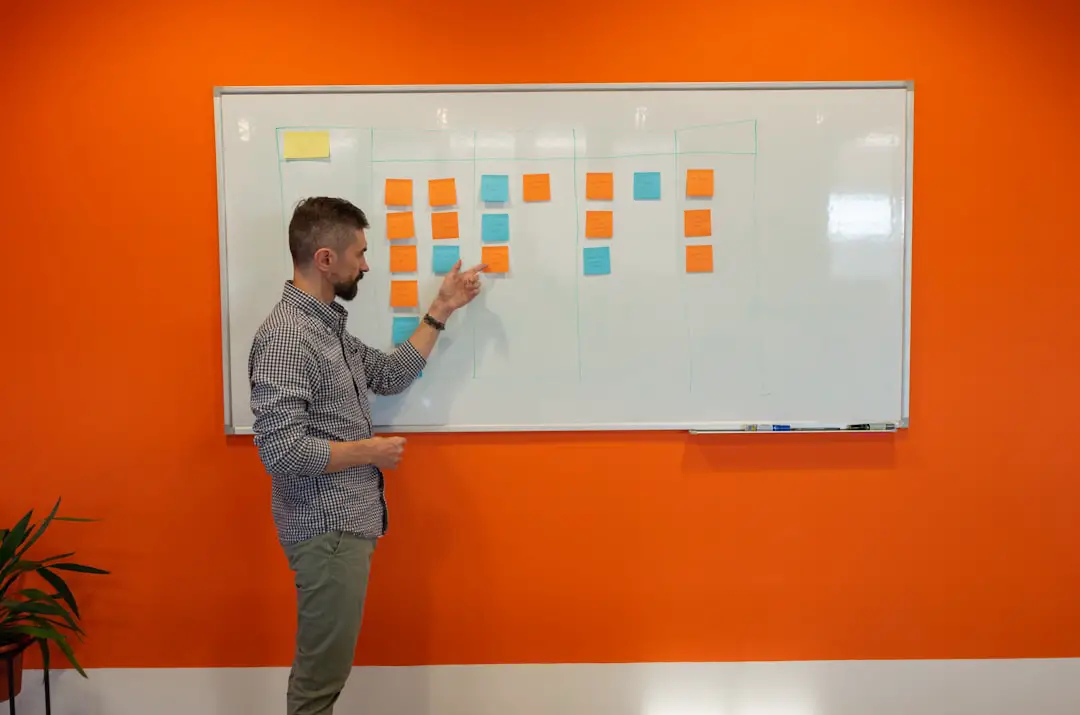
While many users share their screens, fewer tap into Zoom’s native Whiteboard feature. This tool functions as a digital brainstorming canvas with sticky notes, drawing tools, shapes, and collaborative editing.
Unlike basic screen annotation, Whiteboard allows ongoing collaboration—even outside scheduled meetings.
Teams can use it for:
- Mind mapping sessions
- Sprint planning
- UX wireframe brainstorming
- Project workflows

Why it stands out: Participants can contribute simultaneously, creating a dynamic, in-person whiteboard experience in a digital format.
4. Meeting Templates
Organizations that run recurring meetings—such as weekly syncs, training sessions, or onboarding calls—can save time using Meeting Templates.
Templates allow hosts to pre-configure:
- Security settings
- Waiting rooms
- Breakout room setups
- Automatic recording preferences
- Participant permissions
Instead of reconfiguring settings each time, users simply select a template and launch.
Supporting benefit: Templates ensure consistency across departments and reduce configuration errors.
5. Immersive View
Traditional gallery view places participants in uniform boxes. Immersive View changes that by placing attendees into a shared virtual background, such as a classroom, boardroom, or auditorium.
This feature is especially effective for:
- Online classes
- Panel discussions
- Team-building sessions
- Virtual events

Hosts can manually position participants or allow Zoom to arrange them automatically.
Impact: Meetings feel more cohesive and less fragmented than traditional grid layouts.
6. Live Transcription and Language Translation
Zoom’s Live Transcription automatically captions spoken dialogue in real time. This enhances accessibility for participants who:
- Are hard of hearing
- Speak English as a second language
- Are in noisy environments
In addition, Zoom now supports translated captions, enabling participants to read subtitles in different languages during meetings.
Participants can enable captions individually without disrupting others.
Why it is powerful: It promotes inclusivity and ensures key points are not missed.
7. Focus Mode
Designed originally for educational settings, Focus Mode prevents participants from seeing other attendees’ video feeds. Only the host remains visible.
This reduces:
- Visual distractions
- Self-consciousness among participants
- Off-task behavior in training sessions
Focus Mode works extremely well for:
- Corporate training
- Exams and assessments
- Webinars with participant interaction
Result: Attention remains on the speaker and content rather than on fellow attendees.
Feature Comparison Chart
| Feature | Best For | Primary Benefit | Skill Level Needed |
|---|---|---|---|
| Breakout Rooms (Pre-Assigned) | Workshops, classrooms | Saves time and improves organization | Intermediate |
| Advanced Polling | Training, feedback sessions | Increases engagement and data collection | Beginner to Intermediate |
| Whiteboard | Brainstorming, agile teams | Real-time visual collaboration | Beginner |
| Meeting Templates | Recurring meetings | Consistency and automation | Beginner |
| Immersive View | Virtual classrooms, panels | More cohesive meeting layout | Beginner |
| Live Transcription | Global teams | Accessibility and clarity | Beginner |
| Focus Mode | Training and assessments | Reduces distractions | Beginner |
Why These Features Matter More Than Ever
Remote and hybrid work environments demand more than just basic video calls. Teams must collaborate clearly, stay engaged, and operate efficiently across time zones and devices.
By incorporating even two or three of these features into regular meetings, organizations can:
- Shorten meeting durations
- Increase participation
- Reduce miscommunication
- Create stronger team cohesion
Zoom continues evolving beyond simple video conferencing. Users who explore its deeper toolset gain a significant productivity advantage.
Frequently Asked Questions (FAQ)
1. Are these Zoom features available on free accounts?
Some features, such as basic breakout rooms and whiteboard, are available on free plans. However, advanced polling, translated captions, and certain administrative controls may require paid subscriptions.
2. How can hosts enable Advanced Polling?
Advanced Polling must be activated in the Zoom web portal under account settings. Once enabled, hosts can create complex polls before or during meetings.
3. Does Immersive View affect meeting performance?
Immersive View may require slightly more processing power but generally performs well on modern devices. Participants with older hardware can switch back to Gallery or Speaker view.
4. Can Whiteboards be saved after meetings?
Yes. Zoom Whiteboards can be saved and accessed later for continued collaboration or documentation purposes.
5. Is Live Transcription accurate?
Zoom’s transcription is highly accurate for clear speech and strong internet connections. However, heavy accents, cross-talk, or background noise may reduce precision.
6. Can Focus Mode be turned on during a meeting?
Yes. Hosts can enable or disable Focus Mode at any time during an active meeting.
7. Which feature is best for increasing meeting engagement?
Advanced Polling and Breakout Rooms tend to have the most immediate impact on engagement because they encourage active participation.
Zoom is far more than a grid of faces on a screen. Hidden within its settings are tools capable of transforming ordinary virtual meetings into structured, inclusive, and highly productive collaboration sessions. Those who take the time to explore and implement these seven features will likely find their meetings shorter, smoother, and significantly more impactful.