

The FTSE 100 can look like a giant scoreboard for the UK economy. It moves up. It moves down. It makes people cheer, sigh, and check their phones again. On fintechzoom.com, FTSE 100 market news is often followed by investors, traders, and curious readers who want quick clues about money, jobs, prices, and business mood.
TLDR: The FTSE 100 is a key index of major UK listed companies. Its moves are shaped by interest rates, inflation, oil prices, banks, miners, retail sales, and global news. Updates from sites like fintechzoom.com can help readers understand what is moving markets and why it matters. The big idea is simple: when the FTSE 100 changes, it often tells a story about business confidence and the wider economy.
What Is the FTSE 100?
The FTSE 100 is an index. That means it is a basket of shares. It tracks 100 large companies listed on the London Stock Exchange.
These companies come from many sectors. There are banks. There are oil giants. There are miners. There are drug makers. There are supermarkets. There are luxury brands too.
Think of it like a team. Each company is a player. Some players are huge. Some score more points than others. When big companies move, the whole index can move with them.
This is why FTSE 100 news matters. It is not only about charts. It is about real companies. It is about jobs, prices, savings, pensions, and confidence.
Why People Watch fintechzoom.com FTSE 100 Updates
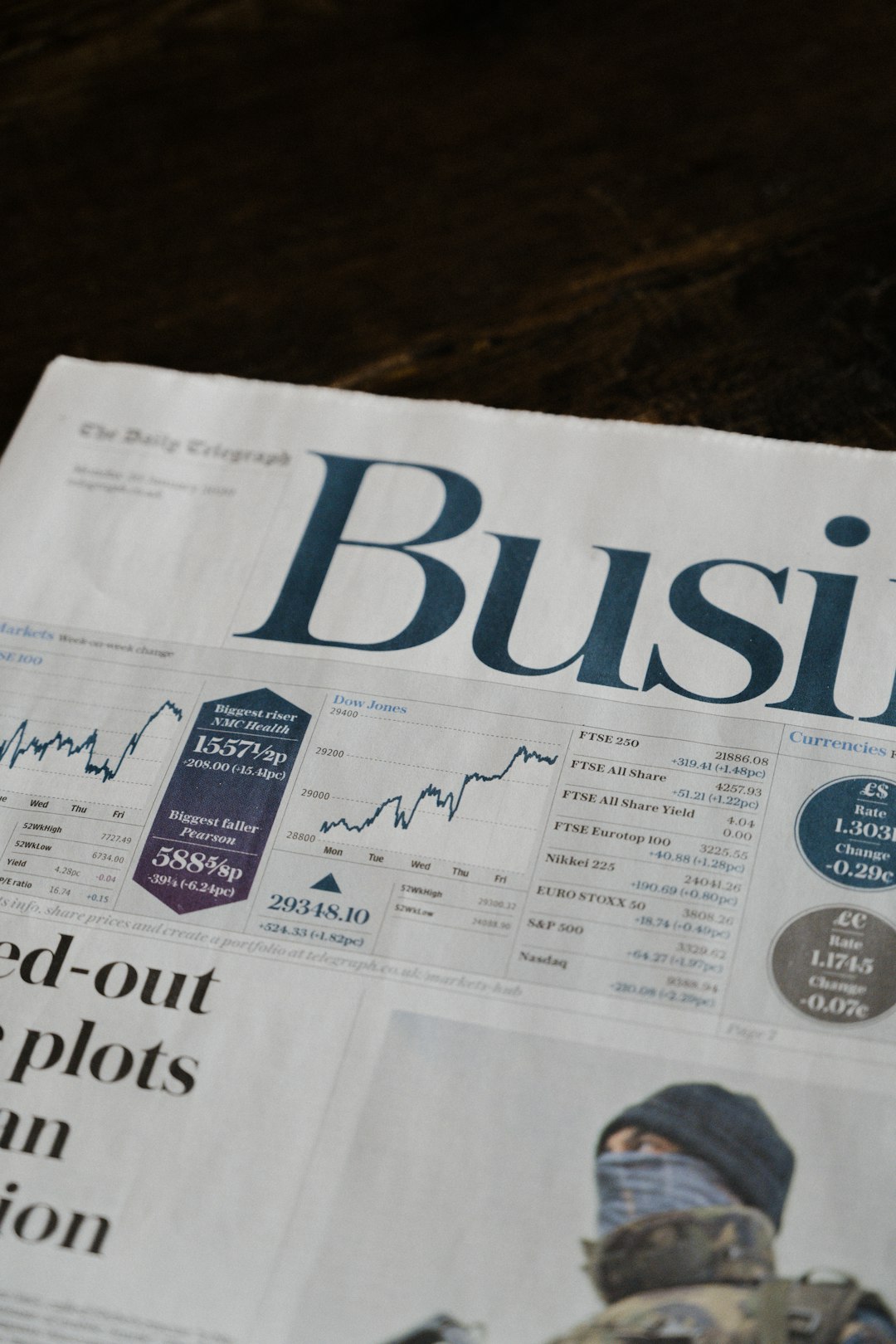
Market readers want speed. They want simple news. They want to know what changed and why. That is where fintechzoom.com FTSE 100 market updates can be useful.
Good market updates often answer three easy questions:
- What moved? Did the FTSE 100 rise or fall?
- Why did it move? Was it inflation, rates, earnings, or global news?
- Who moved it? Which companies or sectors led the change?
That sounds simple. But markets are messy. One day, oil stocks may lift the index. The next day, banks may drag it down. Then a surprise inflation report may shake everything like a fizzy drink.
Top FTSE 100 Market News Themes
FTSE 100 news usually follows a few big themes. These themes repeat often. They are like the main characters in a market movie.
1. Interest Rates
Interest rates are a big deal. They affect loans, mortgages, credit cards, and company borrowing costs.
When rates rise, borrowing gets more expensive. Consumers may spend less. Companies may slow investment. This can hurt shares.
When rates fall, the mood can improve. Loans become cheaper. Spending may rise. Investors may feel braver.
The Bank of England is watched closely. Every speech matters. Every inflation hint matters. Traders listen like detectives.
2. Inflation
Inflation means prices are rising. Food costs more. Energy costs more. Rent can cost more too.
For the FTSE 100, inflation can be both good and bad. Some companies can raise prices and protect profits. Others cannot. Retailers may struggle if shoppers cut back.
If inflation is too high, interest rates may stay high. That can worry investors. So inflation updates are always important.
3. The Pound
The FTSE 100 has many global companies. They earn money in dollars, euros, and other currencies.
When the pound falls, foreign earnings can look bigger when converted back into pounds. This can help some FTSE 100 companies.
When the pound rises, the opposite can happen. It can reduce the value of overseas earnings. Currency moves can be boring at first glance. But they can punch hard.
4. Oil and Energy
Energy companies carry a lot of weight in the FTSE 100. Oil prices can move the index quickly.
If oil prices rise, energy shares may climb. If oil prices fall, they may sink. Simple, right? Mostly. But there is always a twist.
Geopolitics can change oil prices fast. Supply cuts can push prices up. Weak demand can pull prices down. Markets never nap for long.

5. Banks and Finance
Banks are another major part of the FTSE 100 story. They care about rates, loan growth, bad debts, and deal activity.
Higher rates can help banks earn more from lending. But if rates get too high, borrowers may struggle. Then bad loans can rise. So banks like balance. They do not like chaos.
Financial stocks also react to global market mood. If investors feel calm, banks often do better. If fear rises, bank shares can wobble.
How Company Earnings Move the FTSE 100
Company results are like report cards. Investors check revenue, profit, debt, and outlook.
If a company beats expectations, its shares may rise. If it misses expectations, shares may fall. Sometimes the numbers are fine, but the outlook is weak. Then investors may still sell.
Here are things market watchers look for:
- Revenue growth: Is the company selling more?
- Profit margins: Is it keeping more money after costs?
- Debt levels: Is borrowing under control?
- Dividends: Is it paying investors?
- Guidance: What does management expect next?
FTSE 100 companies often pay dividends. This attracts income investors. Pension funds like this too. So dividend news can matter a lot.
Economic Impact of FTSE 100 Moves
The FTSE 100 is not the whole economy. But it gives useful clues.
If the index rises, it can show better investor confidence. If it falls, it may show worry. But do not panic over one red day. Markets have moods. Some are dramatic.
There are several ways FTSE 100 moves can affect the economy:
- Pensions: Many pension funds hold shares. A stronger market can support pension values.
- Business confidence: Rising shares can make companies feel stronger.
- Investment: Strong companies may spend more on growth.
- Jobs: Business strength can support hiring.
- Consumer mood: People may feel richer when investments rise.
Still, the FTSE 100 is global. Many companies earn more abroad than in the UK. So a rising FTSE does not always mean every UK household feels better.
Why Global News Hits the FTSE 100
The FTSE 100 is listed in London. But it lives in the world.
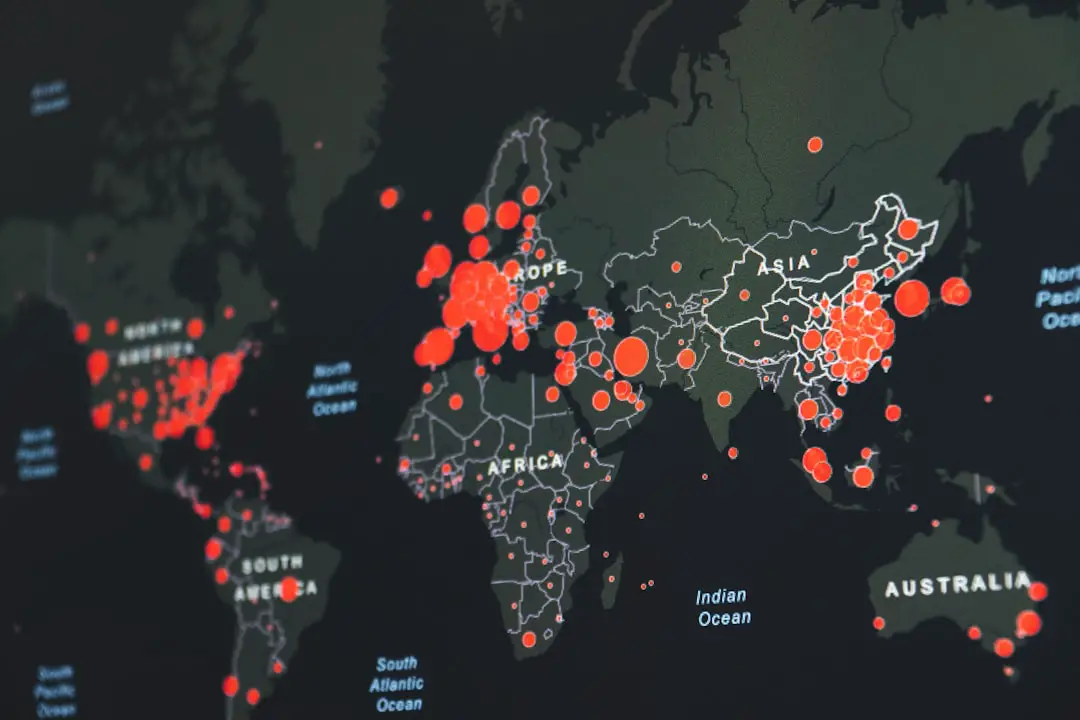
News from the United States can move it. News from China can move it. Oil decisions from major producers can move it. Wars, trade disputes, and elections can move it too.
China is especially important for miners. If China builds more, it needs more metals. That can help mining shares. If Chinese demand slows, miners can suffer.
The US matters because it is the largest economy. A strong US economy can lift global confidence. A weak one can spread fear. Markets are connected like a giant web.
Investor Mood: The Invisible Driver
Markets are not only numbers. They are also feelings.
Two big feelings rule markets. They are fear and greed. Fear makes people sell. Greed makes people buy. Sometimes both show up before lunch.
Investor mood can change because of headlines. It can change because of data. It can change because one big company says, “Things look harder ahead.”
This is why market news updates are popular. People want to understand the mood before the next move.
Simple Ways to Read FTSE 100 News
You do not need to be a Wall Street wizard. You can read FTSE 100 news with a simple checklist.
- Check the direction. Is the index up or down?
- Look at the leaders. Which shares are rising most?
- Look at the laggards. Which shares are falling most?
- Read the reason. Is it rates, inflation, earnings, or global news?
- Zoom out. Is this a one-day move or part of a bigger trend?
This keeps things simple. It also helps you avoid noise. Markets can shout. You do not have to shout back.
What Sectors Matter Most Right Now?
Several FTSE 100 sectors often grab attention.
Energy matters because oil and gas prices affect profits. Mining matters because metals link to global growth. Banks matter because rates and lending shape earnings.
Healthcare can be more defensive. People need medicine in good times and bad. Consumer goods can also offer stability. People still buy soap, tea, and toothpaste during market storms.
Retail can be more sensitive. If shoppers feel squeezed, retail shares may suffer. If wages rise and confidence improves, they may bounce.
How Inflation Updates Change the Story
Inflation reports can turn a calm market into a dance floor. Everyone moves at once.
If inflation falls faster than expected, investors may hope for lower rates. The FTSE 100 may rise. Rate-sensitive sectors may improve.
If inflation stays sticky, investors may worry. The Bank of England may keep rates higher for longer. That can pressure shares.
Sticky inflation is like gum on a shoe. Annoying. Hard to remove. Very noticeable.
How Jobs Data Matters
Jobs data is another big update. A strong jobs market means people are earning. That can help spending.
But if wage growth is too hot, it can add inflation pressure. Then the Bank of England may stay cautious.
So good news can sometimes be bad news. And bad news can sometimes be good news. Welcome to markets. Please keep your seatbelt on.
What About Recession Fears?
Recession fears can weigh on the FTSE 100. If investors expect slower growth, they may sell risky shares.
Demand may fall. Profits may shrink. Companies may delay hiring. Consumers may save instead of spend.
But some FTSE 100 companies handle downturns better. Defensive sectors may hold up. Global earners may benefit from stronger overseas demand.
Dividends: The Quiet Superstar
The FTSE 100 is known for dividends. Dividends are cash payments to shareholders.
They are not flashy. They do not wear sunglasses. But investors love them.
Dividends can help during slow markets. Even if share prices wobble, income can continue. But dividends are not guaranteed. Companies can cut them if profits fall.
Risks to Watch
No market is risk-free. The FTSE 100 has several risks worth watching.
- High interest rates can slow spending and borrowing.
- Weak global demand can hurt miners and exporters.
- Oil price swings can shake energy shares.
- Currency moves can change overseas earnings.
- Political uncertainty can affect confidence.
These risks do not mean disaster. They mean investors should stay alert. A calm investor is usually better than a panicked one.
What the FTSE 100 Can Tell Everyday Readers
You may not trade stocks. You may not own shares directly. The FTSE 100 can still matter to you.
It can affect pensions. It can reflect company confidence. It can hint at economic pressure. It can show how global events touch the UK.
When oil rises, energy bills may become a concern. When banks fall, credit worries may be growing. When retailers struggle, shoppers may be under pressure.
The index is like a weather report. It does not control the weather. But it tells you if clouds are forming.
Final Thoughts
The FTSE 100 is more than a number on a screen. It is a lively mix of companies, currencies, rates, profits, and global news. Updates from fintechzoom.com and similar market news sources can help readers follow the action in plain language.
The trick is to keep it simple. Watch inflation. Watch interest rates. Watch oil. Watch banks. Watch company earnings. Then look at the bigger picture.
Markets will always jump around. That is their hobby. But with a simple guide, the FTSE 100 becomes much less scary. It becomes a story. And once you know the characters, the story is much more fun to follow.