

For many years, the smartphone has been the star of modern life. It wakes us up. It guides us home. It holds our photos, money, messages, maps, and memes. But the biggest tech companies are now asking a wild question: what comes after the phone?
TLDR: Tech giants believe the future will not be ruled by smartphones alone. They are building smart glasses, AI assistants, wearables, mixed reality headsets, voice tools, and even brain-computer systems. The goal is simple: make technology feel less like a screen and more like a helpful friend around you. The next big shift is about natural human-computer interaction.
The phone is not gone. But it may stop being the center.
Do not worry. Your phone is not going to vanish tomorrow. It is still useful. It is still powerful. It still fits in your pocket. That is a big deal.
But phones also have limits. You must look down. You must tap tiny buttons. You must open apps. You must scroll. Then scroll again. Then wonder why you opened your phone in the first place.
Tech giants see this problem. They want computers to work in a more human way. They want computers to understand speech, movement, faces, eyes, habits, and context. In short, they want computers to fit into life, not pull us out of it.
This is why companies like Apple, Meta, Google, Microsoft, Amazon, Samsung, and Nvidia are exploring life beyond the smartphone.
Welcome to ambient computing
The big idea is called ambient computing. It sounds fancy. It is not that scary.
Ambient computing means computers are all around you. They are in your glasses. In your watch. In your car. In your home. In your earbuds. Maybe one day, even in your clothes.
You do not always need to touch them. You may talk to them. You may glance at them. You may wave your hand. You may simply walk into a room, and the system understands what you need.
Think of it like a helpful ghost. A very polite ghost. One that turns on lights, reminds you of meetings, translates signs, and tells you where you left your keys.


Apple wants the screen to float around you
Apple changed the world with the iPhone. Now it is looking past the flat screen.
The Apple Vision Pro is a major clue. It is a mixed reality headset. That means it blends digital objects with the real world. You can place apps in your room. You can watch movies on a huge virtual screen. You can see 3D content. You can work with windows floating in space.
Is it small and cheap? No. Not yet.
But first versions are often bulky. The first computers filled rooms. The first mobile phones looked like bricks. The first smartwatches were clunky. Over time, things shrink.
Apple may imagine a future where your phone becomes less important. Maybe your glasses become the main device. Maybe your watch handles health and quick tasks. Maybe your voice controls many things. The phone becomes just one part of a bigger system.
Apple’s goal is clear. Make digital life feel smooth, private, polished, and easy. In classic Apple style, it wants the technology to almost disappear.
Meta wants the metaverse to feel normal
Meta has made a huge bet on virtual reality and mixed reality. The company behind Facebook, Instagram, WhatsApp, and Quest headsets wants people to spend more time in digital worlds.
The word metaverse became a buzzword. Some people loved it. Some people rolled their eyes. Some people did both at the same time.
But Meta is still building. Its Quest headsets are popular for games, fitness, training, and virtual meetings. The company is also working on smart glasses. Some glasses can take photos, record video, play audio, and use AI to answer questions.
Imagine walking through a city while your glasses tell you about buildings. Or cooking while the glasses show the recipe. Or visiting a museum while an AI guide explains each painting.
Meta wants computers to become more social. Not just apps on a screen. More like shared spaces. You may hang out with friends as avatars. You may work with remote teammates inside a virtual room. You may play games that blend with your real living room.
It sounds strange now. So did video calls once.
Google is chasing the invisible assistant
Google has long dreamed of a computer you can simply ask. Search was step one. Voice search was step two. AI assistants are the next giant leap.
Google’s future vision is built around AI that understands context. Not just keywords. Not just commands. It wants AI to understand what you mean.
You may ask, “What is that building?” while looking at it through smart glasses. You may ask, “Summarize my day.” You may ask, “Find the email where Sam mentioned the budget.” The assistant should know what to do.
Google also has Android, Pixel phones, smart home products, Chrome, Maps, YouTube, and Gmail. That gives it many places to place AI. The future may not be one device. It may be a web of helpful services.
And yes, Google Glass came too early. People were not ready. The tech was not ready. The social rules were not ready. But the idea did not die. It took a nap.
Microsoft sees computers as co workers
Microsoft is thinking hard about the future of work. It believes AI will become a copilot. That word matters.
A copilot does not replace the pilot. It helps. It checks. It suggests. It handles boring tasks. It gives you more time to think.
Microsoft is putting AI into Windows, Office, Teams, Outlook, and developer tools. This changes how people interact with computers. Instead of clicking through menus, you may type or speak a request.
- “Make this report shorter.”
- “Turn these notes into slides.”
- “Find the main risks in this contract.”
- “Write code for this feature.”
This is a big shift. The computer becomes less like a machine with buttons. It becomes more like a partner with skills.
Microsoft also worked on HoloLens, a mixed reality headset. While HoloLens did not become a household gadget, it proved that hands-free computing can help in factories, hospitals, and training.

Amazon wants your home to listen and help
Amazon entered this future through the front door. Literally. Its smart speakers and Alexa devices live in millions of homes.
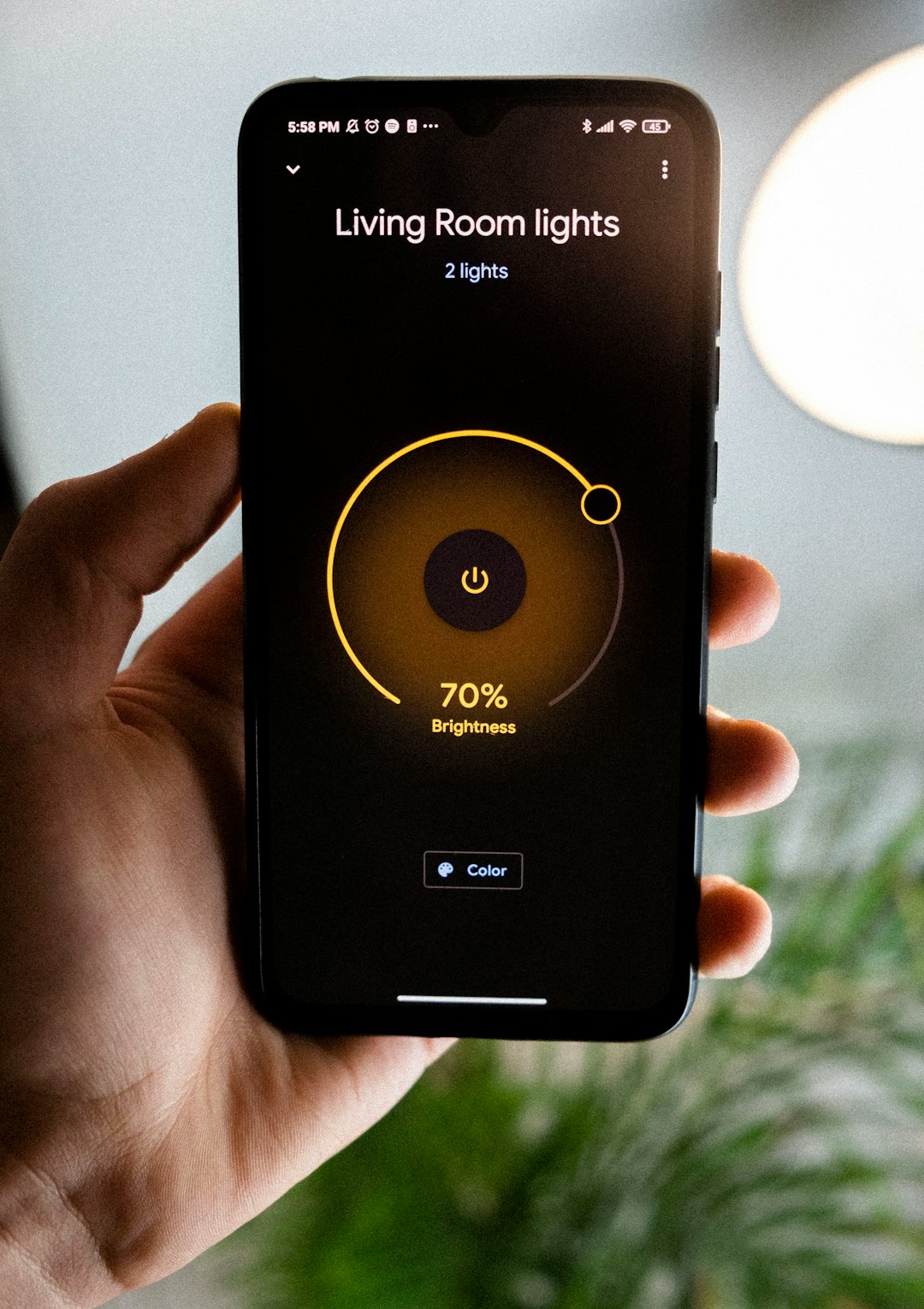
Alexa made voice control feel normal. You could ask for music. Set timers. Check weather. Add items to a shopping list. Control lights. It was simple and fun.
But voice assistants hit a wall. They often understood basic commands, but struggled with deeper conversation. New AI models may change that.
Amazon wants Alexa to become more natural. Instead of saying ten careful commands, you might say, “I’m having friends over tonight.” Alexa could dim lights later, suggest music, remind you to chill drinks, and help order snacks.
That is the dream. Less tapping. Less planning. More help.
Of course, this also raises privacy questions. If the home is smart, who controls the data? Who hears what? Who decides what is helpful and what is creepy?
The future home must be smart. But it must also be trustworthy.
Samsung wants all your devices to work together
Samsung makes phones, watches, TVs, appliances, tablets, chips, and more. That gives it a strong position in the post-smartphone world.
Its idea is simple. Your devices should feel connected. Your watch tracks health. Your TV shows workouts. Your fridge helps with food. Your phone connects everything. Your earbuds translate speech. Your home adjusts to your routine.
Samsung is also investing in AI features on phones and devices. This includes live translation, image editing, smart search, and helpful summaries.
The phone still matters here. But it becomes the remote control for a larger tech world.
Nvidia is building the engines behind the magic
Nvidia may not make the phone in your pocket. But it powers much of the AI boom.
Its chips are used to train and run advanced AI systems. These systems help create images, understand speech, drive robots, recommend videos, and power chatbots.
If the future is full of AI assistants, smart glasses, robots, and virtual worlds, they will need massive computing power. Nvidia sells the shovels in this gold rush.
The company also works on digital twins. These are virtual copies of real places, machines, or factories. Engineers can test things in a simulated world before building them in the real one.
That sounds nerdy. It is also very useful. It can save money, time, energy, and mistakes.
The interface is changing
For decades, humans adapted to computers. We learned keyboards. We learned mice. We learned touchscreens. We learned app icons. We learned settings menus that seem designed by puzzle villains.
Now computers are starting to adapt to us.
The next interfaces may include:
- Voice: Talk like you talk to a person.
- Gesture: Point, pinch, wave, or move your hands.
- Eye tracking: Look at what you want to select.
- Wearables: Use watches, rings, earbuds, and glasses.
- AI agents: Let software complete tasks for you.
- Mixed reality: Blend digital objects into the real world.
- Brain-computer interfaces: Control devices through signals from the brain.
That last one sounds like science fiction. But companies and researchers are already working on it. Brain-computer interfaces may help people with paralysis communicate or control devices. Over time, the technology may become more common.
Still, nobody wants random popups inside their brain. So let us move carefully.

AI agents may become the new apps
Today, we use apps for everything. One app for food. One for rides. One for banking. One for weather. One for notes. One for that thing you used once and never deleted.
In the future, AI agents may handle many tasks across apps.
You might say, “Plan a weekend trip under $500.” The agent could compare flights, hotels, weather, reviews, and your calendar. Then it could suggest a plan.
You might say, “Fix my schedule.” The agent could move meetings, send messages, and protect lunch time. Very important. Lunch is sacred.
This could make computing feel easier. But it also creates new risks. AI agents need permission. They need boundaries. They need to be accurate. A bad dinner recommendation is annoying. A bad bank transfer is a disaster.
What could go wrong?
The future sounds exciting. It also has problems.
- Privacy: Smart devices may collect lots of personal data.
- Security: More connected devices mean more targets for hackers.
- Cost: New gadgets may be expensive at first.
- Battery life: Tiny devices need power to be useful.
- Social comfort: People may not like cameras on faces everywhere.
- AI mistakes: Smart systems can still be confidently wrong.
- Screen overload: Floating screens everywhere could become exhausting.
So the best future is not just more technology. It is better technology. It should respect people. It should save time. It should reduce stress. It should not turn every wall, mirror, and toaster into an ad machine.
So what comes after smartphones?
The answer is not one magic gadget. It is an ecosystem.
Smartphones may stay with us for many years. But they may share the spotlight with glasses, watches, earbuds, home devices, cars, AI agents, and mixed reality systems.
The future computer may not look like a computer. It may look like glasses. It may sound like a voice. It may feel like a gentle tap on your wrist. It may appear as a floating screen. It may be a helpful AI that gets things done before you open an app.
The biggest tech giants are not just building new devices. They are building new ways for humans and computers to understand each other.
And if they do it right, the future may feel less like staring at a tiny rectangle all day. It may feel more like living in a world where technology quietly helps, then gets out of the way.
That is the real dream: not more screens, but more freedom. Not more tapping, but more doing. Not smarter phones, but a smarter world.