
In recent years, technological innovation has begun reshaping nearly every area of medicine, and women’s health is no exception. Among the most promising advancements is GyneCube, an automated diagnostic platform designed to transform the way gynecological infections are detected and managed. By combining automation, molecular biology, and high-precision testing, GyneCube represents a significant step forward in addressing long-standing challenges in women’s reproductive healthcare.
TLDR: GyneCube is an automated molecular diagnostic system designed to detect common gynecological infections quickly and accurately. It streamlines laboratory workflows, reduces human error, and delivers reliable results in a fraction of the time required by traditional methods. By improving early diagnosis and access to testing, GyneCube is helping modernize women’s healthcare and enhance patient outcomes.
For decades, diagnosing infections such as human papillomavirus (HPV), chlamydia, gonorrhea, and other reproductive tract conditions has relied on laboratory processes that can be time-consuming and resource-intensive. In many regions, limited access to skilled technicians and advanced facilities has contributed to delayed diagnoses. GyneCube addresses these limitations by introducing a compact, fully automated system capable of performing sophisticated molecular analyses within a streamlined platform.
What Is GyneCube?
GyneCube is a molecular diagnostic device designed specifically for the detection of infections affecting the female reproductive system. It integrates sample preparation, amplification, and detection into a single automated process. Unlike traditional laboratory equipment that may require multiple machines and manual handling, GyneCube operates with minimal hands-on intervention.
Image not found in postmetaBy automating critical steps, the platform significantly reduces the possibility of contamination or human error. The system uses nucleic acid amplification techniques to identify the genetic material of pathogens. This ensures highly accurate detection, even when infections are present at low levels.
Key features of GyneCube include:
- Fully automated operation, reducing manual intervention
- High sensitivity and specificity in pathogen detection
- Compact design suitable for clinics and hospitals
- Rapid turnaround time for patient results
These attributes make GyneCube particularly valuable in settings where efficiency, reliability, and patient throughput are essential.
Why Women’s Health Needed Innovation
Historically, women’s healthcare has faced underrepresentation in medical research and innovation. Many diagnostic processes were not specifically designed with women’s biological complexities in mind. Additionally, barriers such as stigma, limited access to screening programs, and inadequate infrastructure have hindered timely detection of gynecological conditions.
Infections like HPV are closely linked to cervical cancer, one of the leading causes of cancer-related deaths among women worldwide. Early detection is critical. Conventional screening methods such as Pap smears remain valuable but may require follow-up testing and laboratory analysis, prolonging the diagnostic cycle.
GyneCube supports earlier intervention by delivering molecular-level insights more quickly. This capacity is crucial for:
- Preventing progression of precancerous lesions
- Reducing transmission of sexually transmitted infections (STIs)
- Improving patient anxiety through faster results
- Enhancing efficiency in public health screening programs
By enabling high-volume and high-accuracy testing, GyneCube helps health systems shift from reactive treatment to proactive prevention.
How GyneCube Works
At its core, GyneCube relies on molecular diagnostics. After a clinician collects a sample—often a cervical or vaginal swab—the specimen is placed directly into the system. From there, automation handles the rest.
The process typically includes:
- Sample Preparation: Extraction of nucleic acids from the specimen.
- Amplification: Replication of target genetic sequences using advanced amplification technology.
- Detection: Identification of pathogen-specific markers through real-time analysis.
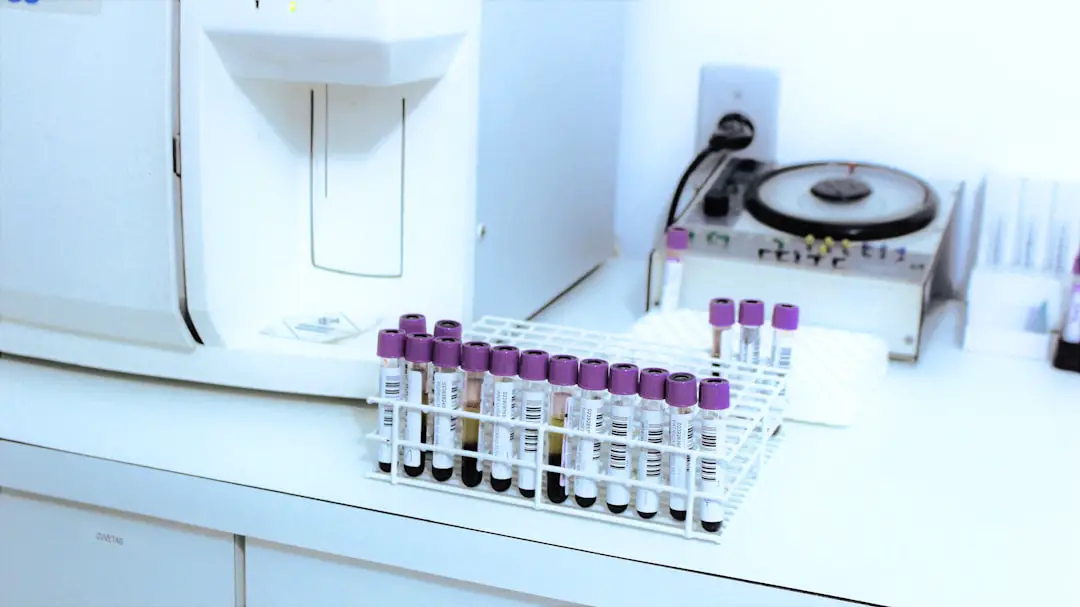
Because all of these steps occur within a sealed system, contamination risk is reduced. Automation also standardizes procedures across facilities, ensuring consistent performance regardless of operator experience.
This integration is particularly beneficial in busy clinical environments where laboratory staff may be limited. Instead of relying on multiple specialized machines, healthcare providers can depend on a single, user-friendly device.
Benefits for Patients and Providers
The introduction of GyneCube has meaningful implications for both patients and healthcare professionals.
For Patients
- Faster Results: Patients receive answers sooner, reducing uncertainty and stress.
- Improved Accuracy: Enhanced detection capabilities mean fewer false negatives.
- Earlier Treatment: Prompt diagnosis enables immediate care decisions.
- Greater Access: Compact systems can be deployed in diverse healthcare settings.
For Healthcare Providers
- Operational Efficiency: Streamlined workflows free up staff time.
- Standardized Testing: Consistent procedure reduces variability.
- Scalability: Suitable for screening programs and high patient volumes.
- Data Reliability: Molecular diagnostics provide clear, actionable information.
By bridging technological advancement with clinical practicality, GyneCube strengthens the overall healthcare ecosystem.
Impact on Cervical Cancer Prevention
One of the most profound applications of GyneCube lies in cervical cancer screening. Persistent infection with high-risk HPV strains is the primary cause of cervical cancer. Identifying these strains early allows healthcare providers to monitor patients closely or intervene when necessary.
Traditional cytology-based screening has reduced cervical cancer rates significantly in developed countries. However, achieving similar success globally remains a challenge due to infrastructure limitations. Molecular testing platforms like GyneCube can expand access to reliable HPV screening in underserved regions.

Additionally, automated systems reduce dependency on highly specialized cytotechnologists, who may be scarce in certain areas. This democratization of advanced diagnostics represents a meaningful step toward global health equity.
Addressing Accessibility and Equity
Women in rural or low-resource environments often face delays in diagnostic testing due to logistical and financial barriers. Shipping samples to distant laboratories can extend result times and increase the risk of lost follow-ups.
GyneCube’s compact format makes on-site testing feasible in smaller clinics. When combined with organized screening initiatives, this portability can dramatically improve participation rates and follow-through care.
Furthermore, minimizing wait times can reduce the psychological burden associated with uncertain diagnoses. For many women, waiting weeks for results can be distressing; rapid molecular testing offers reassurance or allows prompt treatment decisions.
The Future of Women’s Health Diagnostics
The development of GyneCube underscores a broader trend toward automation, precision medicine, and patient-centered care. As diagnostic technologies continue to evolve, integration with digital health records and artificial intelligence could further enhance efficiency.
Future advancements may include:
- Expanded panels covering additional pathogens
- Integration with telemedicine platforms
- Data analytics for public health surveillance
- Improved affordability for widespread adoption
As healthcare systems increasingly prioritize preventive strategies, reliable and scalable diagnostic tools will become indispensable. GyneCube provides a model of how targeted innovation can address gaps in care that have persisted for decades.
Conclusion
GyneCube symbolizes a significant leap forward in modern gynecological diagnostics. By automating complex laboratory procedures into a single, efficient system, it enhances accuracy, reduces turnaround time, and broadens access to essential testing. Its role in HPV detection and infection screening places it at the center of cervical cancer prevention strategies worldwide.
While no single technology can solve every healthcare challenge, GyneCube exemplifies how thoughtful design and molecular precision can elevate standards of care. As adoption expands, women across diverse communities stand to benefit from faster diagnoses, earlier treatments, and improved health outcomes.
Frequently Asked Questions (FAQ)
-
1. What conditions can GyneCube detect?
GyneCube is primarily used to detect infections affecting the female reproductive system, including high-risk HPV strains and other sexually transmitted infections, depending on the test panel utilized. -
2. How accurate is GyneCube compared to traditional methods?
Because it uses molecular diagnostic techniques to identify genetic material from pathogens, GyneCube offers high sensitivity and specificity, often exceeding conventional cytology-based screening methods. -
3. Is GyneCube suitable for small clinics?
Yes. Its compact, automated design makes it suitable for various clinical environments, including smaller facilities with limited laboratory infrastructure. -
4. Does GyneCube replace Pap smears?
GyneCube complements traditional screening methods. In many cases, molecular testing may be used alongside or as a primary screening tool depending on national guidelines. -
5. How does GyneCube improve patient experience?
By delivering faster and more reliable results, GyneCube reduces waiting times, supports early treatment decisions, and helps alleviate anxiety associated with prolonged diagnostic processes. -
6. Can GyneCube support large-scale screening programs?
Yes. Its automated and scalable nature makes it well-suited for high-volume screening initiatives, particularly in public health settings.