

Understanding how users interact with digital products has become a central concern for modern businesses. As websites and applications grow more complex, traditional analytics tools that focus solely on page views or bounce rates are no longer sufficient. Organizations increasingly rely on user session analytics platforms to visualize user behavior in granular detail, uncover friction points, and make data-driven improvements to digital experiences.
TLDR: User session analytics platforms provide deep visibility into how users interact with websites and applications. By visualizing real user sessions through heatmaps, session replays, and behavioral funnels, organizations can identify usability issues and optimize conversion paths. These platforms go beyond traditional metrics to reveal the “why” behind user actions. When implemented responsibly and strategically, they become essential tools for improving engagement, retention, and revenue.
What Are User Session Analytics Platforms?
User session analytics platforms are specialized tools designed to record, analyze, and visualize individual user interactions during a session. Rather than aggregating data into high-level metrics alone, these platforms capture detailed behavioral data such as clicks, scroll depth, cursor movements, navigation paths, and form interactions.
Unlike traditional analytics systems that primarily answer what happened, session analytics platforms help answer how and why it happened. They provide:
- Session replays that simulate a user’s journey
- Heatmaps showing areas of high and low engagement
- Scroll maps highlighting content visibility
- Conversion funnels illustrating drop-off points
- Error tracking for debugging usability issues
This level of insight empowers product teams, UX designers, marketers, and developers to align on actionable improvements.
Core Features and Capabilities
Modern user session analytics platforms offer a robust suite of capabilities designed to provide both macro and micro-level behavioral insight.
1. Session Replay
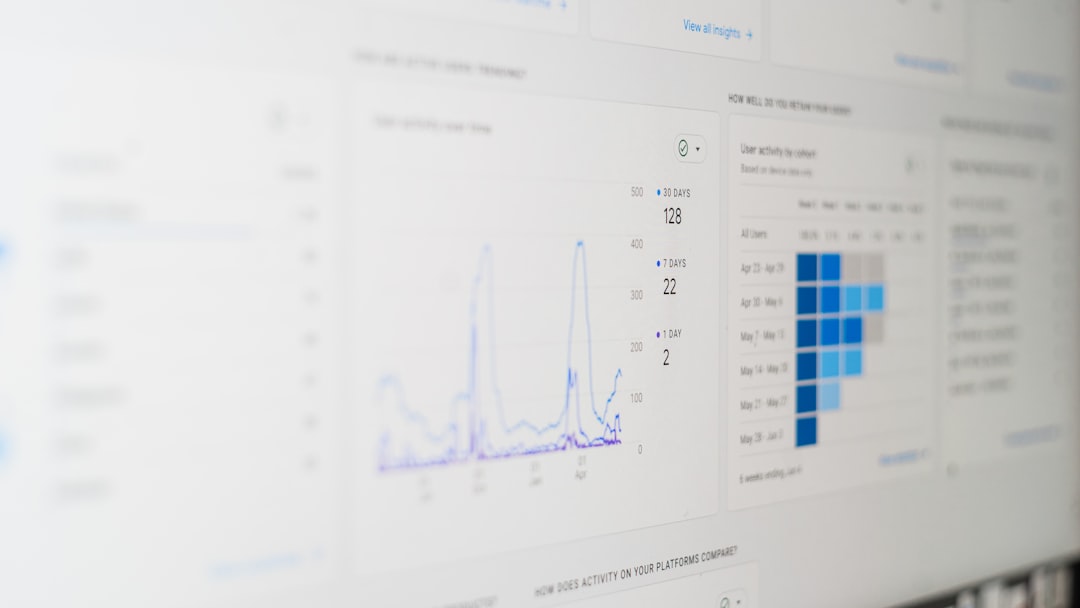
Session replay tools allow teams to watch anonymized recordings of real users interacting with their product. These recordings display clicks, taps, scrolling behavior, and navigation transitions.

This functionality is especially valuable for:
- Diagnosing usability issues
- Understanding unexpected drop-offs
- Observing confusion in form completion
- Investigating customer complaints
Instead of speculating about what went wrong, teams can witness the problem directly.
2. Heatmaps and Click Maps
Heatmaps visually aggregate user interactions across pages. Warmer colors indicate higher activity, while cooler colors suggest lower engagement.
Different types of heatmaps include:
- Click heatmaps – Show where users click most often
- Scroll heatmaps – Reveal how far users scroll down pages
- Movement heatmaps – Track cursor or touch movement patterns
Heatmaps make it immediately apparent whether key elements such as calls-to-action or navigation menus are attracting attention or being ignored.
3. Funnel Analysis
Funnels provide a structured way to monitor multi-step processes like checkout flows, sign-up sequences, or onboarding journeys. User session analytics platforms allow teams to:
- Visualize each step of a journey
- Measure conversion rates between steps
- Identify abandonment points
- Segment users by behavior or attributes
This helps isolate precisely where friction is occurring within conversion-critical paths.
4. Form Analytics
Forms are common failure points in digital experiences. Sophisticated platforms track:
- Field completion time
- Field abandonment frequency
- Error rates
- Repeated corrections
These insights surface design flaws such as unclear instructions, overly complex inputs, or unnecessary data collection.
Why Visualizing User Behavior Matters
Data visualization is not merely aesthetic; it enhances interpretation and accelerates decision-making. Visual representations of behavior make patterns immediately obvious and reduce reliance on guesswork.

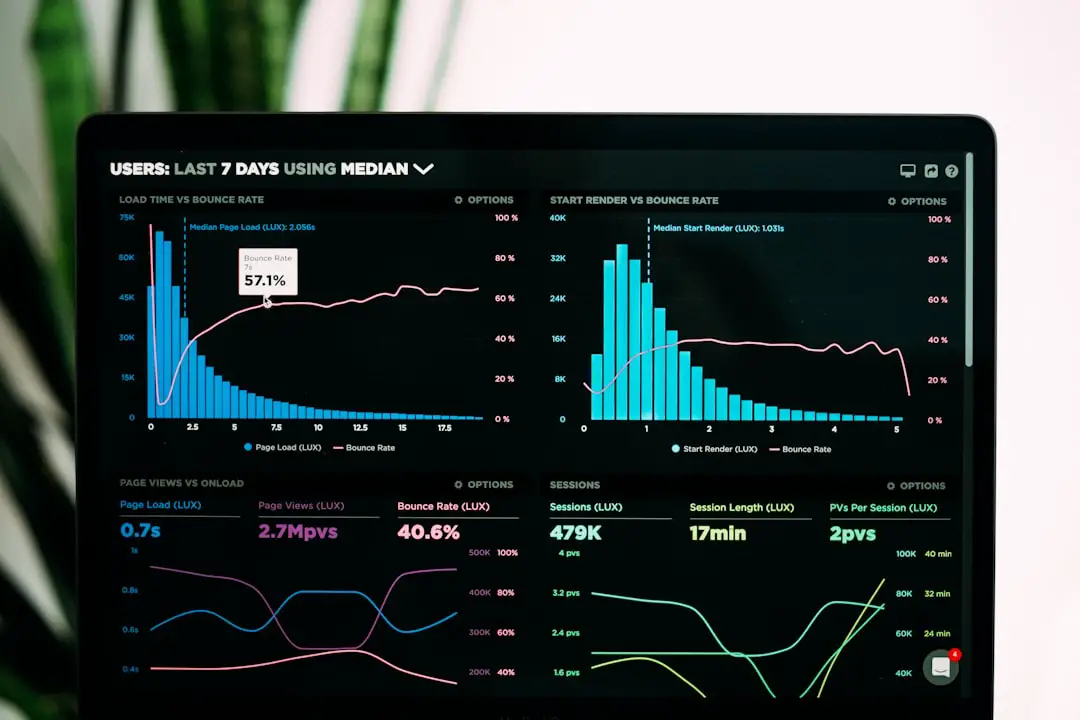
The benefits of visualization include:
- Faster insight generation – Patterns are easier to spot visually than in raw data tables.
- Cross-team alignment – Visual evidence bridges gaps between marketing, design, and engineering.
- Increased accountability – Recorded sessions provide objective proof of user experience issues.
- Improved prioritization – Teams can focus on high-impact friction points.
For example, a drop in conversions might initially appear to be a marketing issue. However, session replays could reveal a broken button or confusing layout change, redirecting efforts to the appropriate solution.
Business Applications Across Departments
User session analytics platforms support multiple business functions. Their value extends well beyond UX teams.
Product Development
Product managers use behavioral insights to validate feature adoption and test new workflows. Real-world behavioral data often challenges internal assumptions, enabling product roadmaps to be informed by evidence rather than intuition.
User Experience (UX) Design
Designers rely on heatmaps and session replays to refine layouts and improve navigation clarity. Instead of relying solely on usability testing sessions, they gain continuous real-user feedback at scale.
Marketing and Conversion Optimization
Marketing teams use session analytics to optimize landing pages and advertising funnels. By observing how traffic from different campaigns behaves, they can:
- Adjust messaging alignment
- Improve call-to-action visibility
- Refine audience targeting strategies
Customer Support
Support teams can review sessions tied to customer complaints. This reduces back-and-forth communication and accelerates issue resolution, improving overall customer satisfaction.
Implementation Considerations
While user session analytics platforms offer powerful insights, successful implementation requires careful planning and governance.
Data Privacy and Compliance
Responsible deployment must prioritize user privacy. Organizations should:
- Anonymize sensitive data
- Mask personally identifiable information
- Ensure compliance with regulations such as GDPR and CCPA
- Clearly disclose tracking practices in privacy policies
Ethical data handling builds trust and reduces legal risk.
Performance Impact
Session recording scripts must be lightweight to prevent slowing down page load times. Vendors typically optimize for minimal performance impact, but testing should always be conducted to confirm compatibility.
Data Overload Management
Recording every user session can generate enormous quantities of data. Effective teams leverage:
- Smart sampling strategies
- Error-triggered recordings
- Segmentation filters
- Automated event tagging
This ensures that analysis focuses on meaningful sessions rather than overwhelming teams with unnecessary data.
Emerging Trends in User Session Analytics
The field continues to evolve rapidly as technology matures and user expectations increase.

Artificial Intelligence Integration
Advanced platforms now incorporate AI-driven insights that automatically detect anomalies, highlight friction points, and suggest optimization areas. This reduces manual analysis time and uncovers patterns that may not be immediately obvious.
Cross-Device Journey Tracking
Users frequently transition between mobile devices, tablets, and desktops. Modern platforms aim to unify these interactions into cohesive journey maps, enabling a more accurate understanding of user behavior.
Real-Time Monitoring
Real-time analytics allow teams to detect issues immediately after deployment. This capability is particularly critical during product launches, marketing campaigns, or high-traffic events.
Predictive Behavioral Modeling
Some systems are moving beyond reactive analysis toward predictive modeling. By analyzing historical session data, platforms can estimate:
- Likelihood of churn
- Conversion probability
- Risk of checkout abandonment
This predictive capability transforms session analytics from a diagnostic tool into a proactive strategic asset.
Best Practices for Maximizing Value
To fully leverage user session analytics platforms, organizations should follow structured best practices:
- Define clear objectives before implementation.
- Integrate analytics with experimentation frameworks such as A B testing.
- Collaborate across departments to ensure insights lead to coordinated action.
- Regularly review findings rather than treating analytics as a one-time initiative.
- Continuously monitor privacy compliance as regulations evolve.
Without strategic alignment, even the most sophisticated tools risk underutilization.
Conclusion
User session analytics platforms have become indispensable in the digital economy. By illuminating real user behavior through detailed visualization tools, they enable organizations to refine user experiences with precision and confidence. The ability to observe interactions directly bridges the gap between abstract metrics and tangible user reality.
When implemented responsibly, these platforms drive measurable improvements in usability, engagement, and conversion performance. As artificial intelligence and predictive capabilities continue to mature, session analytics will increasingly shape product strategies and competitive differentiation. In a landscape defined by user expectations, the organizations that understand behavior most clearly will be best positioned to succeed.