

Managing suppliers can feel like juggling flaming torches. Emails fly in. Spreadsheets get messy. Deadlines sneak up on you. That’s where Vendor Management Software steps in. It brings order to the chaos. It helps businesses coordinate suppliers in one simple, organized space.
TLDR: Vendor Management Software helps businesses manage suppliers easily and efficiently. It keeps contracts, communication, payments, and performance tracking in one place. This saves time, reduces mistakes, and improves supplier relationships. If you work with multiple vendors, this software can make your life much simpler.
Let’s break it down in a fun and simple way.
What Is Vendor Management Software?
Vendor Management Software (VMS) is a digital tool. It helps companies manage their third-party suppliers. Everything is centralized. Everything is trackable. Everything is easier.
Think of it as a command center for all your suppliers.
Instead of:
- Searching old emails
- Updating messy spreadsheets
- Forgetting contract deadlines
- Manually tracking invoices
You get:
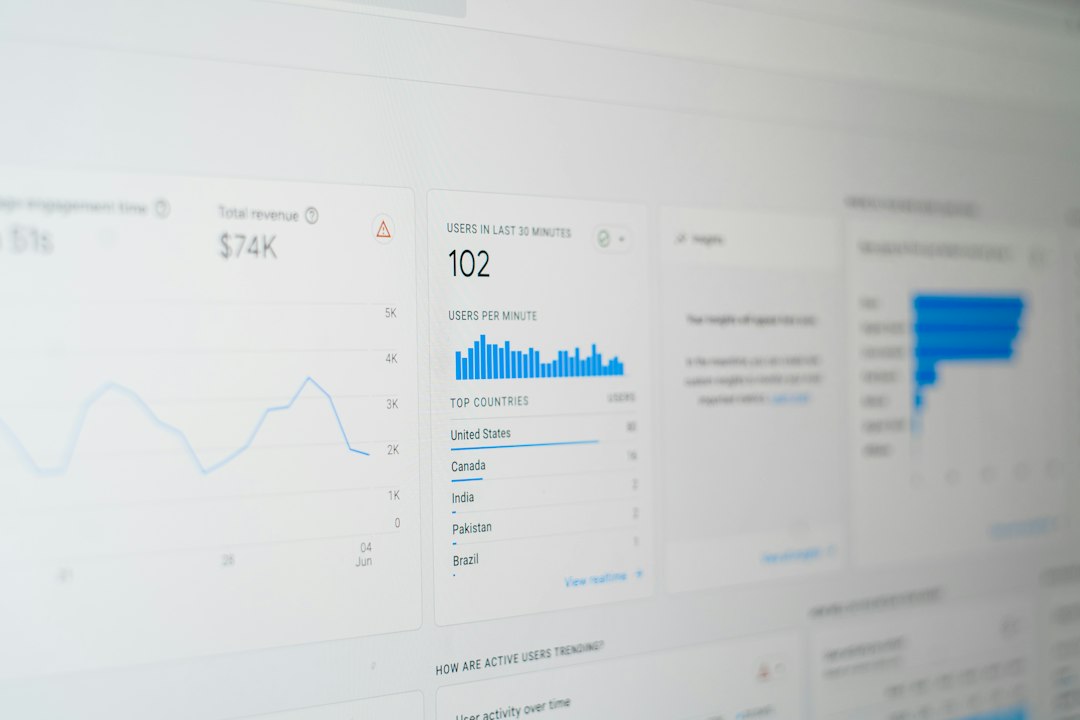
- One dashboard
- Clear communication
- Automated alerts
- Real-time performance tracking
It brings structure to supplier coordination.

Why Supplier Coordination Matters
Suppliers are the backbone of many businesses. They provide materials, services, technology, and logistics. If they fail, you feel it quickly.
Poor coordination can cause:
- Delayed deliveries
- Budget overruns
- Quality issues
- Communication breakdowns
- Compliance risks
Now imagine coordinating 10 vendors. Or 50. Or 200.
Without a system, it becomes overwhelming.
Vendor Management Software keeps everyone aligned. It creates clarity. And clarity means fewer surprises.
Key Features That Make Life Easier
Let’s look at the features that truly make a difference.
1. Centralized Vendor Database
All vendor information in one place:
- Contact details
- Contracts
- Tax documents
- Certifications
- Insurance records
No more digging through folders. Just search and find.
2. Contract Management
Contracts have start dates. End dates. Renewal clauses. Penalties.
Vendor software sends reminders before deadlines. You never miss a renewal again.
It can also store:
- Service level agreements (SLAs)
- Compliance documents
- Amendments
3. Communication Tracking
Instead of scattered emails, communication stays organized. You can:
- Log messages
- Track requests
- Assign tasks
- Monitor responses
This avoids the classic “I never received that email” problem.
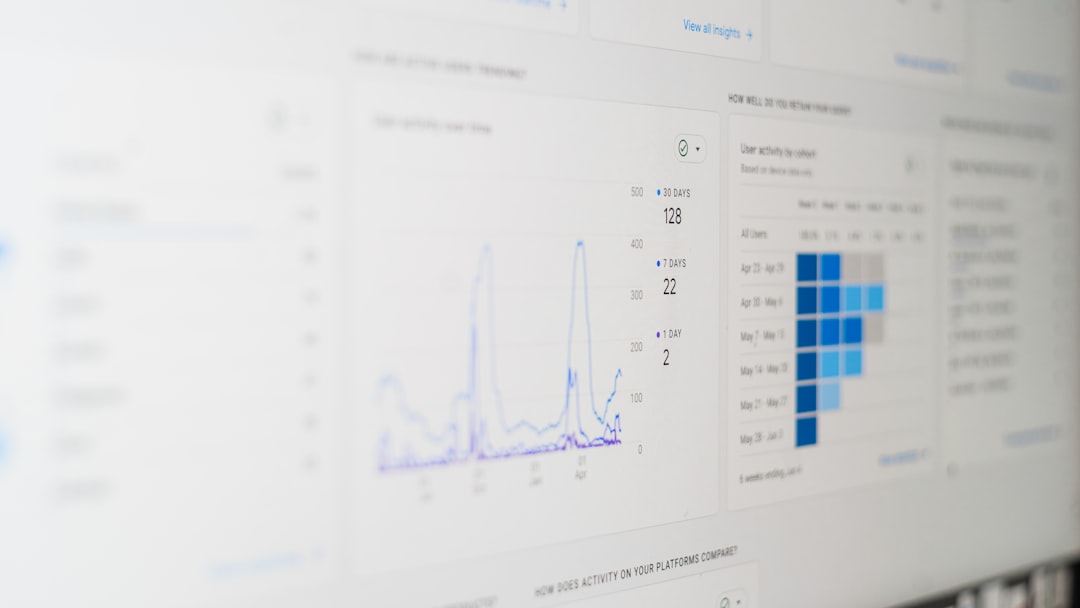
4. Performance Monitoring
You can measure supplier performance using:
- Delivery times
- Product quality scores
- Incident reports
- Cost consistency
It becomes easy to spot top performers. And underperformers.

5. Payment and Invoice Tracking
No more guessing what’s been paid.
The software tracks:
- Invoices received
- Payment deadlines
- Outstanding balances
- Approval workflows
This reduces accounting errors. And keeps vendors happy.
Benefits for Different Teams
Vendor Management Software isn’t just for procurement. It helps multiple departments.
Procurement Teams
- Compare vendor performance
- Negotiate better contracts
- Ensure compliance
- Reduce risk
Finance Teams
- Track spending trends
- Avoid duplicate payments
- Improve budget control
- Simplify audits
Operations Teams
- Monitor delivery timelines
- Resolve issues quickly
- Maintain production flow
Executives
- View high-level reports
- Identify cost-saving opportunities
- Make data-driven decisions
In short, everyone wins.
How It Improves Supplier Relationships
Good supplier coordination is not about control. It’s about collaboration.
When vendors have:
- Clear expectations
- Defined metrics
- Consistent communication
- On-time payments
They perform better.
Vendor Management Software creates transparency. Vendors know how they are being evaluated. They know what needs improvement.
This builds trust.
And trust leads to long-term partnerships.

Risk Management Made Simple
Working with vendors always carries risk.
- Financial instability
- Cybersecurity threats
- Regulatory non-compliance
- Supply chain disruptions
Vendor software can track risk levels. It can flag missing documents. It can alert you when certifications expire.
Some systems even include risk scoring.
This means fewer unpleasant surprises.
Automation: Your Secret Weapon
One of the biggest advantages is automation.
Imagine this:
- A contract is about to expire. You get notified automatically.
- A vendor misses a delivery deadline. The system logs it.
- An invoice exceeds the approved budget. It gets flagged.
Automation reduces manual work. It also reduces human error.
Less stress. More control.
Scaling Without the Headache
As businesses grow, supplier networks expand.
More vendors mean:
- More contracts
- More communication
- More paperwork
- More risk
Without software, complexity grows fast.
Vendor Management Software scales with you. Whether you manage 15 vendors or 1,500, the structure remains strong.
Common Challenges (And How Software Solves Them)
Challenge 1: Data scattered everywhere.
Solution: Centralized database.
Challenge 2: Poor supplier performance visibility.
Solution: Real-time performance dashboards.
Challenge 3: Contract compliance issues.
Solution: Automated reminders and document tracking.
Challenge 4: Payment delays.
Solution: Integrated invoice workflows.
Simple problems. Smart solutions.
What to Look for When Choosing Software
Not all Vendor Management Systems are created equal.
Here’s what to consider:
- User-Friendly Interface – It should be easy to learn.
- Customization Options – Your business is unique.
- Integration Capabilities – It should connect with accounting or ERP systems.
- Strong Reporting Tools – Data should be easy to understand.
- Security Features – Protect sensitive vendor data.
- Scalability – It should grow with your company.
Always request a demo. Test the workflow. Ask your team for feedback.
The Human Side of Vendor Management
It’s easy to think software replaces people. It doesn’t.
It supports them.
Vendor coordination is still about relationships. It’s about negotiation. It’s about collaboration.
The software simply removes friction.
It handles:
- Data storage
- Tracking
- Reporting
- Alerts
So your team can focus on strategy.
Real-World Example
Imagine a manufacturing company working with 120 suppliers worldwide.
Before using Vendor Management Software:
- Contracts were stored in filing cabinets.
- Performance reviews happened once a year.
- Invoices were manually matched.
- Late deliveries were discovered too late.
After implementing software:
- All supplier data became searchable.
- Performance was tracked monthly.
- Invoice approvals were automated.
- Risk alerts were proactive.
The result?
Lower costs. Faster decision-making. Stronger supplier partnerships.
Final Thoughts
Supplier coordination does not have to be chaotic.
Vendor Management Software brings structure, transparency, and efficiency. It centralizes information. It automates routine tasks. It improves communication. And it reduces risk.
In today’s fast-moving business world, clarity is power.
If your vendor network is growing, or if coordination feels overwhelming, it may be time for a smarter system.
Because when your suppliers run smoothly, your entire business runs better.
Simple tools. Strong relationships. Better results.