

In marketing, GEOP is most often used as shorthand for geographic positioning or geographic optimization. It describes the practice of using location-based information to shape messaging, advertising, content, pricing, offers, and customer experiences. Although the exact meaning can vary by company or platform, GEOP generally points to one central idea: marketing becomes more relevant when geography is taken into account.
TLDR: GEOP usually refers to geographic positioning or geographic optimization in a marketing context. It helps brands tailor campaigns based on where customers live, shop, travel, or search. Businesses use GEOP for local SEO, targeted ads, regional content, store promotions, and market expansion. Its value comes from making marketing feel more timely, local, and relevant.
What Does GEOP Mean?
GEOP is not a single universal acronym with one official definition across all industries. In marketing, however, it is commonly interpreted as a location-focused strategy connected to geo targeting, geo personalization, geographic segmentation, and local market optimization.
At its simplest, GEOP means using geographic data to make smarter marketing decisions. A brand may adjust a campaign for customers in a specific country, region, city, neighborhood, or even a small radius around a physical store. This approach recognizes that customers in different places often have different needs, habits, cultures, climates, budgets, and buying triggers.
For example, a clothing retailer may promote winter coats in colder regions while promoting lightweight apparel in warmer areas. A restaurant chain may advertise different menu items based on local tastes. A software company may localize landing pages for different countries and use region-specific customer testimonials. In each case, GEOP helps the marketing feel less generic and more connected to the customer’s real environment.

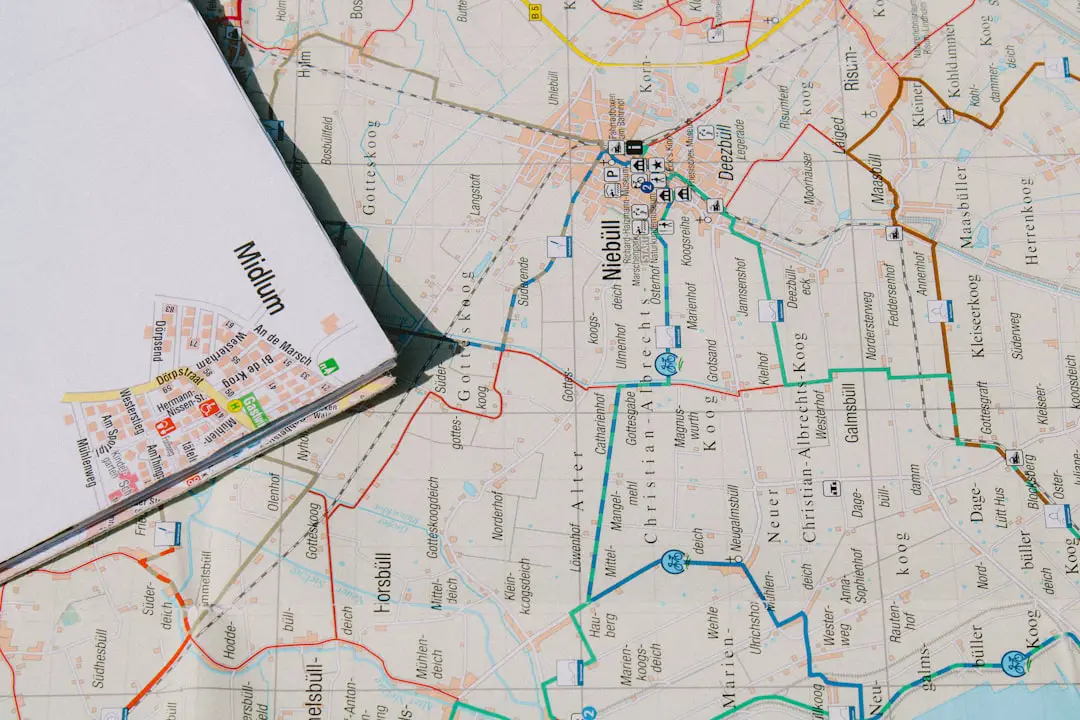
How GEOP Works in Marketing
GEOP relies on collecting and interpreting geographic signals. These signals can come from many sources, including website analytics, search behavior, delivery addresses, store locations, mobile devices, ad platforms, customer profiles, and sales data. Once location data is available, marketers can group audiences by place and create campaigns that match local intent.
A GEOP strategy usually involves several steps:
- Location identification: determining where customers, prospects, and high-value markets are located.
- Segmentation: grouping audiences by country, region, city, postal code, store radius, or market area.
- Message customization: adapting copy, visuals, offers, and calls to action for each location.
- Channel selection: choosing the right platforms, such as local search, paid social, maps, email, or outdoor media.
- Performance tracking: measuring location-based results, including visits, conversions, revenue, calls, and store traffic.
The goal is not simply to know where a customer is located. The goal is to understand how that location affects motivation. A person searching for “emergency plumber near me” has a different intent from someone reading a national home improvement blog. GEOP helps marketers respond to these differences with more precision.
Key Marketing Applications of GEOP
1. Local SEO and Search Visibility
One of the most important applications of GEOP is local search optimization. Businesses with physical locations use geographic signals to appear in searches such as “near me,” “open now,” or “best coffee shop in Chicago.” Local SEO may include optimizing business listings, location pages, reviews, map visibility, and locally relevant website content.
For service businesses, GEOP can also support city-specific or region-specific landing pages. These pages can include local testimonials, service areas, directions, regional pricing details, and content that reflects the needs of that local audience.
2. Geo Targeted Advertising
GEOP is widely used in paid advertising. Platforms can serve ads to people based on country, city, radius, postal code, or proximity to a business location. This helps marketers avoid wasting budget on audiences that are outside the service area or unlikely to convert.
For example, a gym opening a new location may run ads only within a few miles of that facility. A tourism board may target people in colder regions with ads for warm-weather vacations. A local dealership may promote weekend offers to shoppers within driving distance. In each case, GEOP increases relevance and can improve return on ad spend.

3. Personalized Content and Offers
GEOP also supports personalized customer experiences. A website may automatically show different banners, products, store information, or shipping messages based on a visitor’s location. Email campaigns may feature nearby events, region-specific promotions, or local inventory.
This type of personalization can be especially useful for retail, hospitality, real estate, healthcare, education, and events. A customer is more likely to engage when the message reflects a nearby opportunity rather than a broad national promotion.
4. Regional Product Strategy
Not every product performs equally in every market. GEOP can help companies evaluate where products sell best, where demand is growing, and where messaging needs adjustment. Sales data may reveal that certain flavors, styles, packages, or service plans appeal more strongly in particular regions.
With this insight, marketing teams can refine product positioning. They may create regional campaigns, adjust inventory, feature different benefits, or test new offers in selected markets before expanding more widely.
5. Market Expansion Planning
GEOP can guide expansion decisions by showing where demand already exists. A business may analyze website traffic, search volume, competitor presence, customer inquiries, delivery patterns, or social engagement by location. These signals can help identify promising markets for new stores, sales territories, events, or distribution partnerships.
Instead of expanding based only on assumptions, a company can use GEOP data to prioritize places with measurable interest and commercial potential.
Benefits of GEOP
GEOP offers several advantages for marketing teams and businesses:
- Higher relevance: campaigns can reflect local needs, culture, weather, events, and buying behavior.
- Better budget efficiency: ad spend can focus on locations with stronger conversion potential.
- Improved customer experience: customers see information that is more useful to their situation.
- Stronger local presence: businesses can compete more effectively in search results and community markets.
- Actionable insights: location data can reveal where demand is rising or declining.
When executed well, GEOP helps a brand appear more aware of its audience. It turns location from a basic data point into a strategic marketing advantage.
Challenges and Best Practices
Although GEOP is powerful, it requires careful execution. Poorly managed location data can lead to irrelevant targeting, privacy concerns, duplicated content, or inconsistent brand experiences. Marketers should use reliable data sources and avoid making assumptions based only on broad regional stereotypes.
Privacy is also important. Location-based marketing should follow applicable data protection laws and platform policies. Customers should receive transparent information about how data is collected and used, especially when mobile location or personalized advertising is involved.
Best practices include:
- Keeping data clean: outdated addresses, incorrect service areas, or duplicate listings can damage performance.
- Testing local messages: campaigns should be measured by region to see what actually works.
- Balancing scale and personalization: local content should be specific enough to matter but manageable enough to maintain.
- Maintaining brand consistency: regional campaigns should still feel connected to the larger brand identity.

Why GEOP Matters
Modern customers often expect fast, relevant, location-aware experiences. They search for nearby solutions, compare local options, and respond to messages that match their immediate context. GEOP helps brands meet that expectation by aligning marketing with place-based intent.
For small businesses, GEOP can improve visibility in the communities they serve. For larger companies, it can make national or global campaigns feel more local. For digital-first brands, it can reveal geographic demand patterns that influence content, advertising, partnerships, and expansion.
In short, GEOP matters because location still shapes behavior. Even in digital marketing, where campaigns can reach people anywhere, the customer’s place in the world often affects what they need, when they need it, and which brand they trust.
FAQ
What does GEOP stand for?
In marketing, GEOP commonly refers to geographic positioning or geographic optimization. The exact meaning may vary by organization, but it usually involves using location data to improve marketing relevance.
Is GEOP the same as geo targeting?
Not exactly. Geo targeting is usually a tactic, such as showing ads to people in a specific area. GEOP is broader and can include targeting, local SEO, regional content, market analysis, and location-based personalization.
Which businesses benefit from GEOP?
Retailers, restaurants, service providers, franchises, real estate firms, healthcare providers, event companies, tourism brands, and ecommerce businesses can all benefit from GEOP. Any organization with location-based customer behavior can use it.
How is GEOP used in SEO?
GEOP supports SEO through local landing pages, optimized business listings, map visibility, regional keywords, customer reviews, and location-specific content. It helps businesses appear for searches tied to a place or service area.
Why is GEOP important in advertising?
GEOP helps advertisers spend budget in the most relevant locations. It can improve ad performance by matching offers, messages, and promotions to audiences based on where they are or where they are likely to buy.