
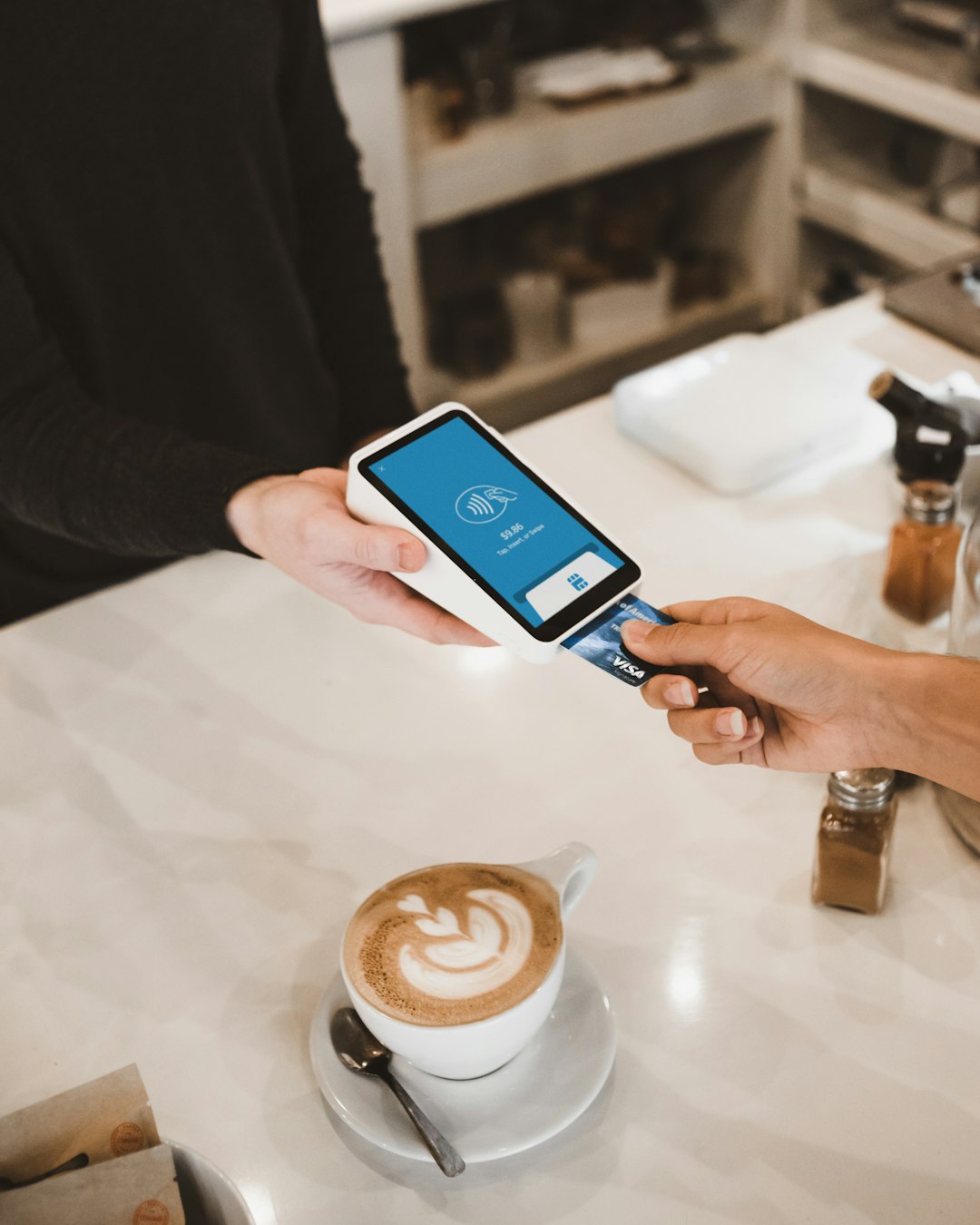
A CPN number is not a legal shortcut to better credit. It is usually sold as a “Credit Privacy Number” or “Credit Profile Number,” but the big promise is shaky at best and dangerous at worst. The FTC warns that offers to create a “new credit identity” can involve fraud or stolen Social Security numbers [source: FTC].
TLDR: A CPN is a nine-digit number some companies claim you can use instead of your Social Security number on credit applications. That can get you rejected, flagged, or worse. For example, if a lender asks for your SSN and you enter a CPN instead, that may be treated as false information. A safer plan is to build credit with tools like a secured card, credit-builder loan, or authorized user account over 6 to 12 months.
So, What Is a CPN Number?
A CPN is marketed as a new number for your credit life.
Sellers may call it:
- Credit Privacy Number
- Credit Profile Number
- Consumer Protection Number
Sounds official, right? That is the trick.
A CPN is usually presented as a fresh start. The pitch goes like this:
- Your credit is bad.
- Banks keep saying no.
- Buy this number.
- Use it on applications.
- Boom, new credit file.
Honestly, it feels like putting a fake mustache on your credit report and hoping the bank does not notice.
Here is the problem. Lenders often ask for your Social Security number to verify who you are. If you use a CPN in that spot, you may be giving false information. That can lead to serious trouble.
Are CPN Numbers Legal?
The number itself is not the whole issue. The issue is how it is used.
If someone tells you to use a CPN instead of your SSN on a credit card, auto loan, apartment, or mortgage application, stop. That is a huge red flag.
Some CPNs may even be stolen Social Security numbers. Often, they belong to children, older adults, or people who do not check their credit often. That is not a “credit hack.” That is identity theft waiting to explode.
It drives me crazy that sellers make this sound clean and easy. The sales page says “privacy.” The fine print feels like a trap door.
Common CPN Sales Tricks
CPN sellers love fancy words. They also love pressure.
Watch for lines like these:
- “Start over with a brand-new credit file.”
- “Banks cannot tell the difference.”
- “This is 100% legal.”
- “Use this instead of your SSN.”
- “Only 3 spots left today.”
If a company asks you to pay hundreds or thousands of dollars for a number, run. If they also tell you to create a new address, new phone number, or new email just for credit, run faster.
CPN vs EIN: Not the Same Thing
An EIN is an Employer Identification Number. The IRS gives it to businesses for tax reasons.
A CPN is not an EIN.
You should not use an EIN to pretend you are someone else. You also should not use a business number to hide bad personal credit on a personal loan application.
Yes, business credit exists. Yes, businesses can build credit. But that does not mean you get to erase your personal credit history with a magic number.
Why CPNs Can Hurt You
Using a CPN can cause a pile of problems.
- Rejected applications: Lenders may not verify your identity.
- Fraud flags: Your application may look suspicious.
- Account closures: A lender may shut the account later.
- Legal risk: False information on credit forms can be serious.
- Wasted money: Many CPN packages are pricey and useless.
Expect to waste time fixing the mess. A five-minute form can turn into months of phone calls, letters, and awkward explanations.

Better Ways to Build Credit
Good news. You do not need a shady number.
You need boring tools that work.
1. Get a Secured Credit Card
A secured card uses a cash deposit. For example, you may put down $200. That often becomes your credit limit.
Use the card for one small bill. Pay it off every month. Keep the balance low. Simple.
2. Try a Credit-Builder Loan
A credit-builder loan is made for beginners or rebuilders.
You make monthly payments. The lender reports them to the credit bureaus. At the end, you get the money, minus fees or interest.
Payment history is a major part of credit scoring. FICO says payment history makes up 35% of a FICO Score [source: myFICO].
3. Become an Authorized User
A trusted family member can add you to their credit card as an authorized user.
You do not need to use the card. Their good payment history may help your credit file. But only do this with someone responsible. One late payment can sting.
4. Report Rent and Bills
Some services report rent, phone, or utility payments to credit bureaus.
This can help if you always pay on time. Check fees first. Some services charge monthly.
5. Fix Real Credit Report Errors
Bad credit is annoying. Wrong bad credit is worse.
Check your credit reports. Look for accounts you do not know, wrong late payments, or old debts that should be gone. You can dispute errors for free.

A Simple Credit Comeback Plan
Here is a clean plan. No tricks. No fake numbers.
- Month 1: Pull your credit reports.
- Month 1: Dispute errors.
- Month 2: Open a secured card.
- Months 2 to 6: Use less than 30% of the limit.
- Every month: Pay before the due date.
- Month 6: Check your score and adjust.
This is not flashy. It is not instant. But it is real.
Final Take
A CPN sounds like a secret door. In real life, it is usually a bad shortcut with sharp edges.
If your credit is bruised, you are not stuck. Use legal credit-building tools. Pay on time. Keep balances low. Fix errors. Give it a little time.
Skip the CPN pitch. Your future self will be very glad you did.