
An indie film is a movie made outside the major studio system, usually with private funding, smaller crews, and greater creative control for the filmmaker. The label covers scrappy microbudget features, festival dramas, genre experiments, and even films later bought by large distributors. A classic case is The Blair Witch Project, which cost about $60,000 and earned nearly $249 million worldwide [source: Box Office Mojo].
TLDR: An indie film is defined more by how it is made than by how famous it becomes. If a first-time director raises $75,000 from grants, savings, and private backers, then shoots with a 12-person crew over 18 days, that project is likely indie. Famous examples include Clerks, Moonlight, Primer, Tangerine, and The Blair Witch Project. The best tools are practical ones: a solid script app, a reliable camera, clean sound gear, editing software, and a plan that does not collapse after week one.
What Makes a Film “Indie”?
An indie film, short for independent film, is produced outside the control of major Hollywood studios. That does not always mean cheap. It means the money, creative choices, and production process are not mainly run by a studio such as Disney, Warner Bros., Universal, Sony, or Paramount’s film division.
The core signs are simple:
- Independent financing: Money may come from private investors, grants, crowdfunding, tax incentives, or the filmmaker’s own funds.
- Creative freedom: The director or producer often has more control over story, casting, tone, and final cut.
- Smaller crews: Many indie sets use lean teams, sometimes with people doing several jobs.
- Lower budgets: Budgets can range from $5,000 to several million dollars.
- Festival or limited release path: Many indies first seek attention at festivals, then streamers, sales agents, or boutique distributors.
That last point causes confusion. A film can be made independently, then sold to a large distributor. It still began as an indie film. Distribution does not erase the production model.

Indie Film vs Studio Film
A studio film usually starts with a corporate backer, a broad release plan, a thick approval chain, and financial targets. An indie film usually starts with a script, a producer, a director, a tight budget, and a lot of favors that probably should have been paid properly.
The difference shows up on set. A studio project may have separate departments for every small task. An indie project may have one assistant director managing time, background actors, parking, meal breaks, and a broken printer. The catch is that this pressure can create sharp work or total chaos. Sometimes both happen before lunch.
Studio films often aim for wide appeal. Indie films can take more risks. They may use unknown actors, strange structures, quiet endings, local settings, or niche subjects. That freedom is the point. It is also the risk.
Common Types of Indie Films
- Microbudget films: Usually made for very little money, often under $100,000.
- Festival dramas: Character-driven films built for Sundance, SXSW, Tribeca, Cannes sidebars, or regional festivals.
- Indie horror: Popular because horror can work with limited locations, unknown actors, and bold ideas.
- Experimental features: Films that reject standard structure, pacing, or visuals.
- DIY documentaries: Nonfiction films made with compact gear and small field teams.
Famous Indie Film Examples
Clerks (1994) is one of the classic low-budget success stories. Kevin Smith shot it in black and white, mostly inside a convenience store. Its rough look became part of its identity.
The Blair Witch Project (1999) helped shape found-footage horror. Its marketing made the film feel real, and its tiny budget turned into a huge box office story.
Primer (2004) showed how far a filmmaker could stretch a tiny budget. Shane Carruth made a dense science fiction film with few locations and an almost puzzle-like script.
Tangerine (2015) proved that strong style could come from consumer gear. It was famously shot on iPhones, with energy that many larger films fail to match.
Moonlight (2016) is a polished, intimate indie drama that reached the top of the industry. It won the Academy Award for Best Picture, which showed that an independent film could still have massive cultural impact.
Key Filmmaking Tools for Indie Filmmakers
Indie filmmaking is not about owning the most expensive gear. It is about using tools that save time, protect the footage, and keep the set calm.
1. Screenwriting Tools
- Final Draft: A common professional option for properly formatted scripts.
- WriterDuet: Useful for remote writing teams and live collaboration.
- Celtx: Helpful for scripts, planning, and early production work.
- Fade In: A strong paid option with fewer distractions.
2. Planning and Budgeting Tools
Budgeting is where indie dreams often meet cold math. A spreadsheet can work, but only if the producer tracks meals, overtime, insurance, rentals, travel, storage, music rights, and pickup days.
- Google Sheets: Easy for teams, budgets, call sheets, and tracking.
- Movie Magic Budgeting: Built for serious production budgets.
- StudioBinder: Strong for call sheets, shot lists, schedules, and contacts.
- Notion or Airtable: Useful for asset tracking, festival lists, and release tasks.
3. Camera and Lens Tools
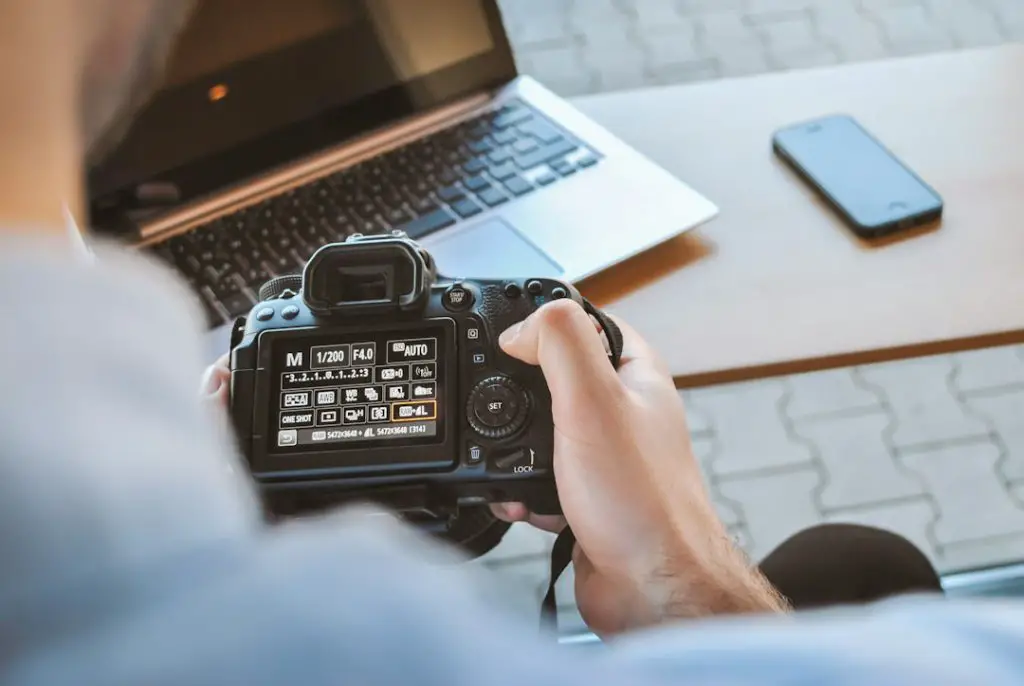
Many indie films now use compact cinema cameras or mirrorless bodies. Good options include the Blackmagic Pocket Cinema Camera 6K, Sony FX3, Canon EOS R series, and Panasonic Lumix GH series. Good glass matters. So does knowing when to stop chasing “cinematic” settings and just get the shot in focus.

4. Sound Tools
Bad sound makes an indie film feel amateur fast. A beautiful frame cannot save dialogue that sounds like it was recorded inside a washing machine.
- Zoom F6 or MixPre recorders: Good field options for small crews.
- Rode NTG, Sennheiser, or Deity microphones: Common indie choices.
- Lavalier microphones: Useful for dialogue-heavy scenes.
- Room tone recordings: Boring on set, priceless in post.
5. Editing, Color, and Sound Post
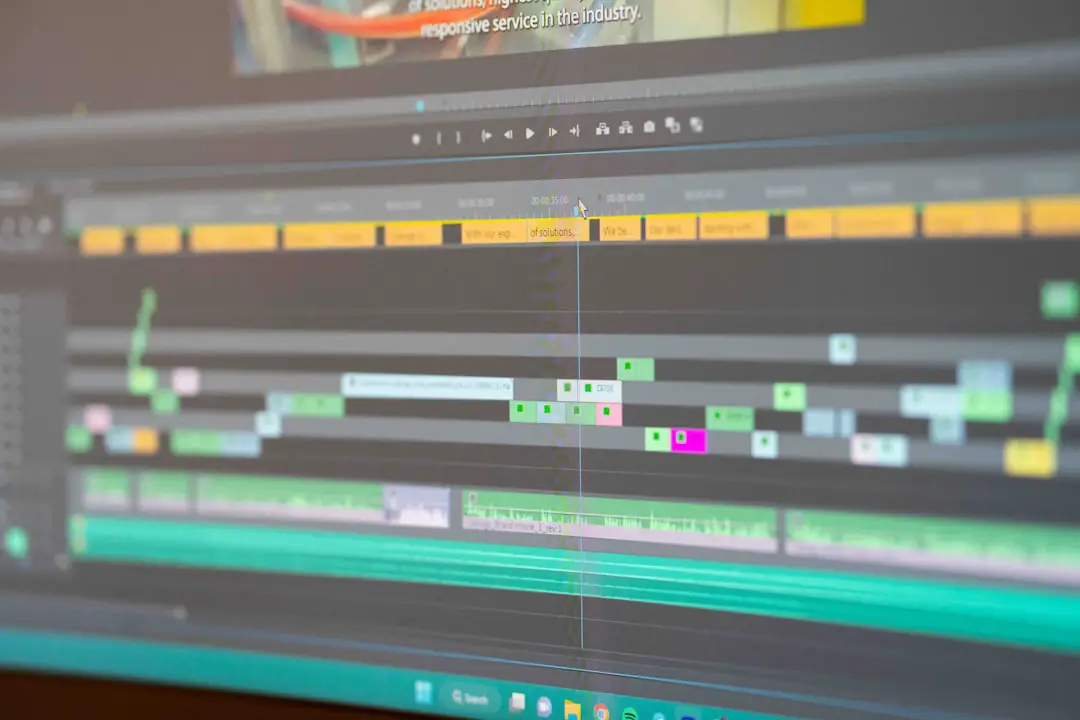
DaVinci Resolve is popular because the free version is powerful. It handles editing, color, sound, and delivery. Adobe Premiere Pro works well across teams, especially when paired with After Effects. Final Cut Pro is fast on Macs. Honestly, it feels like some apps hide one basic export setting behind six clicks, so assistants should test the workflow before the edit begins.
Why Indie Films Matter
Indie films give new voices a way in. They can profile a small town, a strange family, a political wound, or a personal fear that a studio would reject. They also train filmmakers to solve problems without endless money.
Still, indie does not mean automatically good. Some films are bold. Some are messy. Some feel undercooked. The best ones make their limits feel intentional. They turn small rooms, short schedules, and unknown actors into a clear point of view.
FAQ
What is the simple definition of an indie film?
An indie film is a movie made outside the main studio system, usually with independent funding and more creative control for the filmmakers.
Does an indie film have to be low budget?
No. Many are low budget, but not all. The key factor is independent production, not a specific dollar amount.
Can an indie film be released by a major company?
Yes. A film can be made independently and later bought or distributed by a larger company.
What is the best genre for a first indie film?
Horror, drama, thriller, and documentary often work well because they can be made with limited locations and smaller casts.
What tools does an indie filmmaker need first?
A solid script tool, a realistic budget sheet, dependable sound gear, a camera that fits the project, and editing software are the basics.
Are indie films only for festivals?
No. Festivals help with attention, but indie films can also reach audiences through streaming, direct sales, community screenings, and limited theatrical runs.