
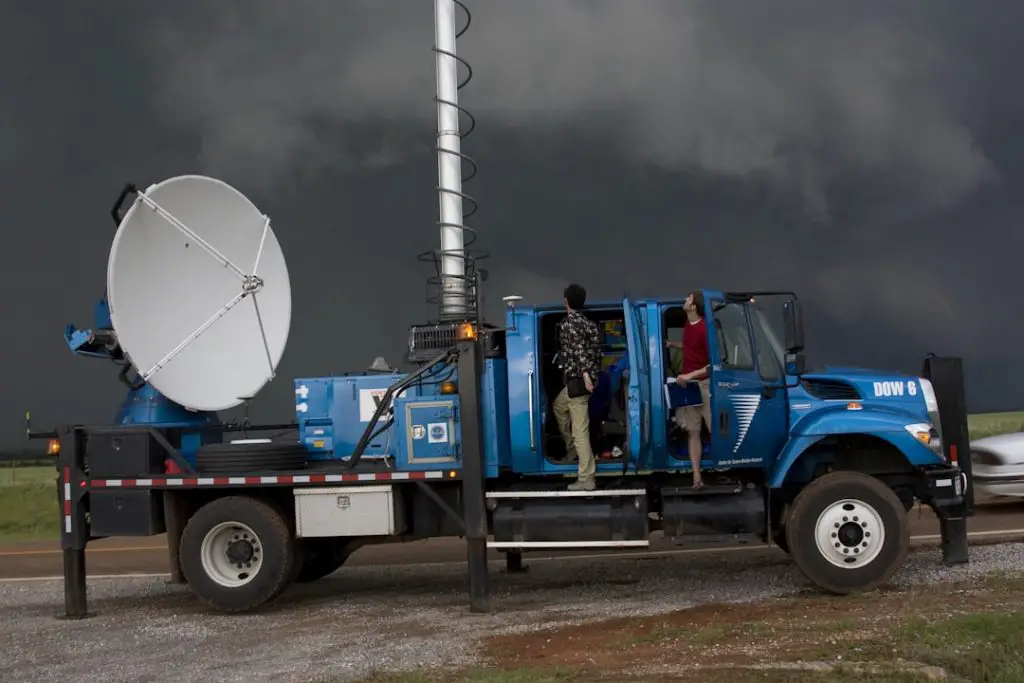
Storms are among the most powerful and unpredictable forces in nature, and tracking them accurately is essential for public safety, research, and disaster management. In recent years, Storm Search has emerged as a term used to describe advanced storm-tracking technologies and systems that help people monitor, analyze, and predict severe weather events in real time. From meteorologists to emergency responders and everyday citizens, many rely on these systems to stay informed and prepared.
TLDR: Storm Search refers to modern tools and platforms designed to track, analyze, and predict storm activity using satellite data, radar systems, and advanced forecasting models. It helps meteorologists, emergency services, and the public stay informed about severe weather conditions. By combining real-time data with predictive analytics, Storm Search improves safety and response times. Its applications range from personal weather alerts to climate research and disaster management.
Understanding Storm Search
Storm Search is a broad term used to describe systems and technologies that locate, track, and analyze storm systems. These tools aggregate data from multiple sources, including:
- Weather satellites
- Doppler radar systems
- Ground-based weather stations
- Ocean buoys
- Atmospheric sensors
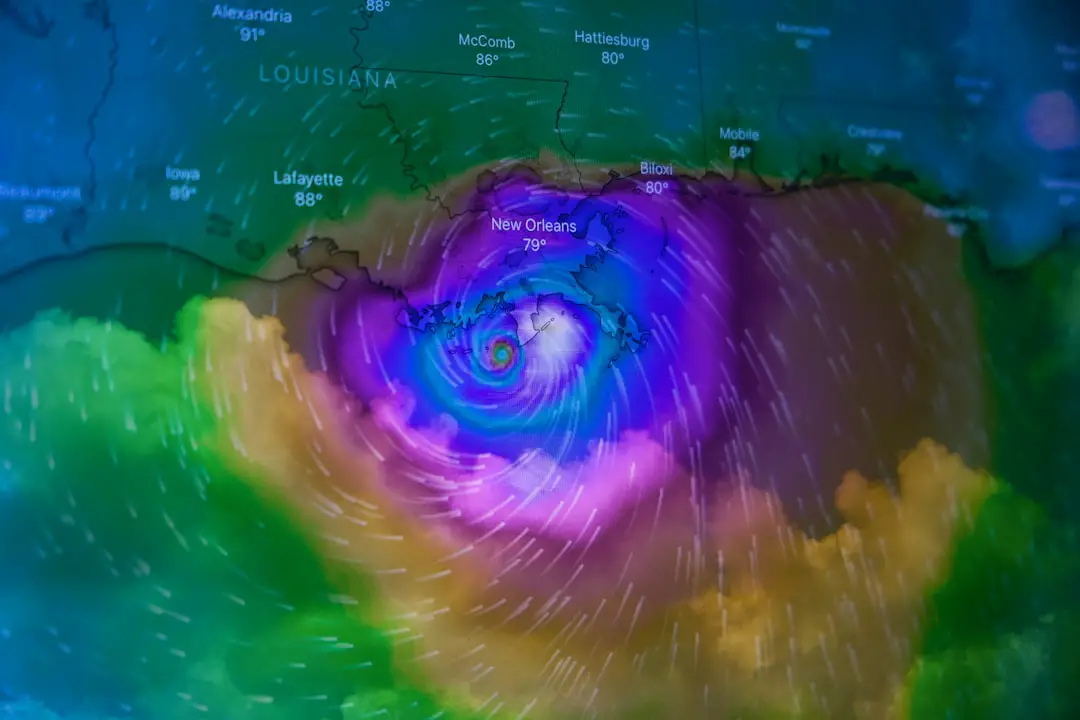
By combining these inputs, Storm Search platforms create detailed visualizations and forecasts that show a storm’s formation, intensity, movement, and potential impact areas. These systems are essential for hurricanes, tornadoes, thunderstorms, blizzards, and tropical cyclones.

How Storm Search Works
Storm Search systems operate through a layered process that integrates data gathering, processing, modeling, and visualization.
1. Data Collection
Information is gathered from radar pulses, satellite imagery, temperature sensors, humidity monitors, wind gauges, and barometric pressure readings. This raw data forms the backbone of storm analysis.
2. Data Processing
Advanced computer systems analyze and filter incoming data to remove inconsistencies. Algorithms identify patterns such as rotation signatures in thunderstorms or pressure drops in tropical systems.
3. Predictive Modeling
Meteorologists use numerical weather prediction (NWP) models to simulate atmospheric conditions. These models estimate a storm’s future track, intensity changes, and potential hazards.
4. Visualization and Alerts
The analyzed data is converted into interactive maps, charts, and warning notifications. This makes complex meteorological information easier for users to understand and act upon.
Key Components of Storm Search Technology
Storm Search relies on several critical technologies that work together seamlessly:
- Doppler Radar: Detects precipitation intensity and wind movement within storms.
- Geostationary Satellites: Provide continuous monitoring of weather systems across large areas.
- Machine Learning Algorithms: Improve forecast accuracy by analyzing historical storm data.
- Geographic Information Systems (GIS): Help map storm paths and impact zones.
Why Storm Search Is Important
The importance of Storm Search cannot be overstated. Severe weather poses risks to life, property, infrastructure, and economies. Accurate storm tracking provides:
- Early Warnings: Allowing communities to prepare and evacuate if necessary.
- Disaster Preparedness: Helping authorities allocate resources efficiently.
- Aviation Safety: Assisting pilots and air traffic controllers in avoiding hazardous conditions.
- Marine Navigation: Guiding ships away from dangerous weather systems.
- Insurance Risk Assessment: Supporting companies in predicting potential losses.
By delivering timely and precise information, Storm Search systems reduce casualties, minimize property damage, and support faster recovery efforts after major weather events.
Applications Across Different Sectors
Public Safety and Emergency Management
Emergency managers rely heavily on storm-tracking data to issue evacuation orders and coordinate response teams. Accurate projections of storm surges, flood risks, and wind intensity can save thousands of lives.
Agriculture
Farmers use storm forecasts to protect crops and livestock. Anticipating heavy rainfall or hail enables preventive measures that reduce financial losses.
Energy Sector
Utility companies monitor storms to prepare for potential power outages. Real-time search systems allow faster deployment of repair crews after a storm passes.
Research and Climate Science
Researchers analyze storm data to understand long-term climate trends. Studying changes in storm frequency and severity provides insight into broader environmental shifts.
Benefits of Modern Storm Search Systems
Technological advancements have significantly enhanced the effectiveness of storm monitoring. The main advantages include:
- Real-Time Updates: Continuous monitoring ensures that forecasts remain current.
- Higher Accuracy: Machine learning improves the reliability of predictions.
- User Accessibility: Mobile apps and web platforms make information widely available.
- Custom Alerts: Personalized notifications based on location and risk level.

Limitations and Challenges
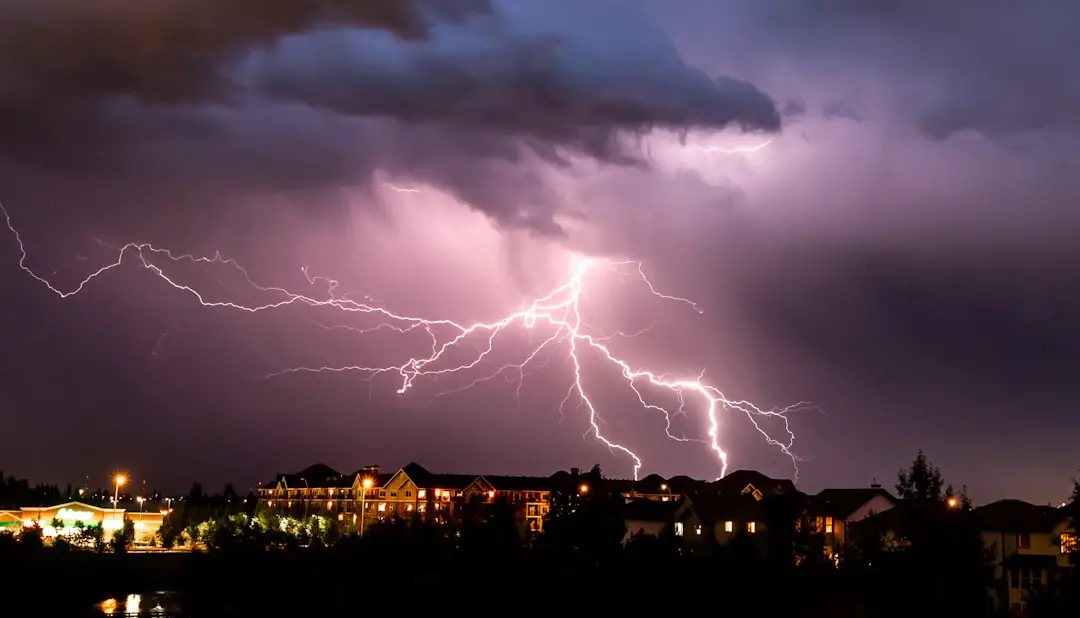
Despite its advancements, Storm Search technology still faces several challenges:
- Data Gaps: Remote regions may lack sufficient monitoring stations.
- Model Uncertainty: Small atmospheric changes can drastically alter storm paths.
- Infrastructure Vulnerability: Severe storms may disrupt data transmission systems.
- Public Misinterpretation: Complex forecasts can sometimes lead to confusion.
Continuous research and investment aim to overcome these obstacles by improving sensor networks and refining predictive algorithms.
The Role of Artificial Intelligence in Storm Search
Artificial intelligence (AI) plays a growing role in storm tracking. Machine learning models analyze vast historical datasets to identify subtle patterns humans might overlook. These systems can:
- Predict rapid intensification of hurricanes
- Identify tornado formation signatures earlier
- Optimize evacuation route planning
- Enhance precipitation forecasts
AI-driven solutions continue to push the boundaries of forecasting precision, offering new hope for reducing storm-related disasters.
How the Public Can Use Storm Search Tools
Individuals can benefit from Storm Search technologies in several practical ways:
- Tracking approaching storms in real time
- Receiving automated severe weather alerts
- Monitoring radar images before travel
- Planning outdoor events safely
By staying informed and understanding basic forecast indicators, individuals can make proactive decisions that enhance safety and preparedness.
The Future of Storm Search
The future of storm tracking lies in further integration of satellite networks, AI analytics, and high-speed communication systems. Upcoming advancements may include:
- Hyper-Localized Forecasting: Street-level weather predictions.
- Improved Hurricane Modeling: More accurate landfall timing estimates.
- Expanded Sensor Coverage: Increased monitoring in underserved regions.
- Global Data Collaboration: Shared databases between countries.
As climate dynamics evolve, the need for innovative storm monitoring systems will continue to grow. Storm Search represents a critical component in adapting to an increasingly unpredictable weather environment.
Frequently Asked Questions (FAQ)
1. What does Storm Search mean?
Storm Search refers to systems and tools used to locate, monitor, and predict severe weather events using satellite, radar, and data modeling technologies.
2. Is Storm Search the same as a weather forecast?
Not exactly. While forecasting is part of it, Storm Search specifically focuses on tracking active storm systems and analyzing their development and potential impact.
3. Who uses Storm Search technology?
Meteorologists, emergency responders, aviation professionals, marine operators, researchers, and the general public use storm tracking systems.
4. How accurate are Storm Search predictions?
Accuracy has significantly improved with modern technology, but forecasting still involves some uncertainty due to the complex nature of atmospheric systems.
5. Can individuals access Storm Search tools?
Yes. Many weather platforms and mobile applications provide real-time radar maps and severe weather alerts powered by storm tracking technologies.
6. Does artificial intelligence improve storm tracking?
Yes. AI enhances prediction accuracy by analyzing vast historical and real-time datasets to detect patterns and trends that inform forecasting models.
Storm Search continues to evolve as technology advances, offering safer communities, improved preparation strategies, and deeper insights into one of nature’s most formidable forces.