
Tablets are everywhere today. But before the iPad ruled coffee tables and Android tablets filled store shelves, there was a curious little device called the Nook Tablet. It looked simple. It felt friendly. And it had one big goal: make reading digital books easy and fun. But what exactly was it? And why was it such a big deal at the time?
TLDR: The Nook Tablet was a reading-focused tablet made by Barnes & Noble. It combined an e-reader with tablet features like apps, video, and web browsing. It was designed mainly for book lovers who wanted more than just black-and-white e-ink screens. While it never beat the iPad, it played an important role in the early tablet revolution.
Let’s break it down in a simple way.
So, What Is the Nook Tablet?
The Nook Tablet was a color touchscreen tablet released by Barnes & Noble in 2011. Yes, the bookstore company. The same place where you buy novels and sip coffee.
This device was designed to compete with:
- Amazon’s Kindle Fire
- Apple’s iPad
- Other early Android tablets
But unlike those devices, the Nook Tablet focused heavily on reading. It was built for bookworms first. Everything else came second.
It ran on a modified version of Android. That meant it could run apps. But it was locked down to mainly use Barnes & Noble’s ecosystem.
In simple terms:
The Nook Tablet was a book lover’s tablet with extra features added on.

The Main Purpose: Reading Made Better
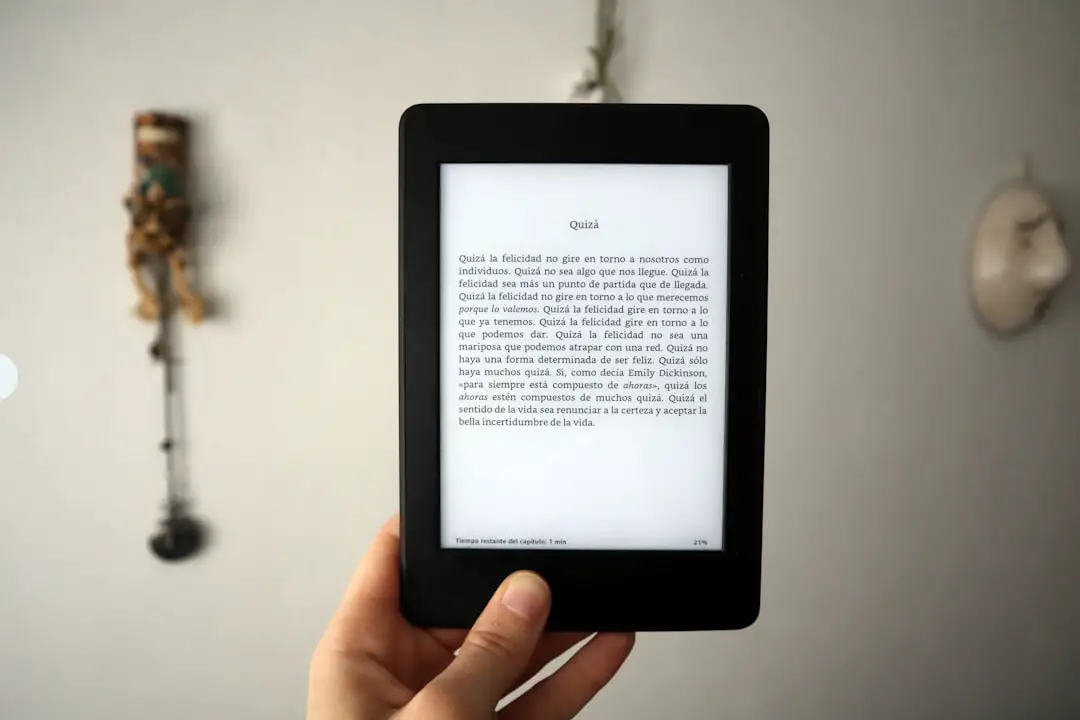
The heart of the Nook Tablet was reading.
Before it, the original Nook used an e-ink display. That looked like real paper. Great for novels. Not great for magazines or comics.
The Nook Tablet changed that by adding:
- 7-inch color LCD screen
- Bright display for magazines and comics
- Touchscreen navigation
- Adjustable font sizes
- Built-in dictionary
This meant you could:
- Read novels
- Browse children’s picture books
- Enjoy full-color magazines
- Zoom into comic books
It made digital reading feel more alive.
Was It Just for Books?
Nope. And that’s where it gets interesting.
The Nook Tablet also offered:
- Movie streaming
- Music playback
- Basic web browsing
- Games and apps
But here’s the catch.
It did not give you full access to the Google Play Store at first. Instead, you used Barnes & Noble’s app store. That meant fewer app choices.
So while it looked like an iPad competitor, it felt more controlled.
Still, for many casual users, it was enough.
Specs Made Simple
Let’s talk hardware. Don’t worry. We’ll keep it simple.
- Screen: 7-inch LCD display
- Resolution: 1024 x 600 pixels
- Processor: Dual-core (fast for its time)
- Storage: 8GB or 16GB
- Expandable storage: Yes, via microSD card
- Battery life: Around 8–11 hours depending on use
At the time, that was impressive for a reading-first tablet.
And unlike some competitors, the Nook Tablet allowed expandable storage. That was a big deal.
How Did It Compare to Other Tablets?
Here’s a simple comparison chart between key competitors at the time:
| Feature | Nook Tablet (2011) | Kindle Fire (2011) | iPad 2 (2011) |
|---|---|---|---|
| Screen Size | 7 inches | 7 inches | 9.7 inches |
| Main Focus | Books and media | Amazon content | General tablet use |
| App Store | B&N store | Amazon Appstore | Apple App Store |
| Expandable Storage | Yes | No | No |
| Price at Launch | Around $249 | Around $199 | $499+ |
You can see the difference.
The iPad was powerful but expensive.
The Kindle Fire was cheaper but locked into Amazon.
The Nook Tablet sat somewhere in between.
Design and Feel
The Nook Tablet had a soft-touch back. It felt comfortable in the hand. Not slippery.
It featured:
- A small “n” home button
- Headphone jack
- MicroSD slot
- Charging port
It was lightweight. Easy to carry in a bag. Perfect for travel.
It didn’t try to look flashy. It looked practical.

Why People Liked It
Many users loved the Nook Tablet for simple reasons.
1. It was cheaper than an iPad.
People wanted tablets. But not everyone wanted to spend $500.
2. It was great for reading.
The screen was sharp and colorful. Books looked beautiful.
3. Expandable storage.
You could add more space easily.
4. It felt focused.
It wasn’t trying to do everything. It did books very well.
Why It Struggled
But it wasn’t perfect.
Limited app selection was a major complaint.
People wanted Instagram. More games. More tools.
Also, Barnes & Noble was not a tech giant like Apple or Amazon. It struggled to keep up with software updates and marketing.
Over time, competitors moved faster.
That made it hard for the Nook Tablet to dominate.
Could You Hack It?
Here’s a fun fact.
Tech enthusiasts discovered you could “root” the Nook Tablet. That means unlocking it to install full Android features.
This allowed users to:
- Install Google Play Store
- Add more apps
- Turn it into a more traditional Android tablet
For budget-conscious buyers, this was exciting.
It became a kind of hidden gem for DIY tech fans.
What Happened to the Nook Tablet?
Barnes & Noble continued making Nook devices for several years. But they never became market leaders.
Here’s why:
- Amazon dominated the budget tablet space.
- Apple dominated the premium space.
- Android tablets expanded rapidly.
Nook tablets slowly faded from the spotlight.
Today, the Nook brand mostly focuses again on e-readers rather than full-feature tablets.


Was the Nook Tablet Important?
Yes. Very much so.
Even though it didn’t win the tablet race, it helped shape it.
It showed that:
- Bookstores could enter tech.
- People wanted affordable tablets.
- Reading could blend with multimedia.
It pushed competition. Competition lowers prices. That helped consumers.
In many ways, it was part of the first big tablet experiment wave.
Who Was the Nook Tablet For?
The ideal user was:
- A reader who wanted color
- A student on a budget
- A casual tablet user
- A parent buying a first device for a child
It was not designed for power users.
No heavy video editing.
No intense gaming.
No multitasking like modern tablets.
It was simple. Focused. Friendly.
Would It Still Be Good Today?
By modern standards?
Not really.
Today’s tablets are:
- Faster
- Sharper
- More powerful
- Loaded with millions of apps
But as a piece of tech history? It’s fascinating.
It represents a time when companies were experimenting. When no one knew what the “perfect tablet” looked like yet.
Final Thoughts
The Nook Tablet was a bold move by a bookstore giant trying to enter the digital age.
It blended books and technology. It made reading colorful. It gave budget shoppers an option.
It wasn’t the strongest tablet.
It wasn’t the most popular.
But it was meaningful.
Sometimes, products don’t need to win to matter.
The Nook Tablet helped push the tablet market forward. It brought digital reading closer to everyday people. And for a while, it offered a cozy, book-first alternative in a rapidly changing tech world.
In short: The Nook Tablet was a reading-friendly tablet with multimedia extras. It may not have ruled the world. But it carved out its own small, important chapter in tech history.