
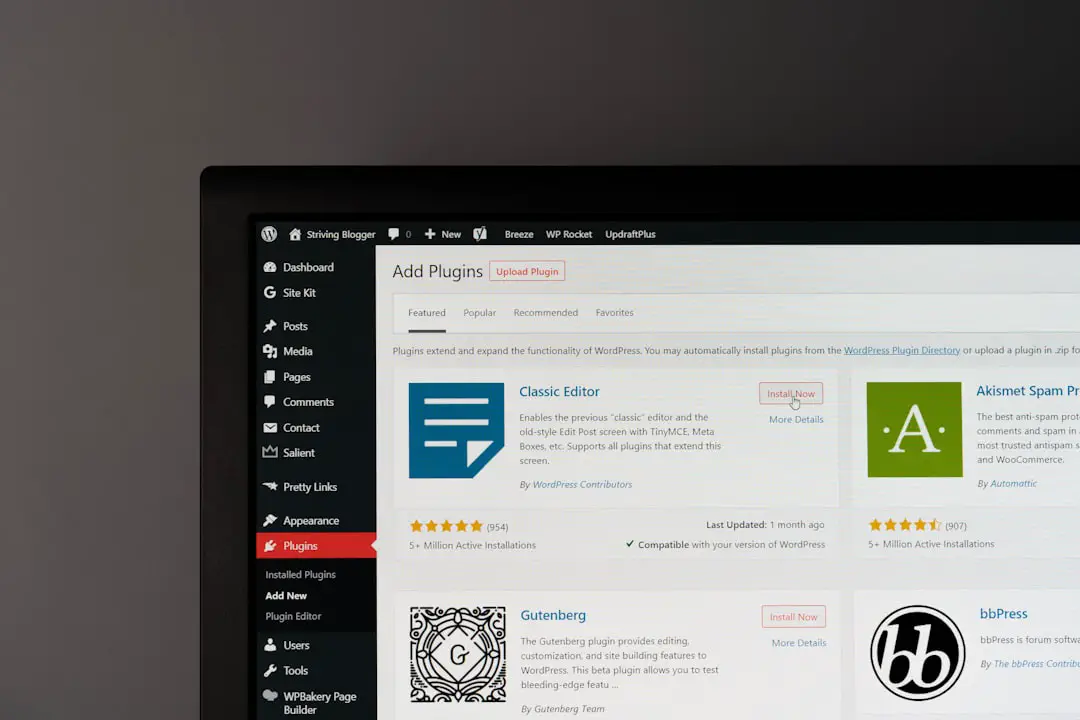
WordPress 6.7 should be treated as a completed November 2024 core release, not a November 2025 launch; if your roadmap says otherwise, fix the date first. For teams reviewing it in November 2025, the practical question is not “what is coming,” but “what did we miss, what needs cleanup, and what should we build on now?”
TLDR: WordPress 6.7 introduced a new default theme, better block editing workflows, stronger design controls, and developer updates around APIs, performance, and extensibility. A small agency managing 40 client sites might find that 25% still need theme or plugin checks before moving past older builds, especially if custom blocks are in use. For example, a publisher using reusable patterns can cut editing time by several minutes per article with the improved Zoom Out and pattern-focused editing flow.
Release status and date correction
WordPress 6.7, named “Rollins”, was released on November 12, 2024. That matters. Calling it a November 2025 release can create bad planning, wrong compatibility notes, and messy client reports.
By November 2025, WordPress 6.7 should already be part of your maintenance history. Sites still sitting below it need review. Sites already above it should use 6.7 as a reference point for theme behavior, editor changes, and API support.
The catch is that WordPress version planning still gets sloppy in real projects. A wrong date in a ticket can send a developer hunting for non-existent release notes for 20 minutes. That is not harmless. It slows audits and creates confusion during security reviews.
Core focus of WordPress 6.7
WordPress 6.7 continued the shift toward a block-first editing model. It did not arrive as a flashy rewrite. It refined the editing process, expanded design controls, and gave developers better ways to connect custom data with the editor.
The main areas were:
- New default theme: Twenty Twenty-Five.
- Improved editing flow: especially through Zoom Out and pattern-level work.
- Better media handling: including support improvements for modern image formats.
- Block and theme development updates: with stronger APIs and cleaner extensibility.
- Performance work: aimed at loading, images, and editor behavior.
Twenty Twenty-Five theme
The most visible change was Twenty Twenty-Five, the default theme bundled with WordPress 6.7. It was built for full site editing and pattern-heavy site creation.
The theme focused on common publishing needs. Blogs, portfolios, small business sites, photo-led pages, and personal publishing all fit its structure. It shipped with multiple style variations and ready-made patterns, so users could assemble pages without starting from a blank canvas.
This was useful, but not magic. Honestly, it feels like many users still expect a default theme to behave like a finished custom design. It does not. Twenty Twenty-Five gives a solid base. Agencies and site owners still need brand work, spacing checks, accessibility testing, and content planning.
Zoom Out and pattern editing
Zoom Out was one of the more practical editor changes in WordPress 6.7. It helped users work at the pattern and section level instead of clicking through individual blocks one by one.
This matters for real editorial teams. A marketer building a landing page can move whole sections faster. A site owner can compare page structure without getting lost inside nested groups. A designer can adjust layout flow with less friction.
Expect a learning curve, though. If a team has used the classic editor for years, the first week can feel slower. Simple edits may take 5 to 10 seconds longer until users understand where controls live. After training, section-based editing often pays that time back.
Block editor improvements
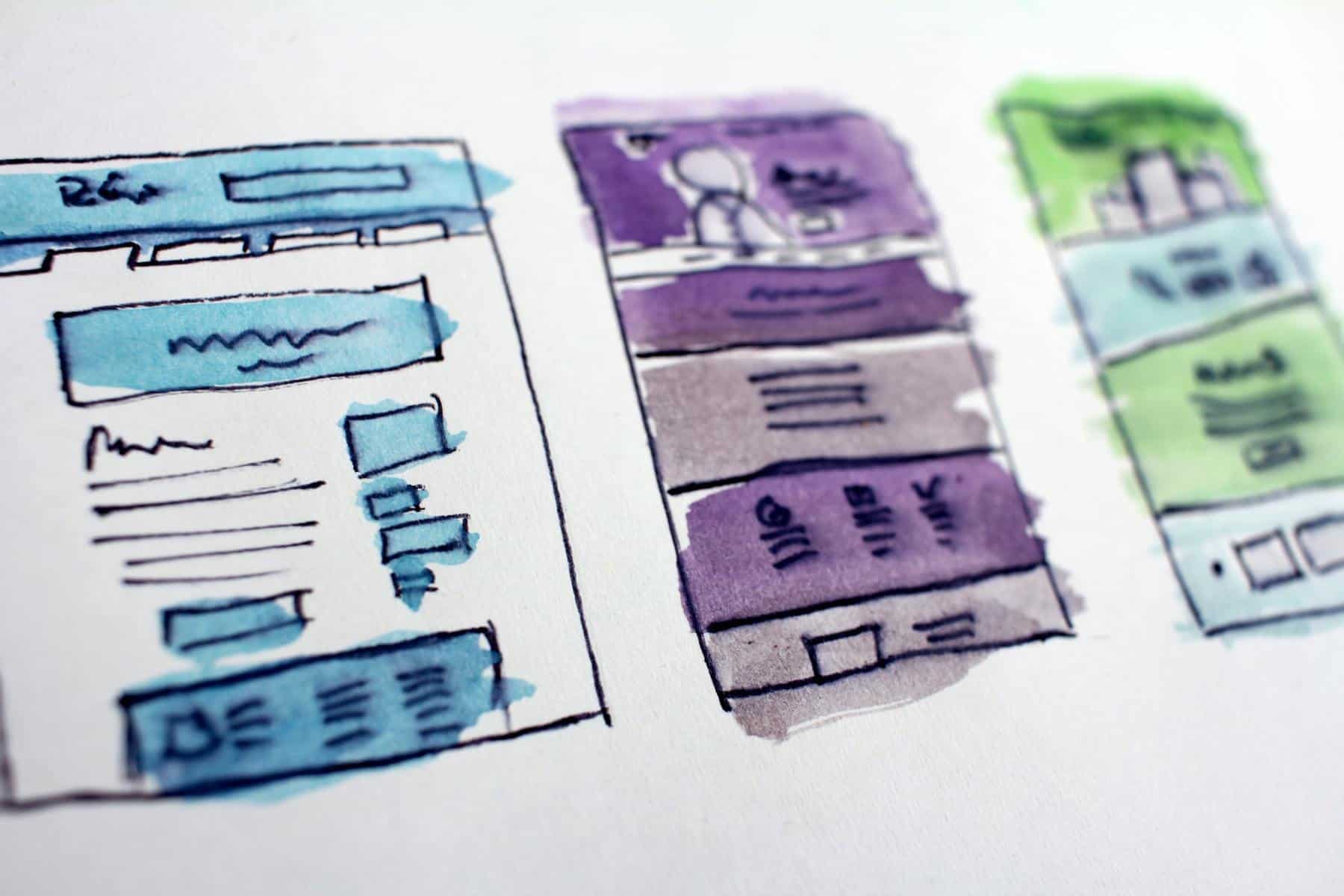
WordPress 6.7 improved the block editor in smaller but meaningful ways. The release polished UI behavior, refined block controls, and continued the move toward patterns as a core building unit.
For content teams, the useful gains were mostly practical:
- Cleaner pattern handling for building repeatable page sections.
- More consistent style controls across supported blocks.
- Better editing context when working with templates and site parts.
- Reduced friction when switching between content and design tasks.
The result was not a perfect editor. Complex nested blocks can still be annoying. Selecting the right container inside a layout may take extra clicks. This is where good naming, clear patterns, and editor training make a real difference.
Media and performance updates
WordPress 6.7 included media-related improvements that helped modern publishing workflows. One notable area was better handling for newer image formats, including HEIC support where server conditions allow it.
That is useful for teams receiving images from iPhones and modern cameras. Instead of forcing every contributor to convert files manually, WordPress can do more of the work when the hosting setup supports it.
Image loading also received attention. WordPress has been improving how it handles image attributes, lazy loading, and browser hints across recent releases. In 6.7, those efforts continued, with changes intended to help pages load more efficiently.
Site owners should still test. Do not assume every performance issue is solved by core. A homepage with 18 oversized hero images will still be slow. Compress images, use sensible dimensions, and check real metrics such as Largest Contentful Paint and Cumulative Layout Shift.
Developer updates and APIs
For developers, WordPress 6.7 was mainly about steady progress. It refined tools that support modern block themes and custom editor experiences.
Key areas included:
- Block Bindings API improvements: making it easier to connect block content with custom fields or other data sources.
- Template registration work: giving developers cleaner ways to define templates in plugins.
- Interactivity API updates: supporting richer front-end behavior without every plugin inventing its own method.
- Script module improvements: helping modern JavaScript patterns fit better inside WordPress.
- Ongoing PHP compatibility work: including preparation for newer PHP versions.
These updates matter most for plugin authors, theme developers, and agencies building custom systems. They reduce the need for brittle workarounds. They also make it easier to build features that feel native inside the editor.
Still, test custom blocks carefully. A block that worked in 6.5 may behave differently after editor updates, especially if it relies on private APIs or assumptions about markup. Private APIs are not a contract. Treat them as risky.
Security and maintenance planning
WordPress 6.7 was not only about features. Like every major WordPress release, it formed part of a wider maintenance cycle. Security fixes often arrive through later minor releases, so staying on the latest available branch is the safer choice.
For November 2025 audits, teams should check:
- Current WordPress version against the latest stable release.
- Theme compatibility, especially for block themes and custom templates.
- Plugin status, including abandoned plugins with no recent updates.
- PHP version on the hosting server.
- Editor training needs for staff using patterns and templates.
A safe update process is simple: back up the site, test on staging, review key pages, update plugins and themes, then update core. After that, check forms, checkout flows, search, menus, and any custom post types.
Who benefits most from WordPress 6.7?
Publishers benefit from improved editing structure and patterns. Agencies benefit from cleaner theme building and reusable design systems. Developers benefit from API progress, especially around blocks and interactivity.
Small business owners also get value, but only if their theme supports modern editing. A classic theme site may see fewer visible changes. A block theme site will show more of what 6.7 was built to improve.
Bottom line
WordPress 6.7 was a serious release with practical gains, especially for block themes, pattern-based editing, media handling, and developer workflows. The November 2025 framing should be corrected, because the release shipped in November 2024. By late 2025, your job is to verify adoption, clean up compatibility issues, and make sure your site is not stuck behind the current WordPress baseline.