

In today’s digital-first real estate market, exposure is everything. A property that appears in more places—across home search websites, brokerage sites, and agent pages—has a significantly higher chance of reaching qualified buyers. This is where real estate listing syndication platforms like ListHub play a transformative role. These systems act as powerful distribution engines, taking a single property listing and broadcasting it across dozens or even hundreds of real estate portals with speed and accuracy.
TLDR: Real estate listing syndication platforms distribute property listings from MLS databases or brokerages to multiple consumer-facing websites. Platforms like ListHub streamline distribution, improve visibility, and provide analytics for performance tracking. They save time, enhance marketing reach, and ensure listing accuracy across channels. For brokers and agents, syndication is a critical tool for maximizing exposure and staying competitive in a digital marketplace.
What Is Real Estate Listing Syndication?
Listing syndication refers to the automated process of distributing property data from a central source—typically a Multiple Listing Service (MLS)—to third-party real estate websites. Instead of manually uploading the same property details to multiple platforms, agents can rely on syndication services to handle everything at once.
Think of it as a content distribution network for home listings. Once an agent submits a listing to the MLS, syndication platforms like ListHub send that data to:
- Major property portals
- Brokerage and franchise websites
- Local real estate platforms
- Niche real estate portals
- International listing websites
This ensures consistency, efficiency, and maximum reach without repetitive manual effort.
How Platforms Like ListHub Work
At its core, a syndication platform serves as an intermediary between the MLS (or brokerage) and consumer-facing real estate websites. Here’s a simplified breakdown of how the process works:
- Listing Creation: An agent enters a new property listing into the MLS.
- Data Aggregation: The syndication platform pulls listing data from the MLS.
- Distribution Selection: Brokers or agents choose which publisher sites will receive the listing.
- Automated Distribution: The listing is sent to selected websites in a standardized format.
- Performance Tracking: The platform provides analytics on views, engagement, and traffic sources.
The key advantage lies in automation combined with control. Brokers can often decide whether to distribute to all available portals or only select ones, helping maintain brand alignment and strategic positioning.
Key Benefits of Listing Syndication Platforms
1. Maximum Market Exposure
In real estate, visibility directly impacts opportunity. Syndicated listings appear across high-traffic websites where buyers actively search for homes. Instead of relying solely on one brokerage website, agents gain multiplied exposure across numerous platforms.
More exposure can translate to:
- Increased buyer inquiries
- Faster sales cycles
- Potentially stronger offers due to competitive visibility
2. Time-Saving Efficiency
Without syndication, agents would need to manually upload property details, photos, and descriptions to multiple sites. This process is not only time-consuming but also prone to error.
With automated distribution:
- Updates to pricing are pushed automatically.
- Status changes (e.g., pending or sold) synchronize quickly.
- Photo updates appear consistently across portals.
This reduces administrative workload and allows agents to focus on client relationships and negotiations.
3. Data Accuracy and Consistency
Inconsistent listing data can confuse buyers and damage credibility. Syndication platforms maintain a single source of truth—typically the MLS—so information remains uniform across all channels.
Accuracy matters for:
- Pricing integrity
- Property specifications
- Square footage details
- Room counts and amenities
Automatic updates ensure buyers receive the latest information, minimizing misunderstandings.
4. Detailed Analytics and Reporting
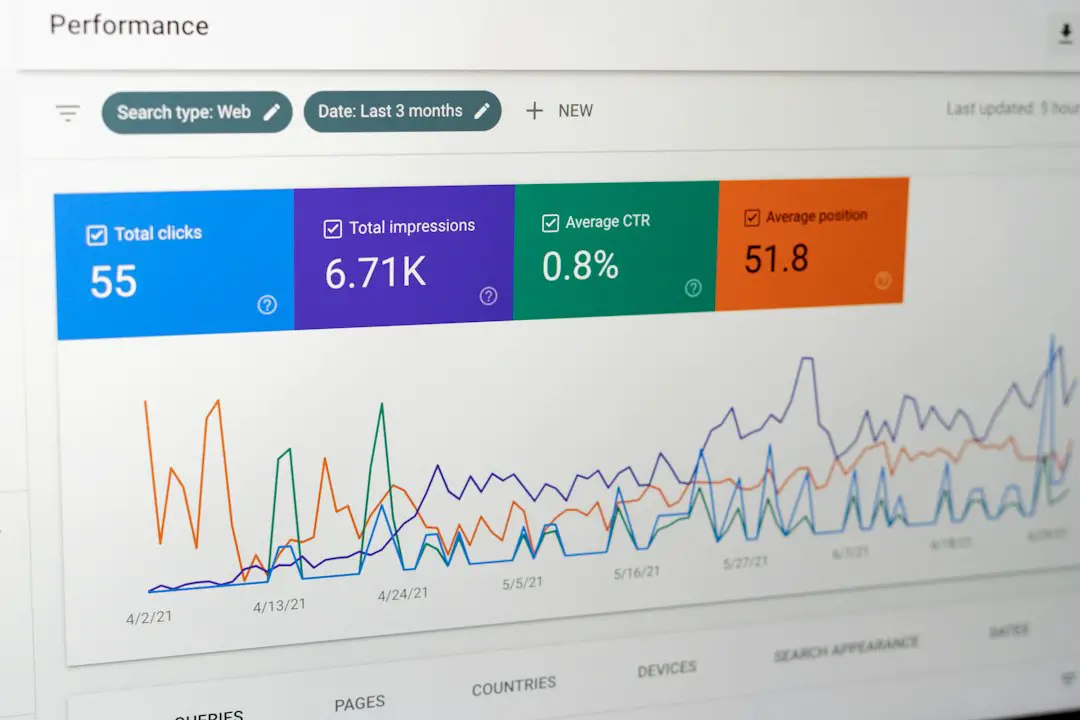
One of the standout features of platforms like ListHub is the access to performance data. Brokers and agents can view reports on:
- Number of listing views by portal
- Engagement trends over time
- Comparative performance across listings
- Lead source tracking
This intelligence allows agents to refine marketing strategies. If one portal consistently outperforms others, it may deserve a stronger focus.

Control and Customization in Distribution
Early syndication models distributed listings broadly with minimal agent input. Modern platforms now prioritize broker control. This evolution addresses concerns around brand consistency, data privacy, and competitive positioning.
Common customization features include:
- Opt-in or opt-out controls for specific publishers
- Broker-level brand attribution preferences
- Lead routing to designated contacts
- Display customization for photos and description fields
This flexibility is particularly important for brokerages that want to maintain a strong brand identity while still leveraging broad exposure.
Challenges and Considerations
While syndication offers substantial advantages, it is not without challenges. Understanding potential limitations helps brokers use these platforms strategically.
Lead Ownership and Routing
Some listing portals may capture buyer inquiries and route them through their own systems. Brokers should carefully evaluate how leads are forwarded and whether response times are optimized for conversion.
Outdated Information Risks
Although systems aim for real-time updates, occasional delays can occur. An outdated “active” listing that has already sold may frustrate buyers. Regular monitoring remains essential.
Overexposure Concerns
In certain markets, excessive duplication across portals could diminish a sense of exclusivity. Luxury listings, in particular, may benefit from selective syndication rather than broad distribution.
Beyond ListHub: The Syndication Ecosystem
While ListHub is widely recognized, it operates within a larger ecosystem of distribution technologies. MLS organizations may have direct feeds to major portals. Some brokerages employ proprietary syndication systems. Others use third-party marketing tools integrated with CRM systems.
This evolving landscape reflects a central truth: distribution technology is becoming more integrated, data-driven, and strategic.

The Role of Syndication in Digital Marketing Strategy
Syndication should not be viewed as a standalone solution. Instead, it is one component of a comprehensive digital marketing approach that includes:
- Professional photography and virtual tours
- Compelling listing descriptions
- Social media advertising
- Email campaigns
- Local search engine optimization
High-quality content enhances the effectiveness of syndication. After all, broader distribution only works if the listing itself attracts attention and inspires action.
Best Practices for Agents and Brokers
To maximize the impact of syndication platforms like ListHub, consider these best practices:
- Craft detailed and compelling descriptions. Rich content stands out across portals.
- Use high-resolution imagery. Professional photography increases click-through rates.
- Monitor performance reports regularly. Adjust distribution strategies based on data.
- Respond to inquiries promptly. Speed remains a critical conversion factor.
- Review publisher agreements. Understand how your data is displayed and shared.
Strategic use of analytics can transform syndication from a passive tool into a powerful competitive advantage.
The Future of Real Estate Listing Distribution
As technology continues to advance, listing syndication platforms are likely to evolve in several ways:
- Enhanced data standardization: Improved MLS data consistency across regions.
- Artificial intelligence insights: Predictive analytics to optimize listing performance.
- Greater personalization: Tailored listing displays based on user behavior.
- Integration with transaction management systems: Seamless workflow from listing to closing.
Buyers increasingly expect seamless digital experiences. They begin searches on mobile devices, compare homes across multiple tabs, and request tours within minutes. Syndication platforms ensure properties are present in all the places buyers are already looking.
Why Syndication Remains Essential
The real estate industry thrives on visibility, accuracy, and speed. Listing syndication platforms like ListHub meet all three needs by combining centralized data management with expansive distribution networks.
For agents, the value lies in saved time and expanded reach. For brokers, it’s about brand consistency and analytics-driven insights. And for buyers, it creates a smoother discovery experience with up-to-date information.
In an era where nearly all home searches begin online, the question is no longer whether to use syndication—it’s how effectively it can be leveraged. Understanding how these platforms function and integrating them into a broader digital strategy can mean the difference between a listing that sits quietly and one that commands attention across the marketplace.
Ultimately, listing syndication platforms are not just distribution tools—they are foundational infrastructure for modern real estate marketing.