
Choose SE Ranking if you want the best balance of rank tracking, audits, and cost. Choose Semrush if you need a large marketing suite. Choose Ahrefs if backlinks and content research drive your SEO work. Many pages still get no organic reach; Ahrefs reported that 96.55% of pages get no traffic from Google [source: Ahrefs]. That is why position tracking should not be treated as a nice extra.
TLDR: For most small and mid sized teams, SE Ranking is the most practical pick because it combines daily rankings, site audits, keyword research, and reporting without the heavy price of larger suites. Semrush is better for agencies that also manage PPC, content, and competitor research. Ahrefs is strongest when backlink analysis matters most. For example, a local agency tracking 500 keywords across 12 client locations may save hours each month with SE Ranking reports, while a national ecommerce brand may need Semrush or Ahrefs for deeper research.
What makes a good SEO positioning tool?
An SEO positioning tool should show where your pages rank, why rankings move, and what to fix next. Pretty charts are not enough. You need accurate keyword tracking, clean competitor data, technical audit checks, and reports that a client or manager can read without a translator.
The catch is that many platforms try to do everything. Some do it well. Some bury basic rank tracking under five menus. It drives me crazy that a simple keyword filter can take eight or nine clicks in tools that charge premium prices.
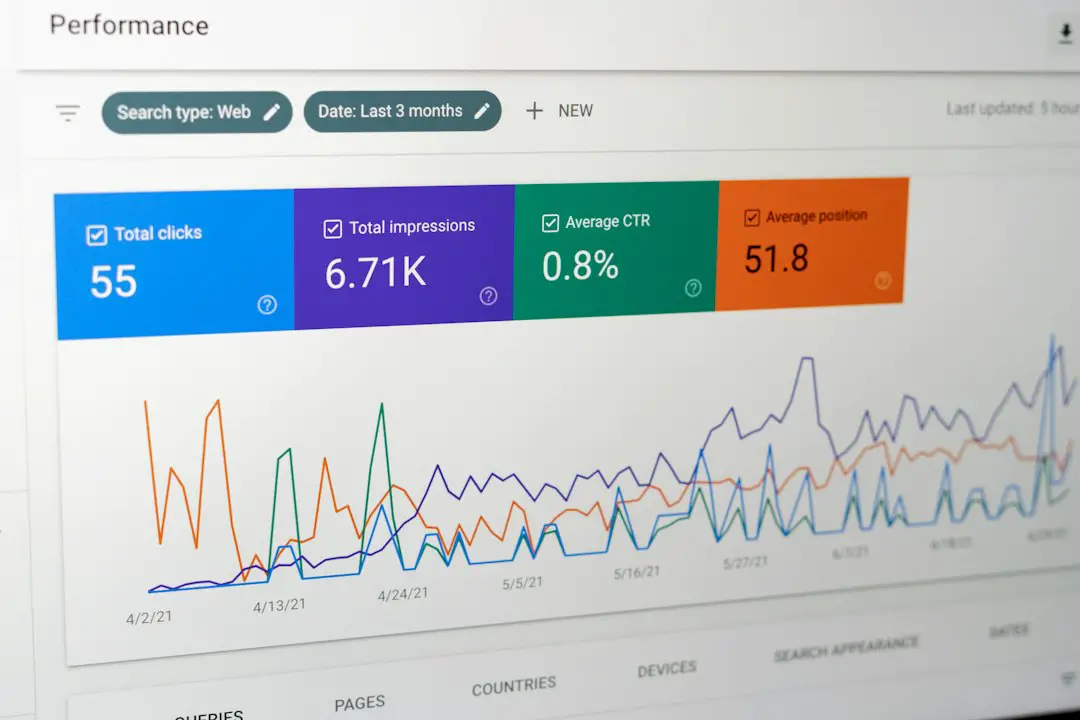
1. SE Ranking
Best for: small businesses, agencies, consultants, and in house teams that need broad SEO coverage at a fair cost.
SE Ranking offers rank tracking, keyword research, competitor analysis, backlink monitoring, site audits, on page checks, and white label reports. Its rank tracker is one of its strongest parts. You can track Google, Bing, Yahoo, YouTube, desktop, mobile, and specific locations.
- Pros: clear interface, strong reports, flexible pricing, useful local tracking.
- Cons: backlink data is not as deep as Ahrefs, and some advanced research tools feel lighter than Semrush.
- Best fit: teams that want one serious SEO platform without paying enterprise level fees.
2. Semrush
Best for: agencies, enterprise teams, and marketers who need SEO plus paid search, content, and market research.
Semrush is huge. It covers rank tracking, keyword research, site audits, backlink checks, content planning, ad research, social tools, and reporting. Its keyword database and competitor tools are very strong. If you manage SEO and paid search together, Semrush makes sense.
- Pros: wide feature set, strong competitor data, good PPC insights, useful content tools.
- Cons: costly, busy interface, and too many tools can slow down simple work.
- Best fit: larger marketing teams that need more than rank tracking.
3. Ahrefs
Best for: backlink research, content gap analysis, and serious competitor research.
Ahrefs has earned its reputation through backlink data. Its Site Explorer is excellent for checking referring domains, broken links, competing pages, and content ideas. Its keyword tools are also strong, though some users may prefer Semrush for broader campaign planning.
- Pros: excellent backlink data, strong content research, clean interface.
- Cons: pricing can sting, and rank tracking limits may feel tight depending on the plan.
- Best fit: SEO teams focused on links, authority, and content opportunities.
4. Moz Pro
Best for: smaller teams that want simple SEO tools and trusted authority metrics.
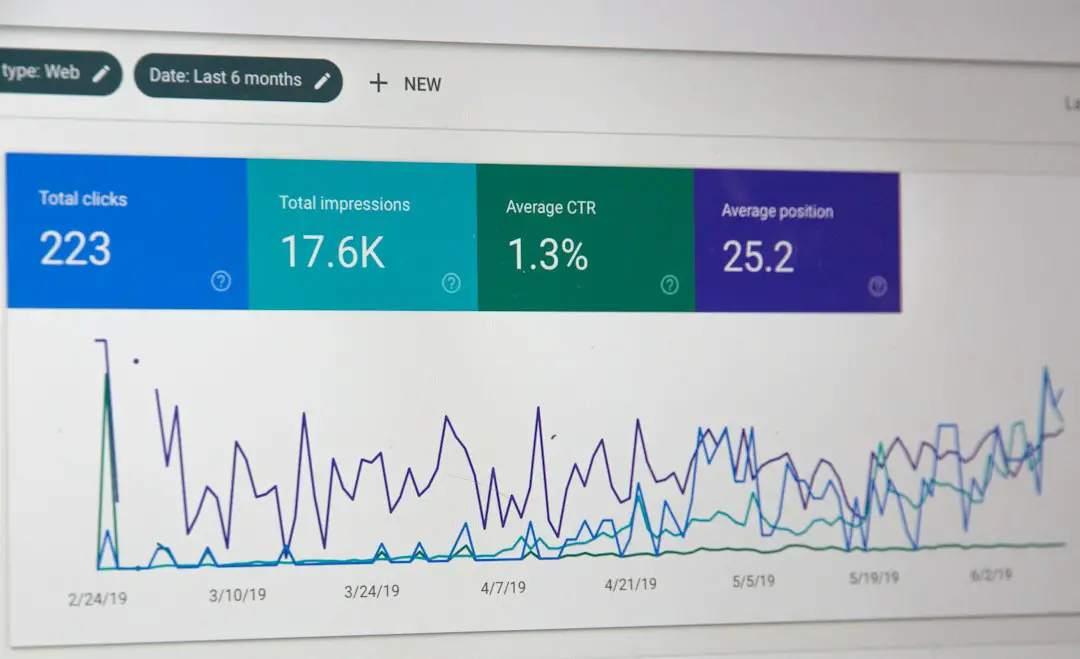
Moz Pro includes keyword tracking, site crawls, page optimization tips, link research, and its well known Domain Authority metric. It is less dense than Semrush or Ahrefs, which can be a benefit for teams that do not need every advanced option.
- Pros: easy to learn, clear metrics, useful for basic SEO workflows.
- Cons: data depth and speed can trail the top tier tools.
- Best fit: teams that want a calmer tool with enough features for steady SEO work.
5. Serpstat
Best for: budget conscious teams that still need keyword research, rank tracking, and audits.
Serpstat is a practical all in one SEO platform. It offers position tracking, competitor research, backlink analysis, clustering, audits, and keyword data. It is not as polished as Semrush, and its data may vary by region. Still, it gives solid value.
- Pros: good price to feature ratio, useful keyword tools, broad SEO coverage.
- Cons: interface can feel uneven, and reports may need cleanup before client use.
- Best fit: freelancers and growing teams watching costs closely.
6. Mangools
Best for: beginners, bloggers, and small business owners.
Mangools includes KWFinder, SERPWatcher, LinkMiner, SiteProfiler, and SERPChecker. It is simple, attractive, and easy to understand. The rank tracker is clean, and the keyword difficulty scores are useful for quick content planning.
- Pros: very user friendly, affordable, good for keyword discovery.
- Cons: limited advanced features, weaker for large agencies.
- Best fit: people who want quick SEO answers without a steep learning curve.
7. AccuRanker
Best for: teams that care most about fast, accurate rank tracking.
AccuRanker is not a full SEO suite in the same way as Semrush or SE Ranking. It focuses on rankings. That focus is its strength. Updates are fast, location tracking is strong, and reporting is built for SEO teams that monitor lots of keywords.
- Pros: excellent rank tracking, fast updates, strong filtering, clean reports.
- Cons: limited keyword research and technical SEO tools.
- Best fit: agencies and SEO teams that already use other tools for audits and research.
Which platform should you choose?
If you need a balanced SEO platform, SE Ranking is the safest first choice. It covers the core jobs well and keeps reporting simple. If your team runs large campaigns across SEO, PPC, and content, Semrush is worth the higher spend. If backlinks guide most of your strategy, Ahrefs is hard to beat.
For lighter needs, Moz Pro and Mangools are easier to adopt. Serpstat suits teams that need many features on a tighter budget. AccuRanker is the specialist pick when ranking accuracy matters more than extra tools.
The best tool is the one your team will actually use every week. Start with the keywords that affect revenue. Track them by device and location. Then use audits and competitor data to fix pages, not just admire charts.